
Rise &Grind
💸 Degree dividends
Good morning and happy Sunday. Forget the computer science lab, because America’s most lucrative degree comes from a math department. According to IRS earnings data (opens in a new tab), Duke math grads earn a median of $297K four years after graduating, followed by Carnegie Mellon computer science at $268K. Across the US, the median for a bachelor’s program is $64.5K, and the payoff for a pricey campus depends heavily on the major. Duke is famous for basketball, but its math department has the real MVPs.
We've got a mixed slate of reads for you today:
- Southwest chasing long-haul dreams: Activist investor stripped the airline, now it’s eyeing international routes
- United poaches rival loyalists: 90 days of elite status if you meet spending requirements before mid-October
- High earners face 401(k) tax twist: Catch-up contributions now forced into Roth for top earners
We've risen. Now, let's grind.
Premium Pivot
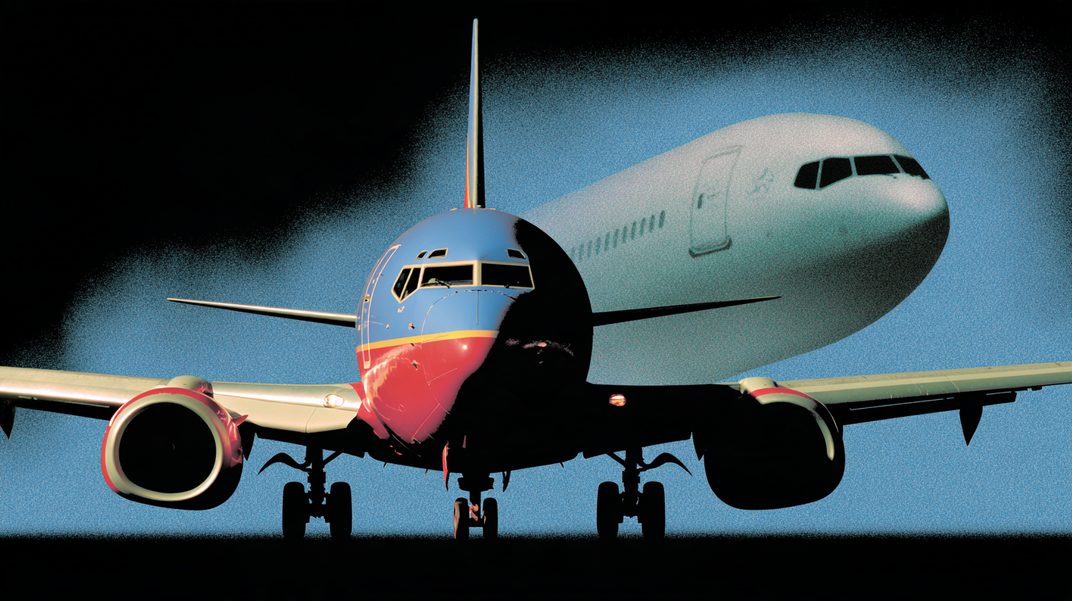
Southwest Has Gotten Everything Wrong With Customers Since Hostile Investor Takeover — But It’s Reading the Tealeaves on its Future
A vulture activist investor descended on Southwest (opens in a new tab) in 2024. By the time it was through with this “company with heart,” it was devoid of everything that made it unique.
Business has boomed, investors have taken their cash to the bank, and its customers have been left with a completely different, inferior experience — we called it Southworst back in June (opens in a new tab).
But while Southwest has lost the free bags, open seating, and never-expiring credits and points, the carrier might be about to offer something genuinely new.
The future is long-haul: We’ve been watching Alaska Airlines (opens in a new tab), which bought Hawaiian Airlines in 2024, embrace international ambitions after decades of operating a 737-heavy fleet as a regional player. Its reason was simple: ‘compete or perish.’ Amid rapid premiumization (opens in a new tab), stiffer network competition, and customers demanding stronger loyalty economics, Alaska introduced its own metal rather than deferring to airline partners. Southwest has clearly felt similar pressures and appears to be looking to follow the West Coast heavyweight.
- Rumors abounded that Southwest would follow in Alaska’s footsteps, but industry writer Enilria first gave the theory legs by reporting that the airline could lease ailing Norse Atlantic 787s (opens in a new tab).
- 15 months later, Reuters reports that Southwest is weighing long-haul international flights with “a fleet of dozens of 787s (opens in a new tab)”, which will likely be done through leases (opens in a new tab) or second-hand purchases since the Boeing 787 is sold through decade-end.
The long arm of airlinedom leans towards owning the journey
Southwest has been wrong about a lot of things, but it likely isn’t wrong about this one thing — it likely can’t contend with other US carriers without a strategy to own more of a customer’s journey. Southwest has long been an airline for leisure travelers, but it’s not seen as a premium player.
- Old Southwest isn’t coming back: The airline has debated how to ‘go premium’, but without plans to introduce airport lounges (opens in a new tab), the future is unclear unless it embraces models already popular with other major airlines.
- Partnerships don’t let you own the journey: Alaska had oneworld and various airline partners, but as Southwest has begun building that infrastructure from scratch, it has likely learned the pitfalls that forced Alaska to fly its own metal.
- Affluents want to go the distance with you: It remains to be seen how Southwest would use a widebody in its strategy, but it’d likely go overseas — and the reason ultimately comes down to owning more of a traveler’s journey.
The biggest misconception is key: Many, especially in travel media, misunderstand that flying has always been a luxury activity. Yes, it has become more accessible, but roughly half of Americans don’t fly at all in any given year. It is expensive, so decisions are guided primarily by the affluent — folks who likely choose Delta or United instead. Without a course correction, that might never change.
Loyalty Play
United Wants Delta and American's Frequent Flyers
United Airlines is coming for Delta and American Airlines loyalists, dangling 90 days of elite status to get them to switch teams. Its secret weapon? Faster in-flight Wi-Fi powered by SpaceX's Starlink. Delta is betting on Amazon's Project Kuiper, while American won't begin its own Starlink rollout until next year. But United isn't handing out VIP treatment for free. Keeping those perks requires spending at least $1.5K on flights, and US residents only have until Oct. 15 to get in. [Read (opens in a new tab)]
Retirement Planning
Uncle Sam Has a New Rule for High-Earning 401(k) Savers
High earners looking to stash extra cash in their 401(k) are in for a tax shake-up. Workers 50 and older who earned over $150K from their plan's employer last year must make catch-up contributions with after-tax Roth dollars. That could mean smaller paychecks today, though qualified withdrawals in retirement will be tax-free. Workers whose plans don't offer Roth contributions could lose the chance to make those extra contributions altogether. Time to check the fine print. [Read (opens in a new tab)]
Chart
Sunday Reads
✈️ Wyndham points now transfer to United at double the miles (opens in a new tab)
☕ Starbucks eyes Chipotle in a potential record restaurant megadeal (opens in a new tab)
💳 Rakuten trims Bank of America Premium bonus (opens in a new tab) to $375 cash back
🔍 UBS screens 56 US stocks (opens in a new tab) where growth trades at a discount
💰 Banks are dangling big sign-up bonuses (opens in a new tab) to win new customers
✈️ Expedia cuts flight rewards (opens in a new tab) to make room for travel perks
🪪 Amex is expanding four Centurion Lounges across the US and UK (opens in a new tab)
🏗️ America's growing backlash against data centers (opens in a new tab) puts stocks at risk
Strategize
America's wealth gap has an investing lesson
The richest Americans have pulled even further ahead. Between 2022 and 2025, the top 10% of earners saw their median net worth climb 31%, compared with just 2% for the typical American family. A big reason was their exposure to the stock market.
Why it matters: The S&P 500 gained 78% over those three years, giving Americans with larger stock portfolios a much bigger boost to their wealth. You don't need a massive portfolio to get started, though. A plan built around your budget and goals can help you invest consistently over time.
Extra Grind