
Low Layoffs Persist Despite AI-Driven Hiring Slowdown
US initial jobless claims fell to 196,000 in mid-September as the Federal Reserve maintains a focus on inflation amid a shifting employment landscape.





Why Municipal Bonds Are Back In The Income Conversation
Muni Yields Now Rival Stocks As Supply Shock Resets Tax Free Income

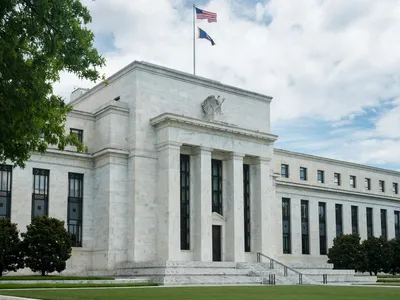

SK Hynix Discusses First US Memory Chip Manufacturing Deal With Intel
Intel and SK Hynix are in early talks regarding a potential memory chip manufacturing deal in the US, aimed at meeting soaring demand for AI-driven memory.


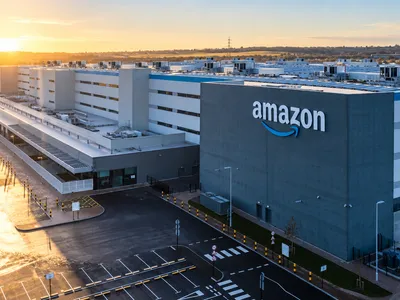

Geopolitical Turmoil Has Cost Americans $107B More at the Pump
Fuel Shock Leaves US Consumers With a $107B Wartime Tab



Musk Rekindles SpaceX-Tesla Merger Speculation
Elon Musk's recent comments have revived speculation about a Tesla-SpaceX merger, raising questions about incentive structures and future AI integration.



Homebuyers Face 7% Mortgages as Housing Recovery Stalls
Mortgage rates are nearing 7%, pressuring the housing market as buyers hesitate and sellers adjust to the rising cost of borrowing.



Treasury Yield Hits 5% as Borrowing Costs Surge
Treasury Yield Hits 5% as Borrowing Costs Squeeze Investors
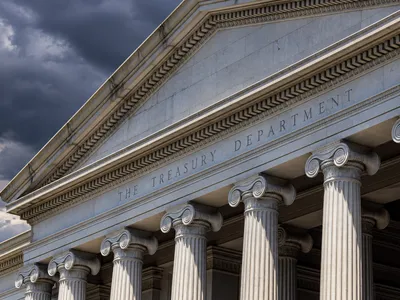



Rising Oil Prices and Debt Pressures Mount Ahead of Fed Rate Hike
Fed Expected to Raise Rates as Inflation Hits 3.4 Percent and Debt Tops 40T



Hot August Inflation Locks in 90% Odds of a Fed Hike
Hotter-than-expected August inflation data pushes Fed hike probability to 90% as tech firms raise prices citing AI memory demand.




Grocery Inflation Creates A Margin Test For Food Stocks
Packaged food companies are testing pricing power as retailers resist passing inflation to shoppers, setting up a crucial margin test for consumer staples.


Uber to Lower Ride Prices Using Layoff Savings
Uber plans to use savings from recent layoffs to lower ride prices, aiming to bolster demand while maintaining service quality amid restructuring.