Alaska Air Is Going Upmarket. New Suites and Premium Economy Arrive in 2028
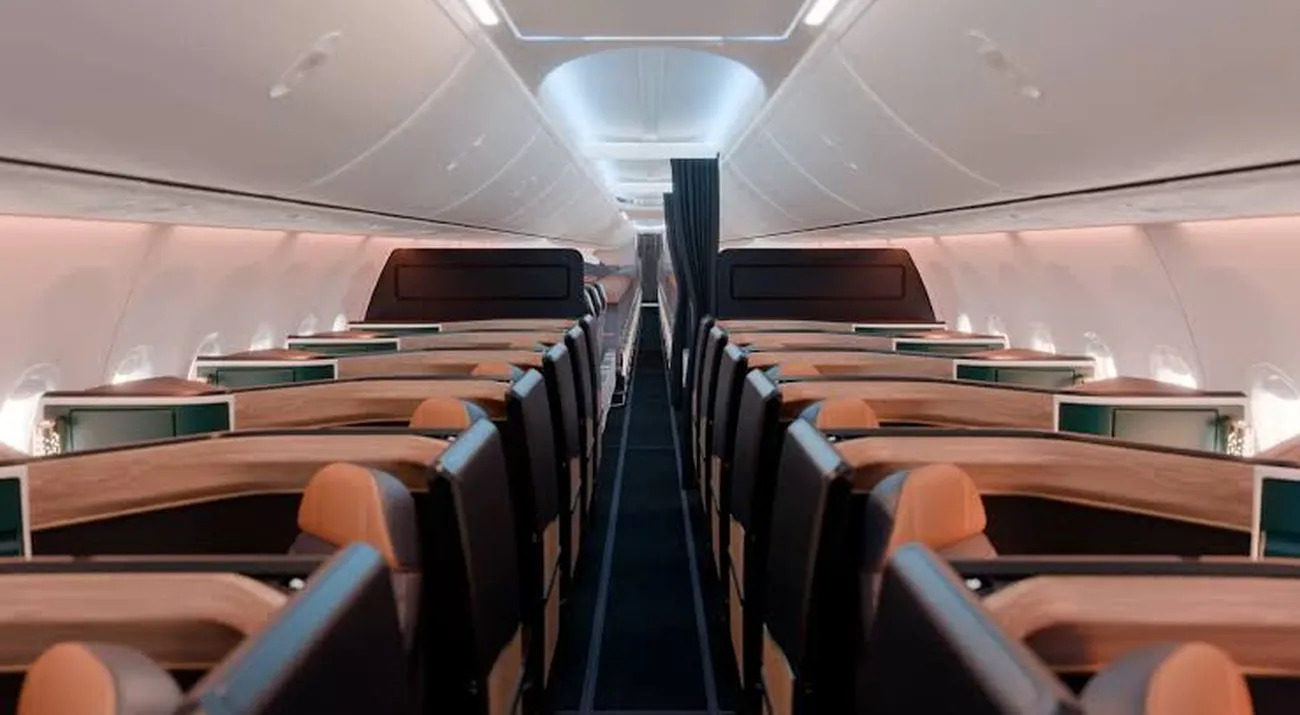
Alaska Air Group is rebuilding the front of its planes around travelers willing to pay more for the trip. The carrier recently unveiled a four-class layout with lie-flat suites and a new premium economy cabin arriving in 2028.
The overhaul will stretch across Alaska Airlines and Hawaiian Airlines, adding more premium seats to widebody aircraft and select Boeing 737-10s. For travelers, it creates another option between the most expensive seats and the rest of the cabin.
What the fourth cabin changes
The new tier is called Premium Reserve, and it sits between first class and Alaska's existing premium seating. It will offer more space, comfort, and amenities than the carrier's current extra-legroom product.
Premium Reserve will roll out across the 787 and A330 fleets and on select 737-10 aircraft, giving Alaska a more premium-heavy cabin on longer flights. The new tier arrives alongside lie-flat suites for both Alaska and Hawaiian.
Alaska's version is branded Aurora, drawing on the carrier's roots across Alaska and the Pacific Northwest. Hawaiian's Leihōkū, meaning "lei of stars," takes its inspiration from early Polynesian navigation.
Both suites feature fully lie-flat seating, direct aisle access, and a 19-inch entertainment screen. The additions give the combined airline a higher-end product as it expands further into long-haul flying.
Where the new seats actually fly
The biggest changes are coming to the widebody fleet. Alaska's 787s will carry 34 Aurora Suites, and Hawaiian's 24 A330s will get 22 Leihōkū Suites each.
Premium Reserve will sit behind those cabins as part of the four-class layout.
The narrowbody rollout brings some of that strategy to domestic flights. Alaska plans to operate at least 25 737-10s with the premium-heavy configuration, targeting transcontinental service from major West Coast markets.
Alaska has 162 of the 737-10 on order and expects deliveries to begin next year, although the new premium cabins won't debut until 2028. On the 787, premium seating will climb from 38% of the cabin to 46%.
That gives Alaska more seats to sell at higher fares while shrinking the share of each aircraft devoted to standard economy. It also puts more weight on the airline's ability to fill those pricier cabins.
Why Alaska is paying for it
Alaska plans to spend more than $600M through 2030 on cabins and airport infrastructure across both airlines. Premium revenue already accounts for 35% of company revenue, and Alaska expects that figure to exceed 40% by 2030.
The new seats are only one part of that push, with a 41,000-square-foot flagship lounge planned for Seattle as well. Together, the premium investments are expected to deliver $800M in revenue and drive most of the company's profit growth.
CFO Shane Tackett said Alaska wants to win back customers who might otherwise choose a legacy carrier.
The investment comes against a tougher financial backdrop after higher fuel prices wiped out Alaska's first-half profit and the carrier pulled its 2026 guidance. Spending more than $600M on premium growth makes the rollout a test of how durable that demand remains.
For travelers, the changes start becoming visible in 2028 as Premium Reserve and the new suites enter service. The 737-10 rollout will bring the four-class setup to transcontinental routes, while the widebody changes support Alaska's growing international network.
The Hawaiian merger closed in 2024, and Alaska has since been pushing deeper into full-service international flying from Seattle. Four cabins, lie-flat suites, and a much larger premium footprint show how far upmarket the combined airline plans to go.

