
FinksDaily
💰 Banking's verdict
Good morning. Your calendar is officially accepting meetings from criminals. Scammers have figured out that people are more likely to trust a meeting invite from a colleague than a suspicious email, so they're booking their way into the workday. In August, calendar-based attacks (opens in a new tab) surged more than tenfold from July, with malicious links showing up in invites without anyone opening an attachment. Some even led to video calls with a deepfaked "IT guy" trying to steal sensitive information. Turns out the meeting that could've been an email might've been safer as one.
Top Idea
LVMH's Recovery Is Stalling. Wall Street Isn't Rushing to Buy Luxury Stocks
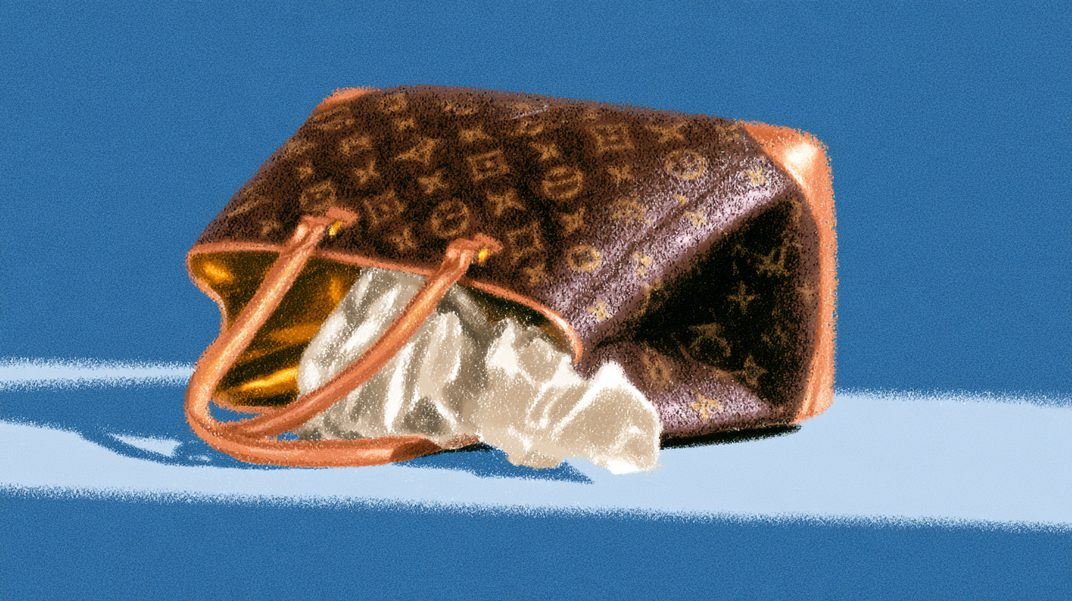
The world's richest shoppers seem to have developed a taste for saving money. LVMH handed investors another reason for patience, with sales growth slowing at the company behind Louis Vuitton and Dior. Europe's luxury giants have waited three years for Chinese consumers to splurge again, and the comeback keeps slipping away.
Checking the receipt: The company behind Louis Vuitton and Dior reported that its fashion and leather goods division, which brings in nearly half of group revenue, slipped back into decline (opens in a new tab). The unit had briefly broken a two-year losing streak in the second quarter, and investors started to believe demand was finally improving. The brief rebound now looks like a false start, and the group's recovery story is back at square one.
- Fashion and leather goods organic sales fell 5%, far worse than the 1.8% decline analysts expected.
- Asia excluding Japan slid 5%, with CFO Cécile Cabanis blaming a "subdued Chinese backdrop (opens in a new tab)" for the drop.
Cheap Luxury Stocks Still Scare Buyers
Luxury stocks have become much cheaper, but Wall Street isn't convinced they're bargains yet. Europe's biggest luxury groups have lost around €330B (opens in a new tab) (roughly $380B) in market value so far, with LVMH down roughly 40%. Barron's warns (opens in a new tab) the selloff could have further to run, particularly if Chinese shoppers keep holding back. After years of price hikes, getting customers to spend again is proving harder than the industry expected.
- Selective retailing grew 8% as Sephora gained share, while wines and spirits rose 6% on champagne demand.
- JPMorgan analysts say Chinese luxury demand has taken a significant step down from earlier levels.
Still window shopping: Not every part of LVMH is struggling, and Dior drew strong interest for Jonathan Anderson's ready-to-wear designs. Management has avoided price cuts and is sticking with its premium positioning even as demand stays soft. CFO Cécile Cabanis warned that the broader turnaround will take time, with few easy fixes in sight. Until the spending returns, luxury houses will be left hoping their shopping bags start rustling again.
 (opens in a new tab)
Sponsored by GuyStocks
🎃 Trick or treat? The market has its own surprises.
October can bring sudden momentum, unexpected volatility, and stocks making moves before everyone starts talking about them.
GuyStocks helps you spot what's moving with real-time momentum alerts. (opens in a new tab)
- 🕷️ Real-time alerts
- 👻 Unusual stock activity
- ⚡ Momentum moves
- 🔎 Clear, actionable insights
- 🆓 100% free to join
Don't wait for the market to reveal the surprise. 👀
(By clicking the link above, you agree to receive emails from GuyStocks.com. You can opt out at any time. - Privacy Policy (opens in a new tab))
Large-Cap Recap
Markets Desks Carry the Big Bank Earnings Season
Wall Street's trading desks did the heavy lifting as big banks kicked off earnings season, making up for weaker lending revenue. Goldman Sachs beat earnings expectations by nearly 30%, while Citigroup's fixed-income trading desk delivered its strongest Q3 in at least a decade. But the strength didn't extend across the board, with JPMorgan Chase and Wells Fargo missing revenue expectations as expenses and credit reserves climbed. Bank of America reports Wednesday, offering another look at how the industry's biggest players are holding up. [Read (opens in a new tab)]
UnitedHealth's Recovery Comes at a Cost
UnitedHealth Group is finding its footing again, but the recovery comes at a cost. The insurer beat Wall Street's expectations and raised its full-year profit outlook as tighter spending and pricing helped bring its medical cost ratio down to 88.4%, better than the 89.9% expected. But the improved margins come alongside a shrinking customer base, with Medicare Advantage enrollment down 935K since late 2025. Falling star ratings could add to the pressure by putting federal bonus payments at risk starting in 2028. [Read (opens in a new tab)]
Software Stocks Shake Off the SaaSpocalypse
The software companies AI was supposed to replace are finding ways to profit from it instead. After a steep selloff over fears of becoming obsolete, software stocks are bouncing back as SaaS revenue growth hit 17.5% in Q2 2026, its fastest pace in 15 quarters. Companies are cashing in by charging more for AI features and selling additional subscriptions, helping lift Workday and Cloudflare. The recovery is gaining traction on Wall Street, with the iShares Expanded Tech-Software Sector ETF up roughly 36% in six months. [Read (opens in a new tab)]
Market Pulse
Oracle Corporation
The software giant’s shares rose as Wall Street remained bullish on its AI infrastructure growth and expanding cloud demand despite recent financing concerns.
Six Flags Entertainment Corporation
The theme park operator’s shares sank after a fatal roller coaster accident raised fresh safety concerns and added pressure to the struggling stock.
Caterpillar Inc.
The heavy equipment maker’s shares fell after Citi and Truist cut their price targets as concerns grew around weaker demand and earnings expectations.
Sponsored by TradeSmith
Don't Buy Nvidia, SpaceX, or Microsoft — Buy These 5 Stocks Instead
TradeSmith CEO Keith Kaplan believes 5 overlooked stocks (opens in a new tab) could make you more money than the tech names everyone else is chasing, but only if you buy before October 31.
Get access to the Top 5 Stocks list (opens in a new tab)
*TradeSmith *Privacy Policy (opens in a new tab)
Markets & Economy
Housing turnover stays weak as buyers gain leverage: The gain is partly a base effect, since August was revised down to a two-year low. Unsold inventory climbed to 4.8 months of supply, giving buyers more negotiating power as sellers may need discounts. [Read (opens in a new tab)]
Small firms turn cautious as borrowing costs climb: Owners are bracing to pass costs on, with a net 31% planning price hikes, the highest since June. Short-term loan rates rose to 8.2%, adding pressure to already stretched budgets. [Read (opens in a new tab)]
Bumble heads private in a steep fall from its peak: Bumble was worth about $14B after its 2021 debut, and second-quarter sales fell 15.2%. Rival Match Group is seeing similar user declines as younger users tire of swiping. [Read (opens in a new tab)]
Business & Tech
Kroger faces a merger bill as it trims corporate ranks: Albertsons is seeking more than $9.3B from Kroger over their collapsed $24.6B merger. The total includes a $600M termination fee and $75M in interest, and a Delaware trial starts later this month. [Read (opens in a new tab)]
Drug growth is outrunning the device business: Johnson & Johnson leans on Tremfya, now up 68% to $2.4B as the Stelara exclusivity hole opens. MedTech grew just 2.5%, squeezed by shifting government budgets and European austerity. [Read (opens in a new tab)]
Apple's home hardware plays a supporting role: Apple sees its smart home devices as far less important than the iPhone, mainly showcasing Siri AI. HomeView recognizes up to six household members and pulls up each person's messages and calendar. [Read (opens in a new tab)]
Chart
Digit of the Day
Corporate Profits Jump 18.2% as Labor's Income Share Hits Lows
Corporate America is enjoying the boom, but workers aren't seeing the same payoff. US after-tax corporate profits jumped 18.2% (opens in a new tab) year over year in Q2, pushing companies' share of national income to a record high as profit margins hovered near historic peaks. Meanwhile, labor's share has fallen to some of its lowest levels ever, helping explain why public mood on the economy stays sour even as stocks climb.
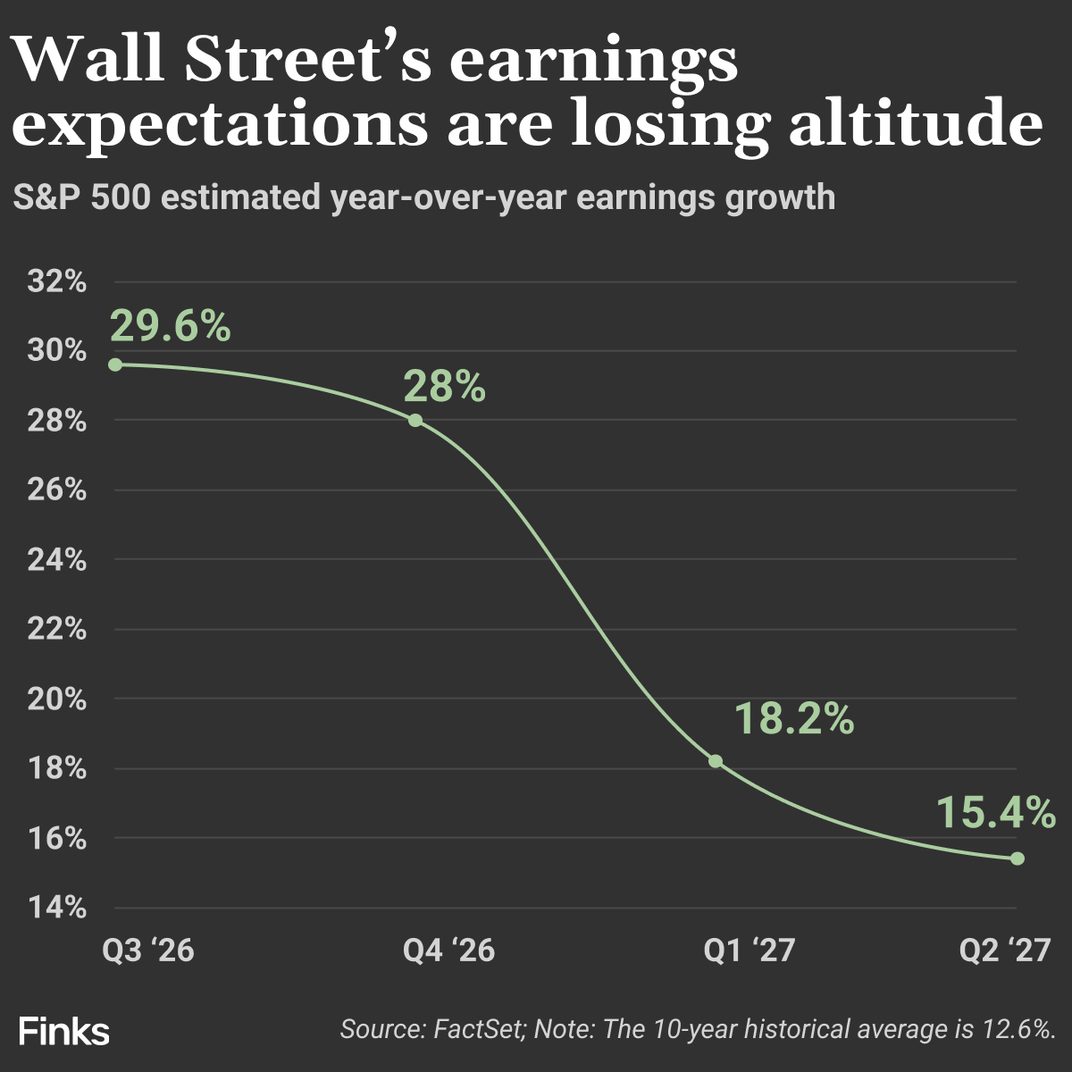
- FactSet expects S&P 500 earnings per share to rise ~29% (opens in a new tab) year over year in Q3, following Q2's ~50% jump.
- Goldman's Ben Snider sees AI infrastructure stocks driving more than half of Q3 earnings growth, with 10 names delivering two-thirds.
Profit split: The earnings boom looks even less impressive once you see where the gains are coming from. Nvidia and Micron alone are expected to account for more than a third of Q3 earnings growth. Even Q2's blockbuster results got a boost from one-time gains, including over $50B from Amazon's Anthropic stake and a similar lift for Alphabet. With Q3 earnings season kicking off, the question is whether profits can keep climbing without relying so heavily on a few AI giants.
Strategize
How to Diversify When Big Tech Dominates the Stock Market
The Magnificent Seven are worth a combined $25T, and their enormous influence on the S&P 500 means even broad index funds are heavily exposed to Big Tech. Owning multiple ETFs might feel diversified, but if they hold many of the same companies, the protection may be smaller than investors expect.
Why it matters: Equal-weight S&P 500 ETFs spread investments more evenly across companies, while value and small-cap funds offer exposure to different parts of the market. The key is finding a balance that reduces concentration without giving up on long-term growth.
Post Credits