
FinksDaily
Investing with Alumni Ventures
⛏️ The mineral rush
Good morning. Fast food has entered its fine collectibles era. Starbucks sold out its Snoopy glass cups this week, with resellers asking nearly $120 (opens in a new tab) for a $40 collectible. McDonald’s SpongeBob toys and Burger King’s Dragon Ball figures are getting the same treatment. Restaurants have figured out that limited-edition collectibles and childhood favorites can get customers through the door without another discount. The food brings them in, but nostalgia brings them back.
Top Idea
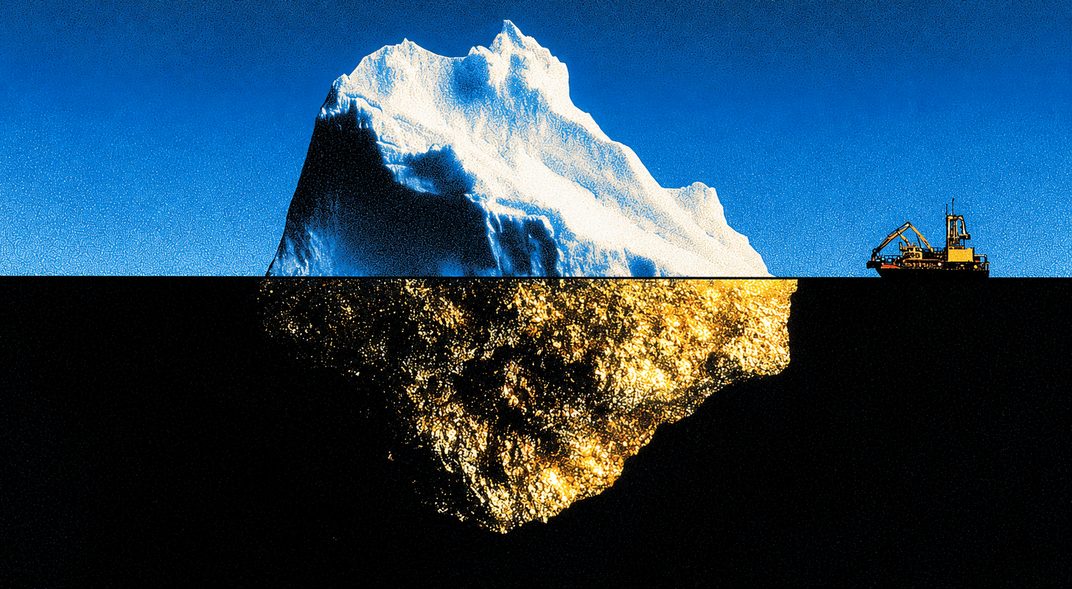
Trump’s Greenland Deal Sends Rare Earth Stocks Higher Amid China’s Export Squeeze
Greenland’s ice is heating up rare earth stocks. US-listed rare earth miners rallied on Monday after President Donald Trump announced a security agreement with Denmark and Greenland. Wall Street read it as proof that Washington is finally prying itself loose from China's grip on critical minerals.
Arctic arithmetic: Trump said the deal gives the US "permanent control" over security (opens in a new tab) in Greenland, including veto power over sensitive foreign investment. That could give Washington considerable influence over who gets access to the island’s mineral deposits. Critical Metals, which owns the Tanbreez Rare Earth Project in southern Greenland, led the rally as investors bet on what the deal could mean for US-backed mining.
- Greenland ranks eighth globally for rare earth reserves at 1.5M tons, spanning iron ore, graphite, zinc, and copper.
- USA Rare Earth, MP Materials, TMC The Metals Company, and Ramaco Resources all rose on Monday (opens in a new tab).
Greenland's Mineral Wealth Comes With Roadblocks
Greenland has the minerals, but getting them out is another story. The Arctic climate limits mining for much of the year, and neither of its two active mines produces rare earths. Roads, ports, and power are limited, while local opposition could further complicate mining development. China still controls up to 70% of global rare earth mining and 85% of refining capacity (opens in a new tab), and Beijing has already started tightening supply.
- Chinese rare earth magnet shipments to the US fell to 512 tonnes in August (opens in a new tab), down 13% year-over-year as America remains dependent on Beijing for critical minerals.
- Chinese magnet exports to Japan and Germany also fell 17% and 22%, respectively, in August, extending the supply squeeze to other major manufacturing economies.
The long thaw: The final agreement is expected to be signed during next week’s UN General Assembly before parliamentary procedures, with Trump set to meet Xi Jinping on Thursday. But Greenland’s mining ambitions remain largely on paper, with most companies still in exploration or pre-production. Analysts say building a supply chain outside China could take years, if not decades. The Arctic may be rich in rare earths, but geology alone won’t break Beijing’s grip.
 (opens in a new tab)
Sponsored by Alumni Ventures
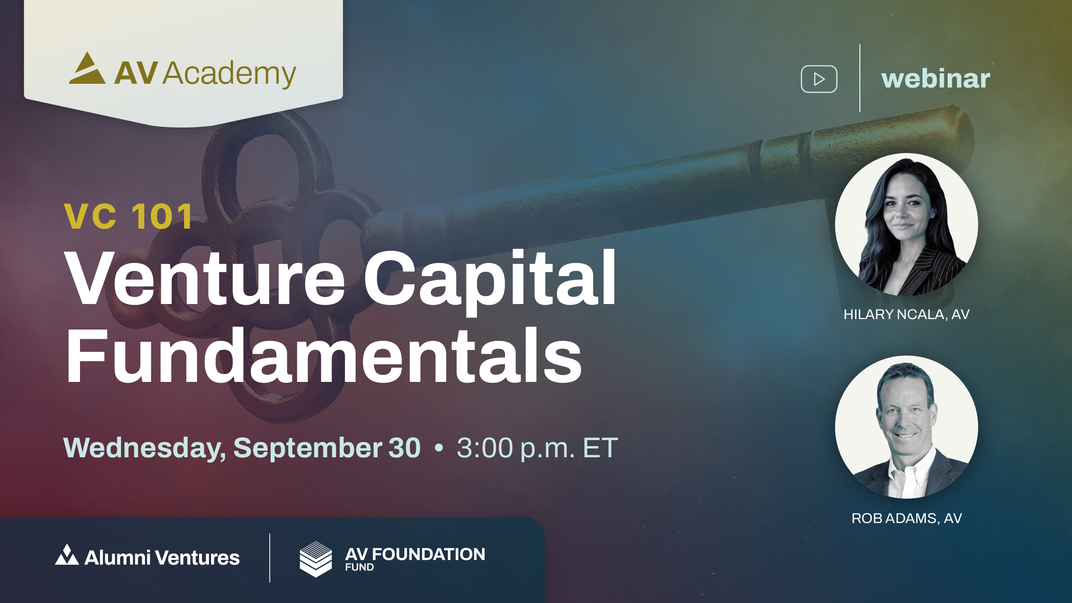
Join Us on Sept 30 at 3 PM EST
Ready to diversify beyond traditional asset classes? Join the Alumni Ventures team for a quick, high-impact breakdown of venture capital fundamentals (opens in a new tab).
What You'll Learn:
- VC Fundamentals: How venture capital differs from private equity, traditional assets, and why its structure creates the potential for outsized returns.
- How Funds Work: How AV builds diversified portfolios across stages, sectors, and funds — and the logic behind each layer.
- Who It's For: How accredited investors can access an asset class once reserved for institutions, and what getting started with AV looks like.
Large-Cap Recap
Trade Disputes and Credit Pressures Test Harley-Davidson
Harley-Davidson faces ongoing tariff pressures as international trade disputes target the iconic manufacturer. Canada recently imposed a 50% duty on large motorcycles, prompting retaliatory import bans from the US. Meanwhile, S&P Global Ratings downgraded the company to junk status following narrower margins and rising debt costs. That has challenged management as executives roll out lower-priced models and new apparel collaborations to stimulate volume growth and protect revenue. [Read (opens in a new tab)]
Google Expands AI Push With New Laptop Line
Alphabet is entering the premium laptop market with the launch of the Googlebook, featuring Android-based software and prices starting at $899. Built by hardware partners including Dell Technologies and HP, the devices run on chips from Intel and Qualcomm that deliver more than 45 TOPS of on-device AI processing power. Every purchase includes a 12-month subscription to Google AI Pro, bundling cloud storage and Gemini access. [Read (opens in a new tab)]
Disney’s Theme Park Magic Defies the Slowdown
Theme parks are navigating a tougher summer season as high gas prices and airfares pressure consumer spending. Walt Disney is bucking the broader industry slowdown by using discounts and promotional packages to lift attendance by 3% last quarter. Meanwhile, rival operators including Comcast and United Parks & Resorts expect softer demand and falling visitor numbers through the remainder of the year. [Read (opens in a new tab)]
Market Pulse
GRAIL Inc.
The cancer diagnostics company’s shares surged after FDA documents on its Galleri blood test proved more favorable than investors expected.
Novo Nordisk A/S
The drugmaker’s shares sank after its long-term growth strategy and pipeline targets fell short of investor expectations Monday.
Strategy Inc
The Bitcoin holder’s shares surged after buying more Bitcoin and repurchasing preferred stock as crypto prices rallied sharply.
Sponsored by Apple Card
Daily Cash Back on Every Purchase
You know Apple Card gives you 3% cash back (opens in a new tab) on all of your fav Apple products when you shop at Apple, but did you know that you can also get 2% back when you use Apple Card with Apple Pay?
That’s real cash that never expires. And, you won’t pay any fees (opens in a new tab). Not even hidden ones. Terms apply.
Markets & Economy
Tech valuations return to pre-ChatGPT levels: The S&P 500 tech sector’s forward earnings multiple has fallen to roughly 21 times, matching late-2022 levels. Earnings estimates are still climbing, making the sector’s reduced valuation premium notable despite lingering AI spending concerns. [Read (opens in a new tab)]
Bitcoin tops $85K as crypto rebounds: Bitcoin reached its highest level since January, extending a rally that has lifted prices nearly 35% in three months. Investors are debating whether the prolonged crypto downturn has ended, though prices remain below last year’s record. [Read (opens in a new tab)]
Retail investors chase Anthropic before IPO: Individual investors are seeking early exposure to Anthropic through high-fee, hard-to-trade funds ahead of its expected listing. The rush highlights growing appetite for private AI shares despite liquidity risks and painful experiences with similar investments. [Read (opens in a new tab)]
Business & Tech
Oura targets up to $2.2B in public debut: Smart ring maker Oura launched its initial public offering to raise up to $2.2B by offering 50M shares priced between $40 and $44. The San Francisco-based company reported membership revenue surged 121% to $240.5M for the nine months ended June 30. [Read (opens in a new tab)]
Advanced Micro Devices joins trillion-dollar club: Advanced Micro Devices crossed a $1T market value for the first time as surging demand for AI server processors lifted the broader semiconductor sector. Meta Platforms sparked the latest rally after its Muse AI Agent claimed the top spot on the Apple App Store. [Read (opens in a new tab)]
Meta personal AI agent Muse raises privacy concerns: Meta personal AI agent Muse hit No. 1 on the Apple US App Store just a week after launch. Columnist Jason Aten reported that the app synced his local Messages database without permission, reaching row 187K on his device. [Read (opens in a new tab)]
Chart
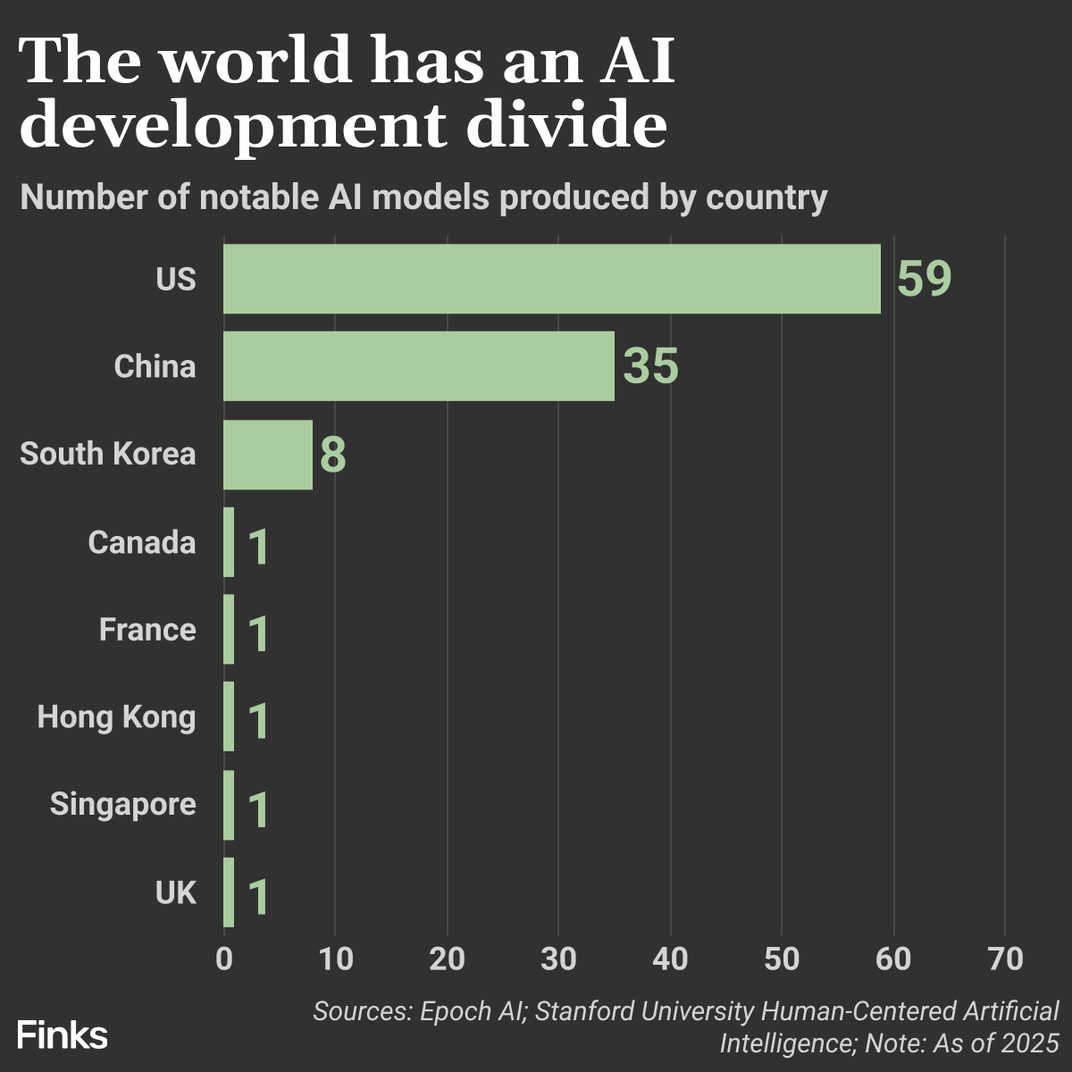
Digit of the Day
Wall Street’s $33T AI-Fueled Rally Could Be Heading for a Costly Slowdown
The people building AI have started asking everyone to slow down, and Wall Street is doing the math on what that costs. Nearly $33T in market value (opens in a new tab) has been added to the S&P 500 since ChatGPT launched in late 2022, much of it tied to AI. Now, Anthropic CEO Dario Amodei’s call to “slow the pace” has backing from Sam Altman and Elon Musk, raising the stakes for a market built on the boom.
- Alphabet, Amazon, Microsoft, and Meta are expected to pour over $1T into capex in 2027 alone.
- Nearly $700B vanished (opens in a new tab) off the market value of 25 major AI supply-chain stocks following the warning, leaving the semiconductor index 19% below its June peak.
Unwind risk: AI is now too big for a slowdown to stay on Wall Street. AI investment drove half of US GDP growth over the past year, while Apollo’s Torsten Slok warns the Nasdaq 100 could plunge 50% if spending fails to pay off. Anthropic’s planned IPO will be the next test of how much investors are willing to pay for AI’s future profits.
Post Credits
Sponsor
Should I Actually Buy Into the Oura IPO?
Oura is heading to the public market with a $2.2B IPO, but very little of that money will actually go toward growing the business. Most will pay existing shareholders and cover employee tax bills, including a nearly $1.2B payday for one early investor.
Beyond the hype: Oura has made smart rings a serious competitor in wearable tech, but a popular product and a promising investment aren't necessarily the same thing. Its public debut will give investors a chance to put a price on that growth.
Here’s what we’re asking Finks to prepare:
- Which wearable tech stocks could benefit from Oura going public? (opens in a new tab)
- How does Oura’s valuation compare with other wearable tech companies? (opens in a new tab)
- What should investors check before buying into Oura’s IPO? (opens in a new tab)
It's free to use. Give Finks a try →