SpaceX Has Rockets, Starlink, and AI. Which Business Is the Stock Pricing In?
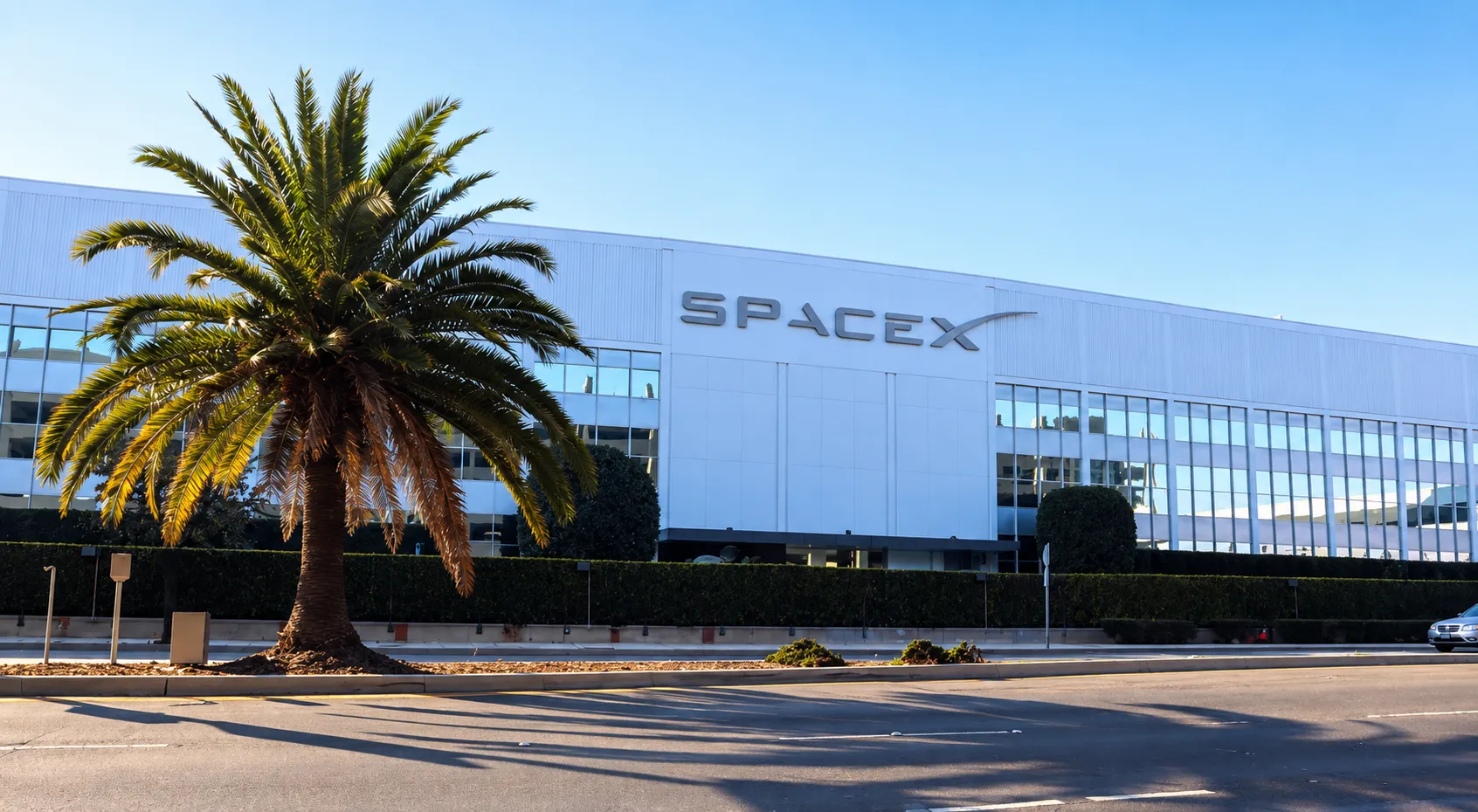
SpaceX gives public-market investors something they haven’t really had before: a rocket company, satellite broadband network, and AI business packed into one stock. That also makes figuring out what the company is worth unusually complicated.
The next Starship test should give investors another data point. Wall Street is also starting to put separate values on the company’s launch, Starlink, and AI businesses, and those estimates show just how much of the investment case has shifted beyond rockets.
Starship finally reached orbit
Starship’s 14th test flight on Sept. 28 delivered an important first. The vehicle reached orbit and deployed 26 Starlink V3 satellites at an altitude of roughly 269 kilometers.
The flight wasn’t clean. One of three main engines shut down early, cutting the planned 10-hour mission to about three hours. SpaceX shares fell 2% that day.
Still, it was Starship’s first revenue-generating flight after a development program that has cost more than $15B since 2023. Getting Starlink satellites into orbit also gave the test a commercial purpose beyond the development program.
Musk said Starship is “2 to 3 years away from hourly flights.”
The next flight has more riding on it
Starship Flight 15 could launch as early as the end of October, and Morgan Stanley analyst Adam Jonas expects SpaceX to attempt a ship catch. That would mean retrieving Starship’s upper stage in mid-air rather than letting it splash down.
Jonas calls a successful catch the biggest positive catalyst since the IPO.
That makes the next flight an important test of the reusability plan. After Flight 14 reached orbit and carried Starlink satellites, Flight 15 gives SpaceX another chance to show how much further Starship has progressed.
Wall Street sees two different valuations
SpaceX trades at roughly 30 times expected 2028 operating profit, almost double the 16-times median for Big Tech.
Adjust for expected earnings growth and that premium looks different. SpaceX trades at about 0.3 times on that basis, compared with 0.5 times for megacaps.
Jonas’s $300 target shows where he thinks the value sits. Starlink connectivity accounts for $118 per share, while enterprise AI contributes $165. External launch adds $8, with consumer AI products such as Grok worth another $8.
The market is putting far less weight on AI. Jonas estimates investors assign $127 per share to Starlink and launch combined, leaving just $32 for the AI businesses.
That gap drives much of his bull case. Morgan Stanley is assigning more than half of its target to enterprise AI, while the market’s current valuation gives those businesses a much smaller role.
“Adjusted for growth, SpaceX is one of the cheaper ways to play the strong optionality of the space and intelligence economy.”
Adam Jonas, Morgan Stanley
Institutional ownership among Morgan Stanley clients remains low, which Jonas partly attributes to how difficult the collection of businesses is to value.
Washington enters the story
The AI business is getting a new name too. Musk said over the weekend that he plans to rename the company’s AI unit from SpaceXAI to SpaceXSI.
He gave no timeline, and the unit’s X account was still unchanged when the news broke.
The switch follows a Trump executive order signed Sept. 29 directing federal agencies to use “super intelligence” instead of “artificial intelligence.” The order also asked the White House science adviser to propose legislative language within 60 days.
For investors, the rename doesn’t change the numbers behind SpaceX. It does put more attention on the AI operation at a time when Morgan Stanley already assigns it the largest share of its price target.
What matters next
SpaceX shares gained 4.9% Monday and are up 18% from their June IPO. The rename almost certainly wasn’t the only thing moving the stock.
Tesla jumped 4.7% Friday after better-than-expected third-quarter deliveries, and the two stocks often move together. SpaceX also picked up new Buy ratings from TD Cowen and CLSA last week.
Flight 15 is the next major test for Starship, while Wall Street’s valuation work puts another question in front of investors. Morgan Stanley sees considerably more value in SpaceX’s AI operations than the market currently does.
Investors are ultimately getting three very different businesses in one stock. Starlink is already carrying satellites into orbit, Starship remains in development, and AI accounts for a surprisingly large share of Morgan Stanley’s upside case.
SpaceX doesn’t need every piece to work at once. But with this many bets packed into one ticker, investors should know which one they’re paying for.

