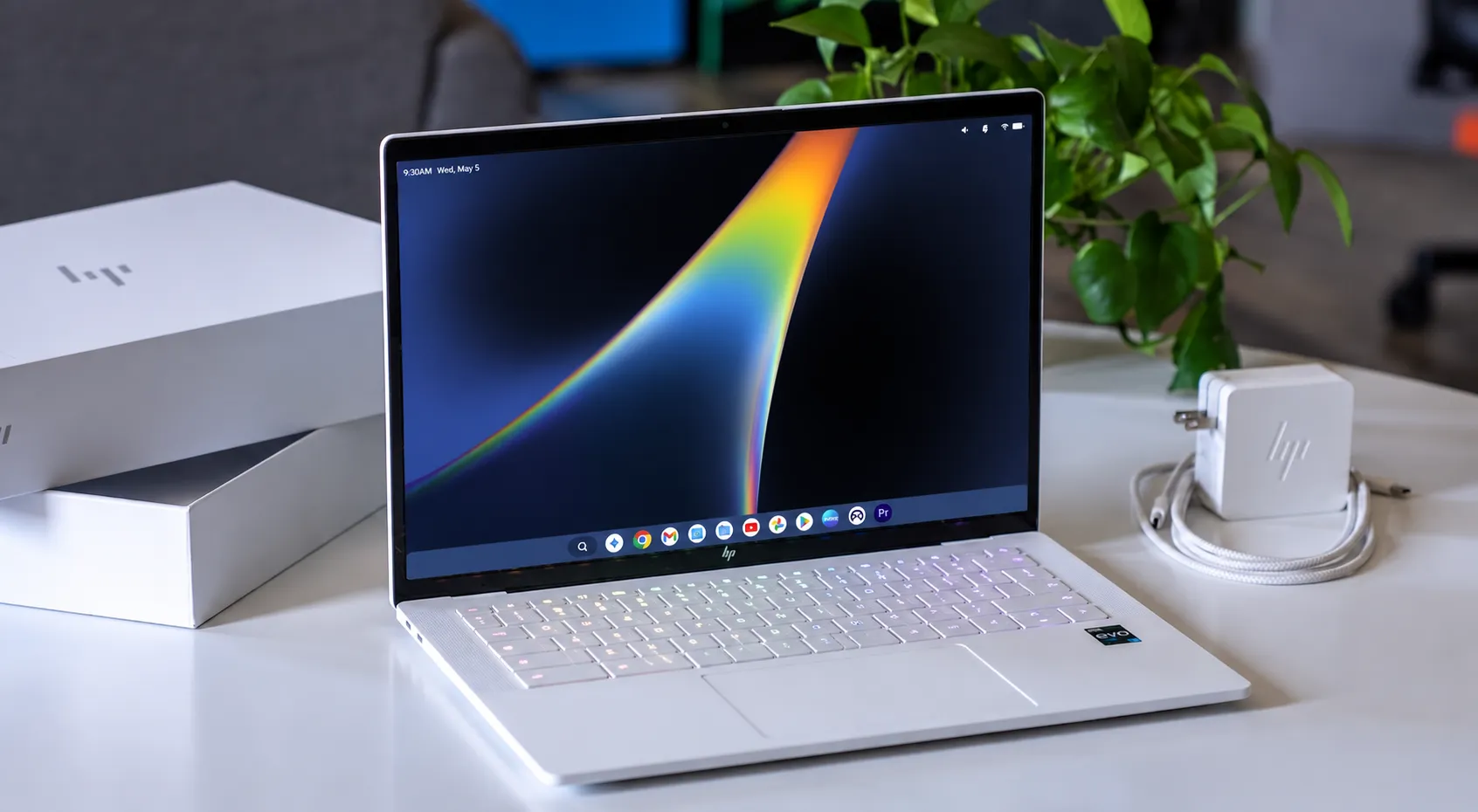
Alphabet began selling its Googlebook laptops in the US on Oct. 4, with five hardware partners shipping machines that start at $899 and run Gemini AI locally on dedicated neural processors.
Acer, ASUS, Dell, HP, and Lenovo all launched simultaneously, with prices climbing as high as ~$1.3K for the higher-end systems.
The laptops reached Canada, the UK, Ireland, France, Germany, and Australia on Oct. 5, one day after the US. The Australian retail launch includes a year-long trial of Google AI Pro for eligible buyers.
The Chromebook compromise is gone
Googlebook OS merges Android and ChromeOS at the kernel level and removes ARCVM, the virtual machine layer that ran Android apps on every Chromebook.
That layer added latency at the VM boundary and forced heavy apps to compete for a carved-out memory budget.
Apps now run natively on hardware with a 40+ TOPS NPU, 16GB of RAM minimum, and a Level 5-certified Linux hypervisor.
Google also pushed Antigravity, its agent-first development platform, to the Play Store on Sept. 30 ahead of the launch.
The app interacts with the Linux environment on the new laptops and currently runs only on Googlebook OS.
Security leans on Android's app permission model and sandbox architecture combined with ChromeOS's multi-layered defense, including the Titan chip.
OEMs are betting on premium specs
Lenovo introduced the Googlebook 15 on Sept. 28, powered by Intel Core Ultra 5 processors with up to 32GB of memory and 512GB of storage.
It delivers up to 47 TOPS while weighing under 3 lbs, with a 15-inch 2.8K OLED display and up to 12.5 hours of battery life.
ASUS went lighter, shipping a 14-inch ultraportable at 2.18 lbs with a Nano Ceramic magnesium-aluminum chassis and Intel Core Ultra Series 3 silicon.
The ASUS Googlebook 14 adds a 3K OLED touchscreen, six-speaker audio, and a six-sensor haptic touchpad, with up to $500 in additional value bundled per purchase.
Flagship models across the lineup use either Intel Core Ultra or Snapdragon X Elite processors.
A DeepMind-developed feature uses Gemini to serve contextual suggestions based on cursor movement and on-screen content.
The pitch to buyers is deeper phone integration rather than raw speed over older Chromebooks. For Alphabet, the move plants Gemini on hardware it does not have to rent compute for, and gives five of the largest PC makers a reason to sell Android on the desktop.

