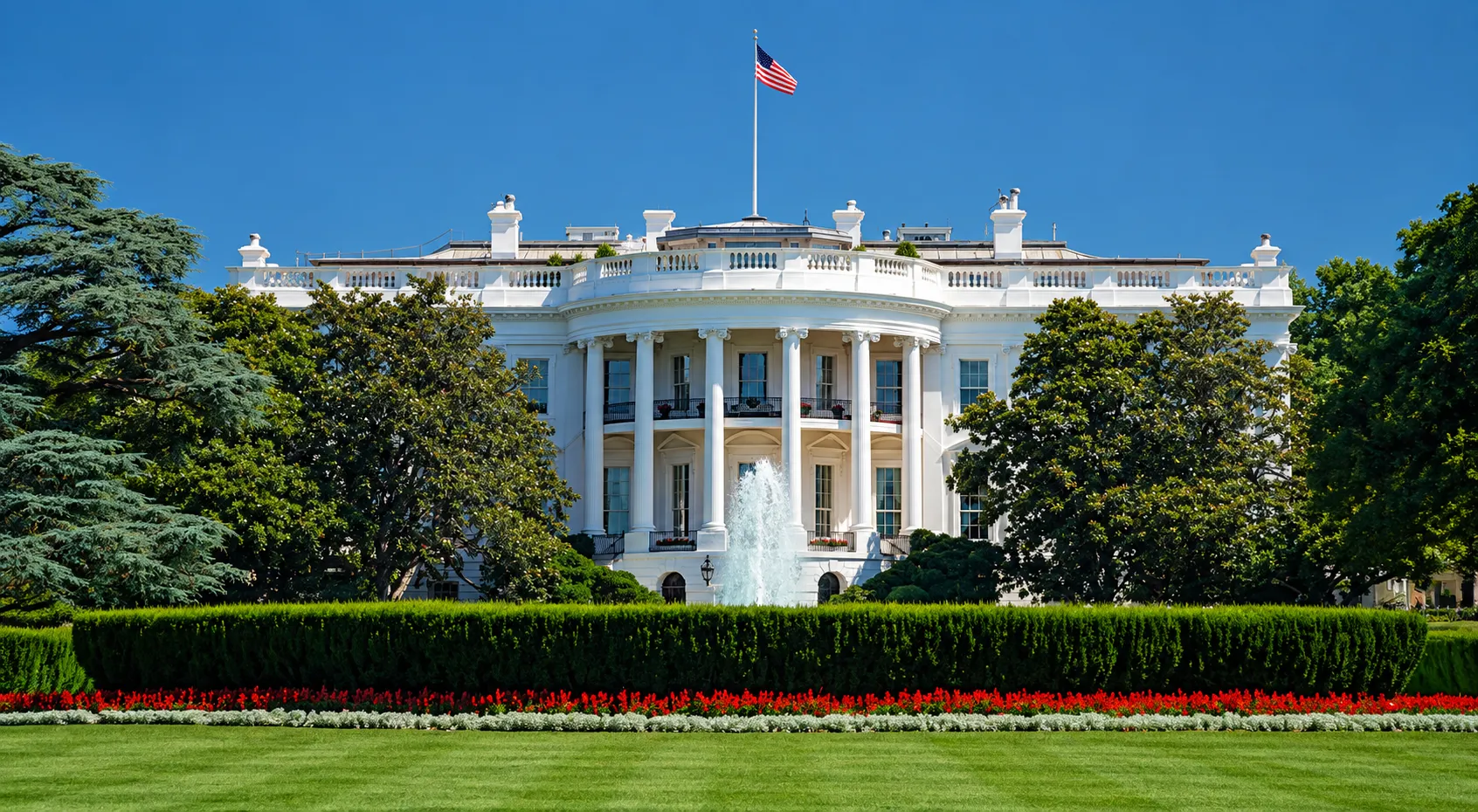
The Supreme Court ruled on Feb. 20 that the International Emergency Economic Powers Act does not give the president authority to impose tariffs, voiding the levies collected under it.
The 6-3 decision struck down the Liberation Day duties but left the question of refunds unresolved.
The ruling did not address how importers get their money back, leaving companies to preserve their own claims. Four days later, a 15% global tariff under Section 122 of the Trade Act of 1974 took effect and can run for up to 150 days.
Goods qualifying for US-Mexico-Canada Agreement treatment are exempt, while de minimis duty-free treatment stays suspended. That kept tariffs in place even after the authority behind the Liberation Day duties disappeared.
The refund bill is now larger than the revenue
The Treasury recorded negative net customs revenue of $25.56B in June 2026, with refunds of $49.18B against $23.63B collected. Refunds therefore exceeded new customs revenue by more than $25B during the month.
The administration has distributed $100B in refunds tied to the $166B struck down by the court. That leaves tens of billions from the invalidated tariffs still outside the amount refunded so far.
Section 301 is the third attempt
The Section 122 authority capped out at 150 days, and Congress was never likely to extend it. The White House instead replaced it with duties built on Section 301 of the same statute, covering roughly 99% of US imports.
The new levies run between 10% and 12.5% and target 59 countries plus the European Union, accused of failing to police forced labor in supply chains. US Trade Representative Jamieson Greer confirmed the plan covers 60 trading partners.
Trade lawyers read the forced-labor rationale as a replacement in a new guise for the voided IEEPA program. The legal authority changed, but the new duties again reach across most US imports.
Technology companies caught a break in the exemptions. Smartphones, servers, and PCs made the list, giving hardware makers room to reconfigure production, but a 20% tax still applies to imports from China, where much of that hardware is assembled.
TechNet led a coalition including the Consumer Technology Association and the Information Technology Industry Council urging the White House to spare technology inputs. The groups warned that broad Section 232 tariffs on semiconductors and robotics components would raise costs and slow AI buildouts.
For importers, one tariff regime has already been replaced by two others. The practical question is no longer whether tariffs survive a court, but how long each version lasts before the next ruling resets the math.

