
FinksDaily
Sponsored by Apple Card
🎬 Retail showbiz
Good morning. Love may be priceless, but dating is getting harder to afford. More than 8 in 10 (opens in a new tab) Gen Z and millennial daters say rising costs have changed how they date, with nearly a third going out less and some giving up altogether. Free activities and nights at home are replacing pricier dates, though some are still going into debt to keep the romance alive. Half now say financial compatibility matters more than chemistry. Turns out, financial stability is the new love language.
Top Idea

Fast Food’s Value Problem Is Giving Casual Dining Stocks a Boost
Turns out the booth beat the drive-thru window. Americans are spending a bigger slice of their restaurant dollars at full-service chains, and investors have piled in behind them. Fast food's biggest names are now scrambling to fix a problem they built themselves.
Value gets redefined: Diners are looking beyond the price tag to what they get for their money. Bigger portions, better food, and attentive service can make a sit-down meal worth the extra cost. Full-service restaurants captured 50.9% (opens in a new tab) of restaurant spending in June, up roughly 0.4 percentage points from a year earlier, according to Census data analyzed by Wells Fargo.
- Cheesecake Factory comparable sales rose 5.8% last quarter, with traffic up 2.7% and adjusted EPS climbing 24%.
- BJ’s Restaurants guest traffic jumped 8.3%, marking its eighth consecutive quarter of gains as more diners returned to its restaurants.
Restaurants Rediscover the Personal Touch
After spending millions on kiosks and apps, fast-food chains are realizing that customers still want someone behind the counter. McDonald’s is responding with one of its biggest hospitality pushes yet, retraining more than 2M (opens in a new tab) restaurant workers worldwide later this year. Burger King is requiring managers to keep front counters staffed, while Wendy’s CEO Bob Wright is reviewing its AI drive-thru trials.
- The push to win back diners comes as McDonald’s stock is down nearly 11% this year, while Wingstop has plunged 51% after six straight quarters of declining same-store sales.
- As Burger King US president Tom Curtis explained the renewed focus on hospitality, “They want a friendly face. We have to lean in to that because that's evaporating in the fast food space.”
Satisfying the craving: Investors have already rewarded the casual-dining comeback, with Cheesecake Factory surging 97% in 2026 and Brinker gaining 40%. Wells Fargo notes that both now trade above their five-year average P/E multiples, alongside Darden. But the gains haven't spread across the industry, with the median restaurant stock (opens in a new tab) up just 2% this year against 12.1% for the S&P 500. So while investors have developed an appetite for casual dining, earnings will have to live up to the hype.
Ask Finks: Which casual dining stocks look undervalued relative to their earnings growth? (opens in a new tab)
_600x330_US_DemandGenSingleImageAds_US_DitchPlastic_StaticFormat_NA-600x330.jpg) (opens in a new tab)
(opens in a new tab)Sponsored by Apple Card
Give Your Wallet The Power of Titanium
Unlike other credit cards, Apple Card doesn’t put sensitive information on display. The Apple-designed titanium card is built to be private and secure, with no visible numbers on it — just your name and some serious attitude.
And when you buy your favorite Apple products at Apple, you get 3% Daily Cash back (opens in a new tab).
- Need new AirPods? 3%.
- Fresh MacBook for your teen? 3%.
- That iPhone you’re glued to? You guessed it. 3%.
Plus, there are no fees (opens in a new tab), period. No late fees, foreign transaction fees, annual fees… Just a credit card with the privacy and security you expect from Apple.
Upgrade your credit card, apply today (opens in a new tab). Terms apply.
Large-Cap Recap
Retailers Turn to "Fashiontainment" to Drive Sales
Fashion brands are betting that the way to shoppers’ wallets is through entertainment. Gap is embracing “fashiontainment” with a multi-year boy band partnership featuring a documentary series and mall fan experiences. The strategy reflects a broader shift toward cultural marketing, with Levi Strauss and American Eagle also ramping up advertising to compete in the $101B global jeans market. So far, Gap and Levi’s have turned the buzz into stronger sales, while American Eagle is still waiting for a bigger payoff. [Read (opens in a new tab)]
Refining Giants Face New Hurdles
Global fuel shortages have sent refining stocks soaring this year, driven by supply disruptions and surging crack spreads. That momentum may slow down as Washington weighs a potential diesel export ban to curb domestic fuel prices. Major operators like Marathon Petroleum and Valero Energy face growing regulatory scrutiny following record quarterly earnings. Analysts warn that restricted exports could compress margins and trigger a significant pullback for the sector. [Read (opens in a new tab)]
Robotaxi Rivals Are Racing Ahead of Uber and Lyft
Uber and Lyft are facing a growing threat as autonomous rivals race to build their fleets. Alphabet’s Waymo and Amazon’s Zoox are expanding across multiple cities, gaining a multi-year head start before incumbent fleets ramp up in 2028. Analysts expect rival robotaxis to generate $6B in bookings by then, capturing 5% of the market. Uber is fighting back with billions in vehicle partnerships and equity stakes, but competitors are already claiming ground in the driverless future. [Read (opens in a new tab)]
Market Pulse
GameStop Corp.
The video game retailer’s shares jumped after CEO Ryan Cohen bought another $26B worth of company stock.
Cisco Systems, Inc.
The networking giant’s shares sank as a broader tech selloff pressured AI-linked stocks despite strong demand for its infrastructure products.
Viking Therapeutics, Inc.
The biotech company’s shares surged after its experimental obesity drug showed strong weight-loss results with less frequent dosing.
Sponsored by Alumni Ventures
Join Us on Sept 30 at 3 PM EST
Ready to diversify beyond traditional asset classes? Join the Alumni Ventures team for a quick, high-impact breakdown of venture capital fundamentals (opens in a new tab).
- How VC differs from private equity
- How AV builds diversified portfolios across stages and sectors
- How accredited investors can access an asset class once reserved for institutions
Markets & Economy
Trump signals Iran deal could follow midterms: Trump said he expects a peace agreement after November’s elections while warning of further military action if talks fail. Iran has tied reopening the Strait of Hormuz to its conditions for ending the conflict. [Read (opens in a new tab)]
Binance invests $100M in Circle: Binance took a stake in Circle and signed a five-year deal to expand USDC adoption, particularly in emerging markets. The partnership gives Circle access to Binance’s global user base as demand for digital dollars grows. [Read (opens in a new tab)]
SpaceXAI’s Grok Bot tops 400K users: SpaceXAI reported 418K weekly users for its workplace AI agent roughly a month after launch. The early uptake gives its enterprise software push traction as competition to automate business tasks intensifies. [Read (opens in a new tab)]
Business & Tech
Peloton launches foldable treadmill and AI features: Peloton unveiled three new treadmills, including a $2.2K foldable model, alongside AI-powered running analytics. The launch comes as the company works to reverse years of declining revenue. [Read (opens in a new tab)]
Apple pitches new Macs for enterprise AI: Apple introduced new Mac mini and Mac Studio models, with high-end configurations reaching $20K. The company is positioning its hardware as an alternative to renting cloud computing capacity for AI workloads. [Read (opens in a new tab)]
AutoZone beats profit estimates despite revenue miss: AutoZone reported fiscal fourth-quarter earnings of $56.05 a share, topping Wall Street expectations. Gross margin expanded to 53.3%, bolstered by a one-time tariff refund and lower costs. [Read (opens in a new tab)]
Chart
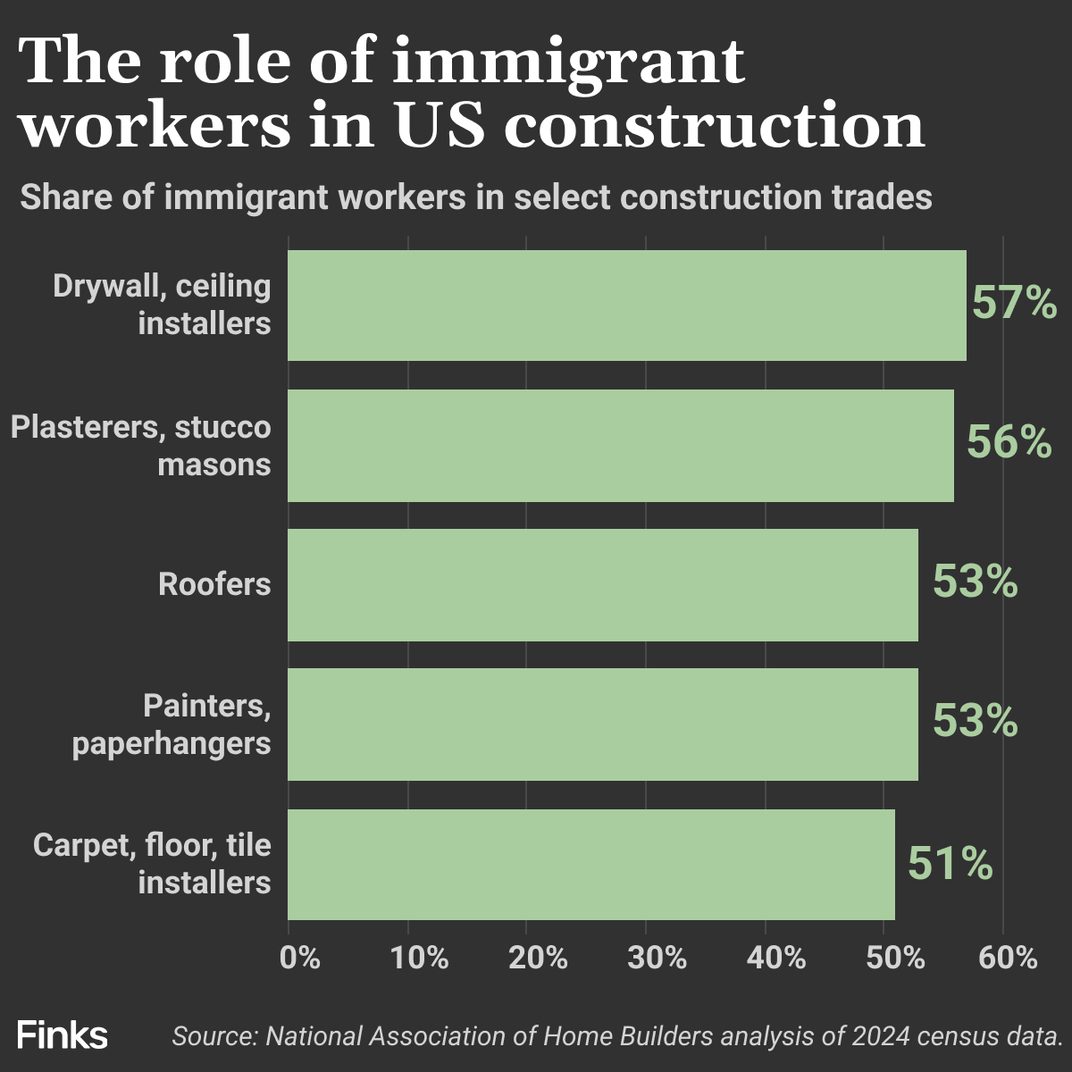
Digit of the Day
Paramount Clears Its Last Merger Hurdle With a $1.5B Pledge to US Film Production
Hollywood’s latest blockbuster came with a settlement instead of a sequel. Paramount settled a 12-state antitrust challenge to its Warner Bros. Discovery takeover, pledging at least $1.5B more (opens in a new tab) toward domestic film production over five years. Shares of both companies surged (opens in a new tab) as reports circulated, with the deal requiring no major divestitures.
- Paramount must release 30 theatrical films yearly for two years, then 32, with a $30M penalty per missed film.
- The combined company commits $47.5M to a worker retraining fund and $17.5M to the Writers Guild health fund.
Ticking clock: Ellison’s threat to move operations out of California added pressure to settle, with a $7M daily fee looming from Oct. 1. Paramount can now close its $111B takeover, taking on ~$80B in debt and preparing for broad layoffs. CBS News and CNN will remain under a five-member editorial independence board, despite states demanding their divestiture (opens in a new tab). And with neither network on the chopping block, Paramount gets to keep its Hollywood empire intact.
Post Credits

Sponsor
With Diesel Prices Climbing, How Much Upside Is Left for Refining Stocks?
Refiners are benefiting from tight fuel supplies and strong margins, but a potential diesel export ban could change the equation. Marathon Petroleum and Valero have enjoyed a powerful run, leaving investors to figure out whether the sector’s fundamentals can keep supporting the excitement.
- Find the next refining opportunity: Ask Finks which stocks could benefit most from tight diesel supplies and whether their recent gains have more room to run (opens in a new tab).
- Stay ahead of the risks: Explore what could derail the refining rally, how long the shortage might last, and which stocks could take the biggest hit. (opens in a new tab)
Go beyond the headlines and find out what the refining rally could mean for your next investment move.