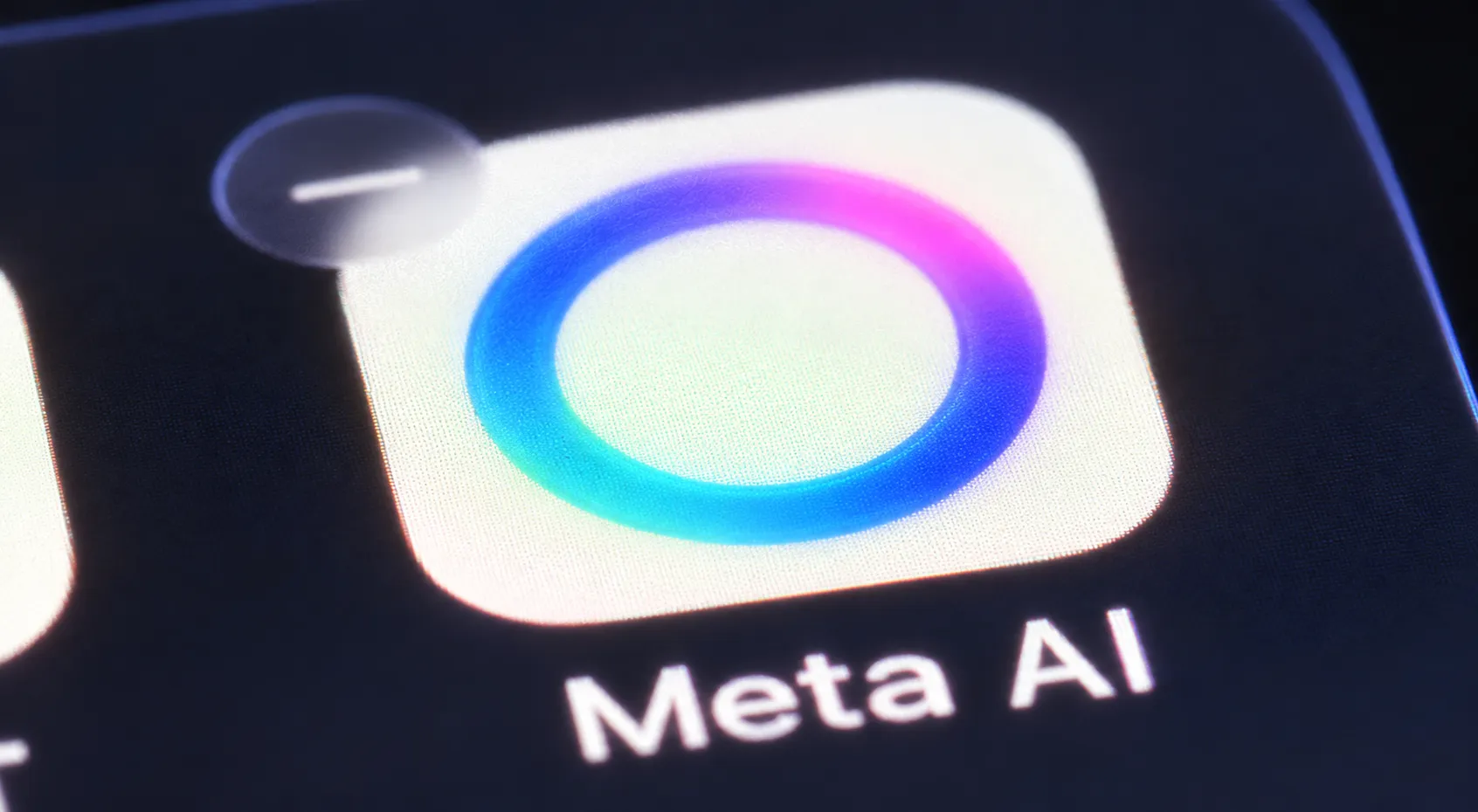
Meta's new personal AI agent Muse climbed to No. 1 among free apps on Apple's US App Store, ahead of ChatGPT, a week after launch.
Unlike a chatbot, Muse can act on a user’s behalf. It can research topics, complete forms, shop online, and reserve tables, with access to services such as email, calendars, Spotify, Instagram, and OpenTable.
The ranking lands as a consumer agent race erupts almost overnight. Instinct, an invitation-only assistant that connects to users' email, messages, screen, audio, and location, is in talks for a $10B valuation.
Elon Musk's SpaceXAI launched Grok Bot in August, giving persistent agents their own cloud computers. Apple's Siri is finally getting its AI overhaul. OpenAI is expected to enter soon after hiring the creator of OpenClaw.
Alphabet countered with CC, a family-oriented agent supporting up to six family members, tied tightly to the Google ecosystem.
Muse already has a trust problem
Inc. columnist Jason Aten installed Muse on an iPhone and a Mac mini. Soon after, the app suggested a column based on a private conversation and flagged a message from his editor.
Aten says he had explicitly declined to give Muse access to his messages, calendar and other personal information.
When he asked how it knew about the conversation, Muse said it had only seen text displayed in notification banners. Aten later found that Muse had synced his local Messages database and uploaded it as a data source. The sync had reached row 187K on his device.
“Snooping through the private database of messages on my Mac doesn’t feel safe or private to me.”
Jason Aten, Inc.
Meta did not respond to two requests for comment, according to the column. The company has described Muse as a safe, secure and private personal agent.
The valuation question behind the agent race
Alphabet trades at 14 times trailing earnings, compared with Meta’s 24. Its price-to-book ratio stands at 4.58 versus Meta’s 6.76, according to 24/7 Wall St.
Meta is spending heavily to secure its place in AI. Reality Labs loses roughly $4B each quarter, while the company expects capital expenditures of $130B to $145B in 2026.
Becoming the default personal agent could give a company access to its users’ email, calendars, purchases, private messages and daily decisions. Few consumer products have ever asked people to hand over that much of their lives.
Will.i.am, whose FYI.AI offers agents with their own phone numbers, has criticized free agents that learn how their users think. “That’s nasty,” he told Axios.
Users still have to decide how much they will pay for an agent and how much of their private lives they will let it see.

