
FinksDaily
🚁 Drone freeze
Good morning. Days after Lake Ontario became Lake America, the dollar coin is next. Canada has had its loonie for decades, and now the US counterpart has officially arrived... as the Trump coin (opens in a new tab). The US Mint began selling $1 coins featuring President Trump on Wednesday, legal tender with "In God We Trust" and a sitting president's face, marking a first under federal law. Renaming a lake was ambitious, but renaming currency might be next level.
One quick note: Markets are closed Monday for Labor Day, so we’re taking the day off too. We’ll be back in your inbox Tuesday to catch you up on everything.
Top Idea
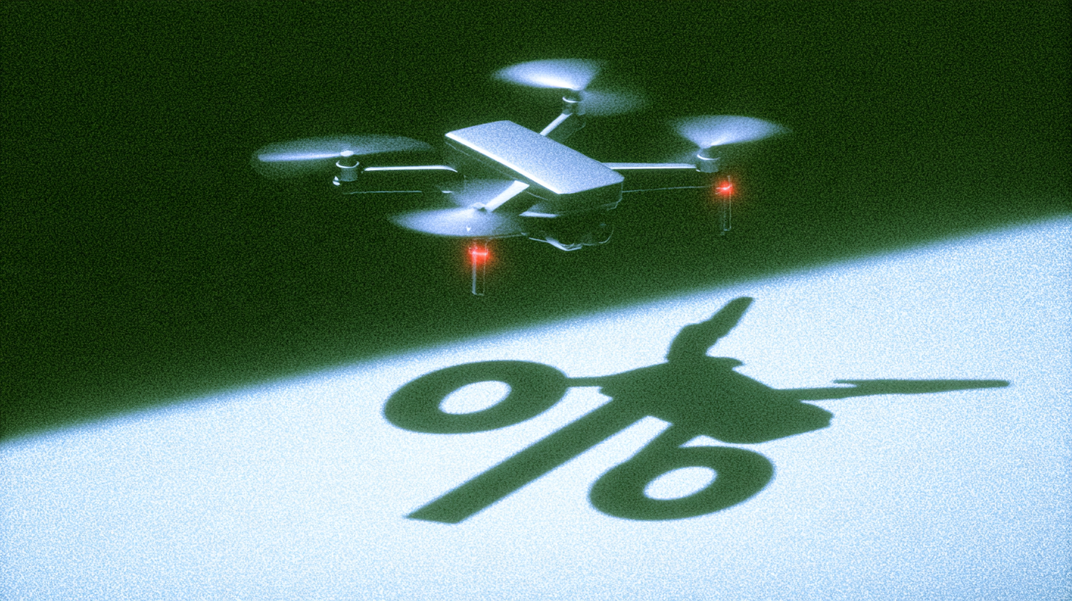
Washington Gave US Drone Makers a Tariff Edge. Wall Street Has Yet to Reward Them
The drone trade ended up getting clipped before takeoff. President Trump’s new tariffs on foreign drones took effect this week, part of a broader push to bring production back to the US and reduce reliance on China. For investors, there are a few ways this can play out.
Policy lift: The White House imposed tariffs of up to 100% on imported drones, with the highest rates hitting heavier models and those using thermal imaging. That should favor US manufacturers, but investors haven’t bought the story. Six domestic drone and defense stocks, including AeroVironment, Redwire, Kratos Defense, and Elbit Systems, have fallen an average of 20% (opens in a new tab) since the mid-August announcement, according to Barron’s.
- Drones weighing more than 55 pounds or equipped with thermal-imaging technology now face a 100% tariff, effectively doubling their import cost before other expenses.
- Smaller imported drones are subject to a 25% tariff, raising costs for commercial buyers that still rely heavily on foreign-made models.
The Drone Squeeze Reaches Buyers
The bigger risk for the drone market is weaker demand. Police and fire departments, construction firms, and industrial operators rely on thermal drones for jobs that need specialized equipment. If tariffs push prices too high, many could delay upgrades rather than move straight to US-made alternatives. That could leave the industry with higher prices but fewer buyers.
- DJI makes 70%+ of the world’s commercial drones, leaving buyers heavily exposed to any restrictions on Chinese models.
- The FCC proposal drew more than 3K public comments, with drone operators and businesses raising concerns about the impact.
Beyond tariff pressure: The FCC is considering restrictions (opens in a new tab) that could classify common drone features, including thermal imaging, as military-grade technology. A Commerce Department investigation also found US manufacturers lack the capacity to meet national security needs, exposing a gap (opens in a new tab) between Washington’s goals and domestic supply. Aerial photographer Vic Moss called the FCC proposal an “industry-killing ban” if implemented as written. Until the rules settle, policy remains the biggest variable in the drone trade.
Large-Cap Recap
Packaged Food Stocks Face Fresh Pressures
Packaged food companies are losing the steady demand that once defined their defensive appeal. Campbell's Company cut its quarterly dividend by 36% after sales fell short, while Tyson Foods lowered revenue guidance due to severe cattle shortages. Meanwhile, the growing adoption of GLP-1 weight-loss drugs is altering consumer eating habits and shrinking grocery demand across the broader sector. Investors are increasingly demanding proof of stable volumes rather than relying on traditional dividend payouts. [Read (opens in a new tab)]
Tesla Stakes Its Valuation on Robotaxi Scale
Tesla has begun offering paid Cybercab rides, putting the autonomy thesis behind its premium valuation into practice. Regulations still limit mass sales of vehicles without steering wheels or pedals, pushing Tesla toward fleet deployments instead. The challenge now is scale. Alphabet’s Waymo already offers paid rides across multiple US cities, raising the pressure on Tesla to expand quickly while maintaining reliability and safety. [Read (opens in a new tab)]
Regulatory Pressure and Tariffs Weigh on Auto Stocks
Political risk now drives the automotive sector as much as consumer demand. General Motors and Ford Motor face mounting pressure from proposed trade tariffs and potential bans on Chinese connected vehicles. Meanwhile, strict price competition continues to weigh on overseas names like NIO. That makes stock selection critical, with analysts highlighting salvage auction operators like RB Global as a way to navigate the policy uncertainty and supply chain disruptions. [Read (opens in a new tab)]
Market Pulse
Snowflake Inc.
SNOWThe cloud software company’s shares surged after strong earnings, raised guidance and growing adoption of its AI products.
Planet Labs PBC
PLThe satellite firm’s shares declined as a new European defense contract underwhelmed investors ahead of earnings.
Marathon Digital Holdings, Inc.
MARAThe bitcoin miner’s shares rose as optimism around its AI computing pivot and Bitcoin exposure drew fresh investor interest.
Sponsored by Apple Card
The Game Changer Your Wallet Needed
Apple Card gets you 3% Daily Cash back on Apple purchases at Apple and 2% when you use Apple Pay.
So not only are you earning real cash (opens in a new tab), but there aren’t any fees (opens in a new tab), either — no hidden fees, no annual fees, no late fees… Not even foreign transaction fees. Apple Card has no fees, period. Terms apply.
Markets & Economy
Convenience stores warn new SNAP rules could backfire: Thousands of retailers could stop accepting food stamps unless USDA delays stricter stocking requirements. Stores say sourcing challenges could reduce food access in areas already short on grocery options. [Read (opens in a new tab)]
US trade deficit jumps to 17-month high: The gap widened to $88.6B in July as imports rose and exports fell. A rebound in AI-related equipment imports and tariff-driven stockpiling added to the increase, raising the risk of a bigger drag on third-quarter GDP. [Read (opens in a new tab)]
Layoffs fall to four-year low: US employers announced about 53K job cuts in August, down sharply from a year earlier and marking the lowest monthly level since 2022. Hiring remains sluggish, however, leaving the labor market resilient but unusually slow-moving. [Read (opens in a new tab)]
Business & Tech
Nvidia buys Hugging Face for $12.9B: Nvidia is acquiring the open-source AI hub used by millions of developers, expanding its reach beyond chips. The deal gives Nvidia more influence over where AI models are built and deployed as customers develop rival hardware. [Read (opens in a new tab)]
Microsoft caps Xbox cloud gaming hours: Microsoft is limiting Game Pass cloud streaming to between 5 and 15 hours per month depending on the subscription tier. The change affects just 4% of subscribers as cloud infrastructure costs climb. [Read (opens in a new tab)]
Victoria’s Secret slips despite stronger outlook: Victoria’s Secret beat on earnings and raised its 2026 sales forecast, but revenue came in just shy of expectations. After a 57% run this year, investors wanted faster growth to justify the stock’s rerating. [Read (opens in a new tab)]
Chart
Digit of the Day
Corporate Baby Bonds Are Dangling 7% Yields Again
Baby Bonds sound like something you’d buy for a toddler, but Wall Street’s version isn’t that cute. Corporate giants across telecom, utilities, and automotive are dangling yields above 7% on these bite-sized slices of corporate debt — levels in over 15 years (opens in a new tab). For income-hungry investors, junk-bond returns are getting an investment-grade upgrade.
- For example, AT&T trades at 7%, with Ford at 7.7% — both part of a market trading roughly two percentage points above the 30-year Treasury yield.
- Since bond prices and interest rates move in opposite directions, when long-term rates climbed this year, baby bond prices fell more than 10% — pushing yields to today’s highs.
Not kids’ stuff: Despite the name, this isn’t the government savings program some states created to give newborns a financial head start (opens in a new tab). Wall Street’s version trades on public exchanges like a stock, and since it’s taxed as ordinary income, it fits better inside an IRA or 401(k). The catch is that coupon payments can stop as early as year five, whenever the issuer chooses to call the bond, and they won’t incur a penalty for doing so. If long-term rates ease, today’s discounts could still rally.
Post Credits
Sponsor
Claude, for investing
Finks is the financial assistant that never sleeps, never ghosts you, and watches your money like its compute depends on it. It’s like having your own analyst team on speed dial, minus the six-figure payroll.
- Analyze investments faster and better: Ask Finks to analyze any company (opens in a new tab), compare stocks, or help you reason through a financial decision.
- Agents that watch your money: Connect your holdings and watchlists, and let Finks keep an eye out for risks and opportunities around the clock.
- A news feed built around you: Get market stories and analysis tailored to your investments and interests, instead of everything else happening on Wall Street.
The market never really logs off. Good thing Finks doesn’t either.