US Producer Prices Post Biggest Annual Jump Since 2022 as Iran War Stokes Energy Costs
US wholesale prices climbed 6.5% year-over-year in May, the highest annual rate since November 2022.
Surging energy costs from the Iran war drove the broadest goods price shock in the data's history.
The Labor Department's Producer Price Index rose 1.1% month-over-month, well above the 0.7% consensus forecast economists had expected.
Goods prices drove nearly 80% of that monthly gain.
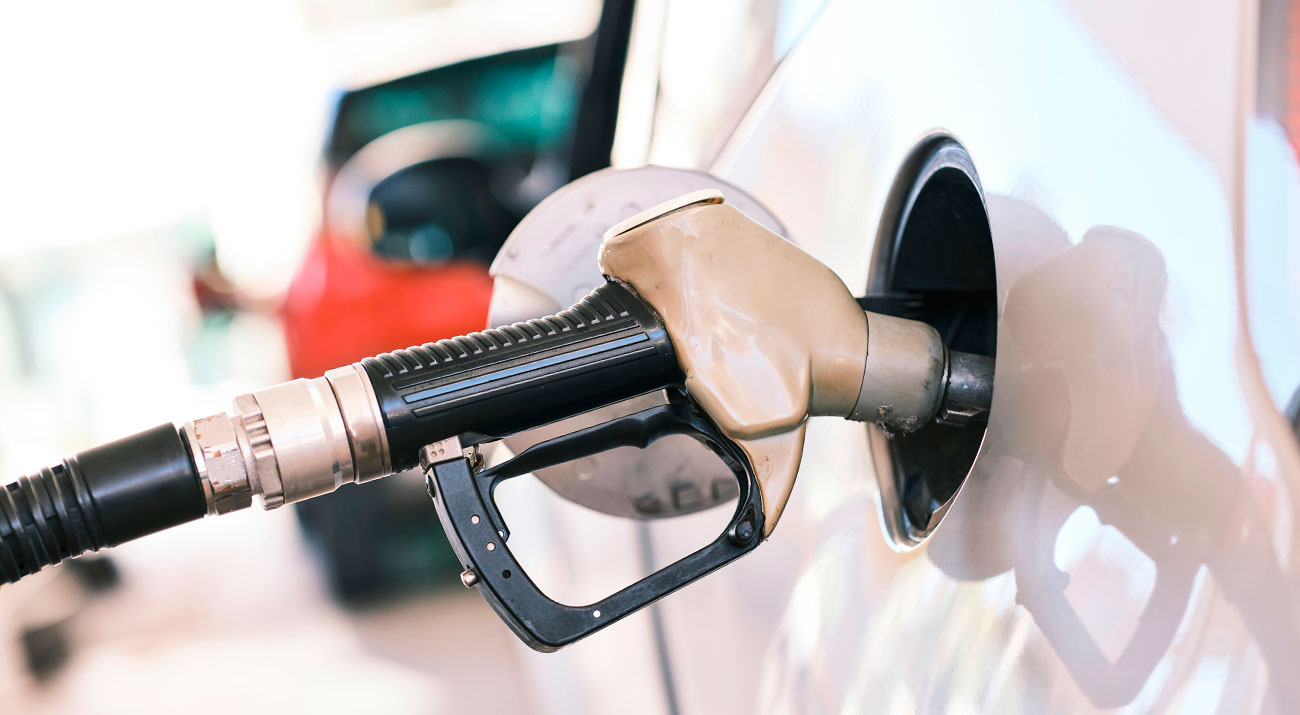
Within goods, energy did most of the damage, with wholesale gasoline surging 23.4% in May alone.
The 2.8% goods price jump was the largest ever recorded in a series dating to December 2009, per the Bureau of Labor Statistics.
The War's Reach Into the Supply Chain
After US and Israeli forces struck Iran on Feb. 28, Tehran shut the Strait of Hormuz. The closure triggered the biggest disruption to global oil supplies in history.
That closure has lifted costs for fuel, fertilizers, industrial chemicals, and consumer goods.
S&P Global Energy warned that US crude inventories are falling as the summer driving season begins. "Draws are likely to extend into the third quarter," said S&P Global Energy's Aaron Brady, even if a near-term diplomatic resolution materializes.
Core goods prices, excluding food and energy, rose 0.8% in May, the biggest monthly gain since April 2022.
Services prices climbed 0.3%, with freight transportation costs up 3.4% and airline fares rising 2.5%.
The Fed Is Running Out of Room to Wait
Headline CPI hit 4.2% year-over-year in May, its highest in three years. Gasoline rose nearly 41% from May 2025, and airfares climbed nearly 27%.
Economists project PCE inflation rose roughly 4.0% on an annual basis in May, which would be the largest increase since May 2023.
PPI components feeding the PCE calculation "rose by much more than we expected," Capital Economics' Stephen Brown wrote, supporting his forecast of a rate hike before year-end.
Brean Capital's John Ryding said the data should embolden Fed officials who favor a rate hike. The Fed is missing its inflation target by far more than its employment target, he added.
The Fed is expected to hold its benchmark rate in the 3.50%–3.75% range at next week's meeting. Traders are now pricing in a better than 60% chance the next move is a hike, likely arriving in December.
The unemployment rate held at 4.3% for a third straight month. Weekly jobless claims rose 4.0K to 229.0K for the week ended June 6.
Gasoline has been above $4 a gallon since March, and the summer driving season has just started. No resolution to the Iran conflict is in sight, and price relief looks distant.

