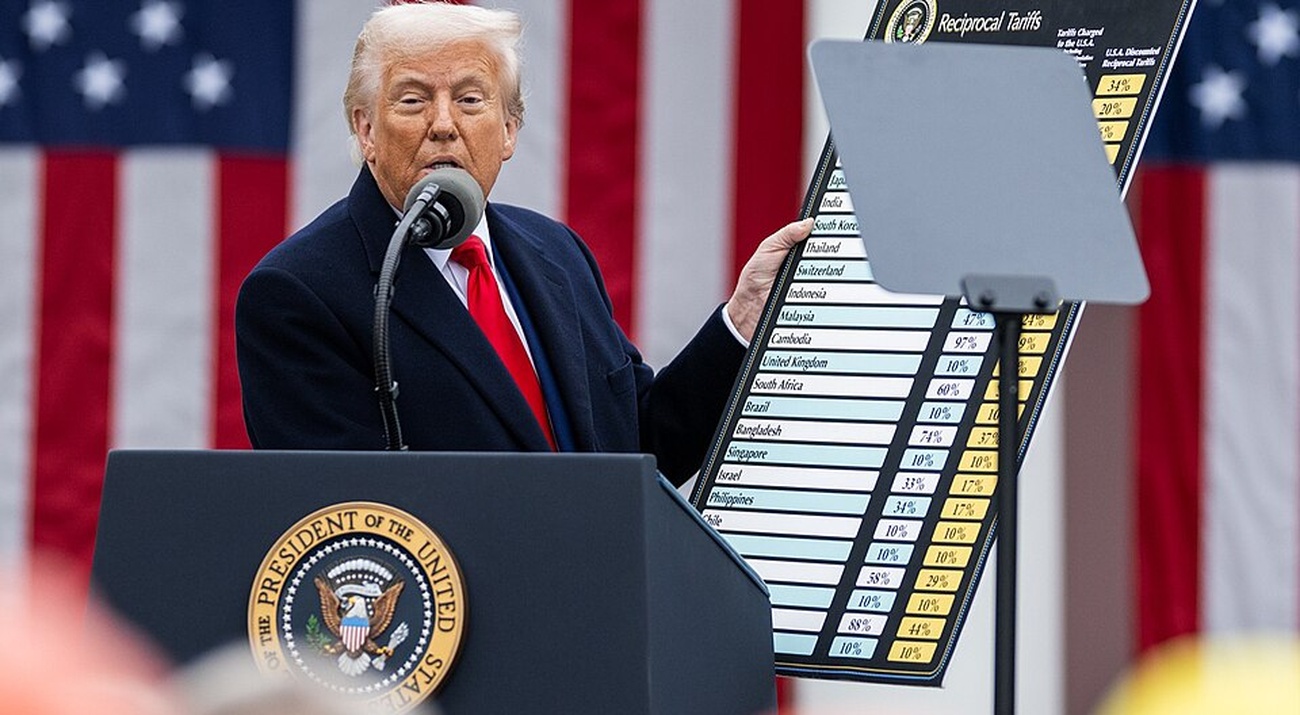
Trump's temporary 10% global tariff expires July 24, and the White House is moving fast to replace it with a more legally durable structure before the clock runs out.
The expiring tariff was imposed under Section 122 of the Trade Act of 1974, which caps tariff authority at 150 days. Congress is unlikely to extend it, given voter discontent over the cost of living and approaching Nov. 3 midterm elections.
The administration's preferred replacement is Section 301 of the same 1974 law, which lets the president impose tariffs on countries found to engage in unfair trade practices.
The forced labor gambit
The White House has already tipped its hand. US Trade Representative Jamieson Greer recently proposed Section 301 tariffs built around a forced labor investigation.
That covers roughly 99% of US imports. Rates are similar to or slightly above the expiring Section 122 levels, so most importers won't see a dramatic jump right away.
Trade attorneys expect the swap to happen with little to no gap. "Really, they're operating about as fast as legally possible," said Nathaniel Halvorson, a partner at Baker McKenzie and a former US trade official.
A second Section 301 investigation is still underway and expected to wrap later this year, potentially adding another layer of tariffs on top.
Why the rush matters for your wallet
The Supreme Court's February ruling that struck down Trump's original IEEPA-based tariffs as illegal has already cost the Treasury real money. The US has paid out $81B in tariff refunds so far this fiscal year, versus $5B in the same period last year.
Tariff revenue peaked at $31.4B in October 2025 before collapsing, and June saw a net $25.6B loss as refund checks outpaced incoming revenue.
There's also a business ripple effect. Analysts at the American Action Forum note a recent spike in US imports as companies stockpile ahead of the July 24 deadline.
That front-loading is expected to fade, with import volumes projected to drop roughly 5% in August and 6% in September versus 2025.
Section 301 tariffs carry more procedural constraints than the IEEPA levies Trump preferred. He can still adjust them, but only after clearing hearings and comment periods, limiting the on-a-whim swings that rattled businesses over the past year.
Legal challenges are likely. Analysts at Evercore ISI note that Section 301 has a solid legal track record, but no one has tried to use it to impose near-universal global tariffs before. That foundation has yet to be tested at this scale.

