Taxes Can Only Go One Way From Here, But You Have Time To Plan — Here’s What Might Be Next
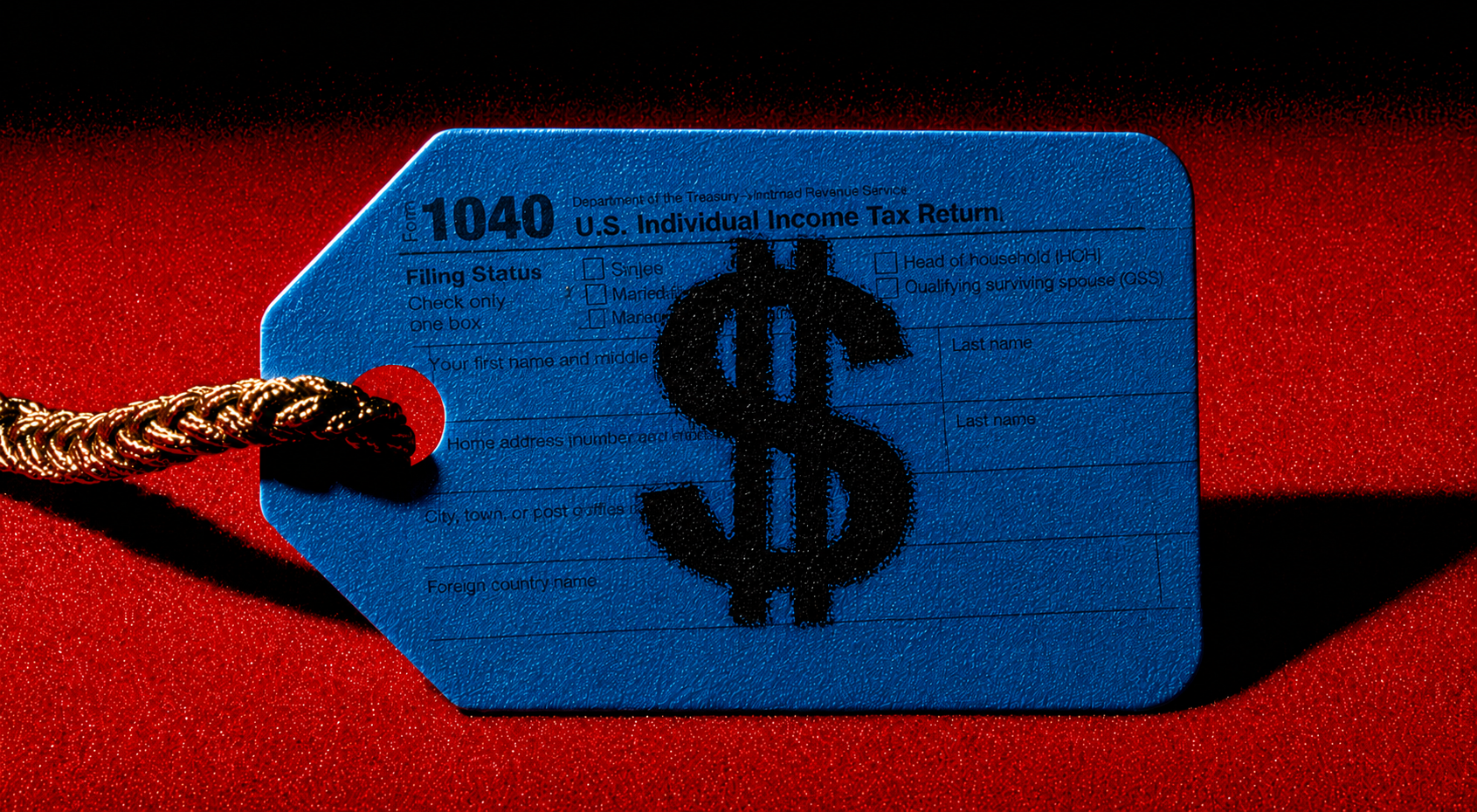
None of the “adults in the room” in Washington want to admit it, but US tax rates are near their lowest levels in a generation. That’s a problem, especially if the government keeps spending at its current pace.
For the past 70 years, taxes have generally moved lower while spending and debt have moved higher. It’s one of the few bipartisan traditions in Washington: push the bill into the future and let someone else deal with it.
But there’s no such thing as a free lunch. The US now spends over one-seventh of the federal budget on interest payments alone — money that could otherwise fund public services. As deficits and debt keep growing, that burden will only get heavier.
“This is just how it is” (for now): For many, this is the only system America has ever known — a decades-long project to undo the Income Tax, which first appeared in the 1900s. The Republican-passed tax bill merely continued this downward tax trend. Small problem: America likes to spend money, and Americans like services. Without new, untested, and controversial forms of revenue (like tariffs!), it’s only a matter of time before taxes have to rise. This tax talk is a major contention in financial planning. It’s more abstract than past topics we’ve covered (like why your Roth IRA/401(k) might actually be the wrong pick depending on where you live), but it’s worth thinking about even with so much uncertainty ahead.
- The last two major tax overhauls, the TCJA and OBBBA, promised a simpler tax code but kept many complex high-income tax breaks in place, while counting on tariff revenue that hasn’t materialized.
- With Democrats poised to lead the next round of tax reform, higher earners could face the biggest changes as lawmakers hunt for new sources of revenue.
What Democrats Might Do (Raise Taxes For Some)
Income tax rates probably won’t double overnight, but as Americans decide where to save for retirement, they should weigh the chance that rates climb higher by decade’s end. Some of these patches are more likely than others:
- The Social Security question: Democrats could eliminate the $185K payroll tax wage cap — one of the few taxes that has steadily increased since the 1960s — to shore up long-term funding for Social Security and Medicare.
- Taxes for thee, not for me: Leading Democrats seem to favor lowering taxes (through a higher standard deduction), but that would require raising marginal rates on higher earners — otherwise it would cost billions more than the OBBBA’s cuts saved.
- Patching tax glitches: Strategies like “buy, borrow, die” and the step-up in basis rule could face renewed scrutiny through estate tax reform.
- Chasing the “wealth tax” unicorn: Progressive Democrats are expected to keep pushing a billionaire wealth tax, though major legal and implementation hurdles remain.
So what do you do? There’s nothing you can do beyond making the most of every tax year — using retirement vehicles suited to where you live, and taking advantage of existing tax glitches and deferral strategies — while keeping an eye on the bigger picture. However, the likely view is that taxes (particularly on wealthy, well-off Americans) will likely rise in the near future. Whether that comes as full reform of marginal rates (which are far too low for current US spending) or just a patchwork closing of “tax glitches” is hard to say. But with deficits this large, nothing is off the table.

