Restaurant Chains Are Facing a Consumer Divide. These Companies Have an Advantage
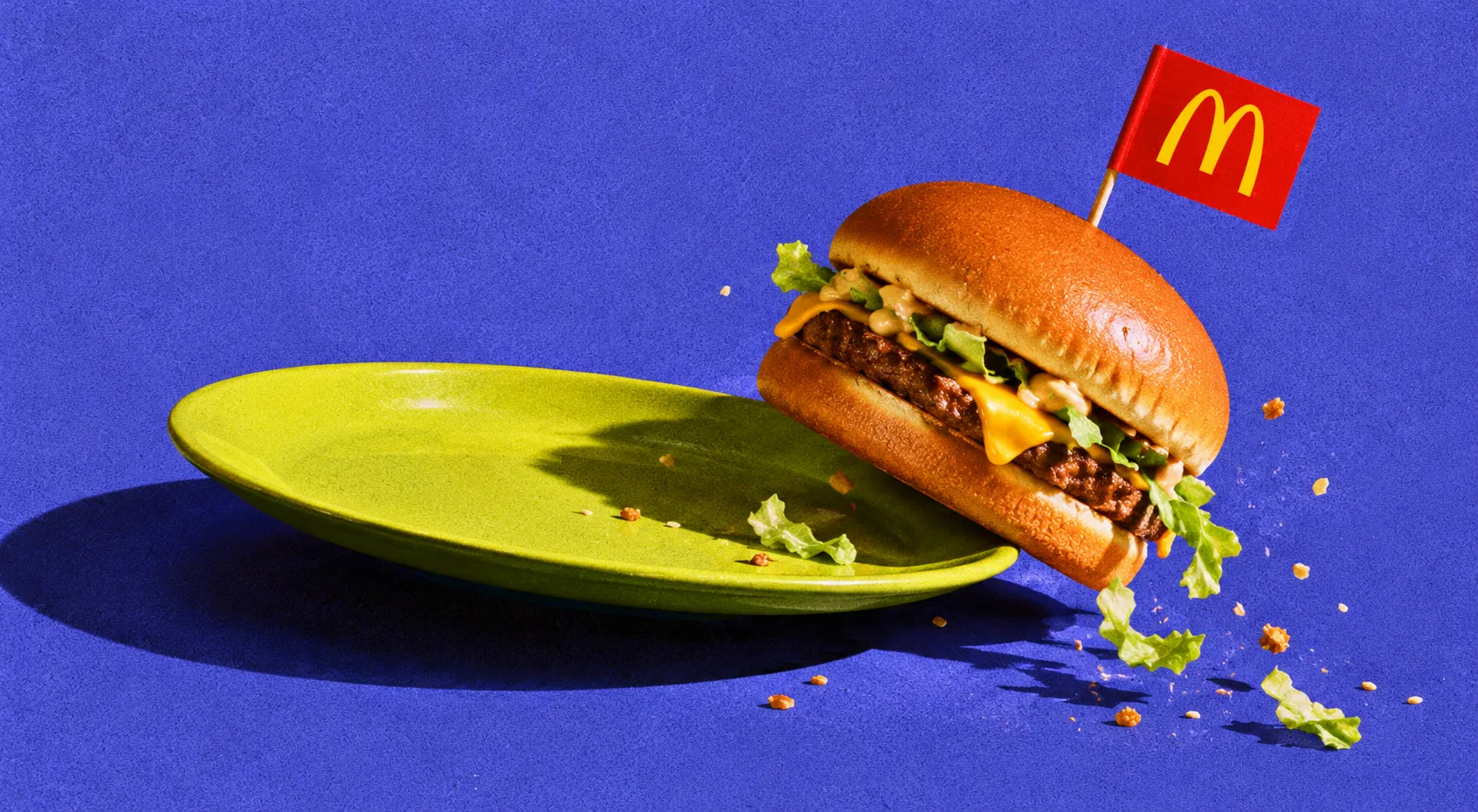
Restaurant companies are heading into earnings season with two very different business models under scrutiny. Some rely on a single chain to keep customers coming back, while others have several brands bringing in revenue when one starts to struggle.
With diners becoming more selective about where they spend, that difference is getting harder to ignore. And the latest results suggest that casual dining chains may have an advantage over their fast-food rivals.
Why owning more brands helps
Brinker International, Darden Restaurants, and Restaurant Brands International have something in common: They operate multiple restaurant brands, from Chili's and Olive Garden to LongHorn Steakhouse, Burger King, and Tim Hortons.
The advantage is fairly straightforward. When customers start visiting one chain less often, stronger performance elsewhere in the portfolio can help make up the difference. Companies relying on a single restaurant concept don't have that option.
Mizuho Securities analyst Nick Setyan sees Darden as a particularly good example of how that flexibility can work.
"If one business isn't doing well, the other ones are."
Nick Setyan, Mizuho Securities
Not every chain is keeping up
Darden's latest quarter shows why having multiple brands matters. LongHorn Steakhouse posted 6.2% comparable sales growth, comfortably ahead of Olive Garden's 1.1%.
The difference came down to customer visits. LongHorn benefited from 1.6% growth in guest traffic, alongside a 4.5% increase in average spending. Olive Garden, meanwhile, saw visits decline 2.2%, with higher checks keeping overall sales positive.
One Strong Brand Carries Each Portfolio
Latest reported comparable sales growth (%) by brand: Darden’s latest quarter, Restaurant Brands’ Q2 2026.
Bar chart. Comparable sales growth (%). Burger King US: Comparable sales growth (%) 8.50%. LongHorn: Comparable sales growth (%) 6.20%. Olive Garden: Comparable sales growth (%) 1.10%. Tim Hortons Canada: Comparable sales growth (%) 0.10%.
Restaurant Brands is experiencing a similar split. Burger King's US comparable sales growth accelerated to 8.5% in the second quarter from 5.8% in the first, while Tim Hortons Canada's growth slowed to just 0.1% from 1.5%.
That leaves Burger King doing much of the heavy lifting. Setyan has suggested Restaurant Brands would be in a considerably weaker position without the chain's recent performance.
Diners are choosing sit-down meals
The broader industry is seeing a shift in where Americans eat. Quick-service restaurants have been struggling to attract customers, with traffic declining 2.6% last quarter.
McDonald's expects third-quarter same-store sales to fall, while Wendy's is heading toward another period of negative growth.
Sit-down restaurants have fared better. OpenTable data shows independent restaurant reservations are up 11% this year, while publicly traded full-service chains outperformed limited-service operators last quarter.
The industry's approach to discounts is changing, too. After years of aggressive promotions, restaurant companies are becoming more cautious about cutting prices. BTIG analyst Peter Saleh argued in October that the deep discounting war has largely ended, even though value remains important.
McDonald's acknowledged in August that its $3 and Under menu hadn't gained much traction. Wendy's CEO Bob Wright also criticized the complexity of its Biggie Bag promotions, while Burger King has focused on improving products like the Whopper and chicken nuggets instead.
Multi-Brand Operators Pull Away From Single-Chain Rivals
Year-to-date share price change (%) at month-end closes, as of Oct. 23, 2026.
- Brinker
- Darden
- Restaurant Brands
- McDonald’s
- Chipotle
Line chart. YTD change (%). 2025-12-31: Brinker 0%, Darden 0%, Restaurant Brands 0%, McDonald’s 0%, Chipotle 0%. 2026-01-30: Brinker 9.90%, Darden 8.30%, Restaurant Brands -1.80%, McDonald’s 3.10%, Chipotle 5.10%. 2026-02-27: Brinker 3.30%, Darden 16.20%, Restaurant Brands 5.10%, McDonald’s 11.60%, Chipotle 0.60%. 2026-03-31: Brinker -0.50%, Darden 6.50%, Restaurant Brands 8.30%, McDonald’s 1.70%, Chipotle -13.50%. 2026-04-30: Brinker 6.10%, Darden 9%, Restaurant Brands 18.20%, McDonald’s -3.90%, Chipotle -8.10%. 2026-05-29: Brinker -0.80%, Darden 10.80%, Restaurant Brands 9.50%, McDonald’s -8.60%, Chipotle -13.90%. 2026-06-30: Brinker 17.10%, Darden 11.90%, Restaurant Brands 6.30%, McDonald’s -11.60%, Chipotle -8.10%. 2026-07-31: Brinker 48.90%, Darden 10.60%, Restaurant Brands 8.50%, McDonald’s -11.40%, Chipotle 0.60%. 2026-08-31: Brinker 59.20%, Darden 16.40%, Restaurant Brands 14.10%, McDonald’s -13.80%, Chipotle 2.80%. 2026-09-30: Brinker 34.80%, Darden 5%, Restaurant Brands 4.20%, McDonald’s -24.40%, Chipotle -13.60%. 2026-10-23: Brinker 27.50%, Darden 14.90%, Restaurant Brands 10.10%, McDonald’s -19%, Chipotle -25.90%.
What investors should watch next
Darden's recent results offer another reason to pay attention to diversified operators. Yard House surpassed $1B in annual sales for the first time, becoming the company's third brand to reach that milestone.
Its 10% same-restaurant sales growth was also the strongest across Darden's portfolio. CEO Ricardo Cardenas has said consumer spending patterns remain relatively stable across its casual dining brands.
Brinker, meanwhile, has its fiscal first-quarter 2027 earnings scheduled for Oct. 28. Investors will be watching Chili's customer traffic, debt reduction, and cash generation following S&P's improved outlook.
Chipotle and Wingstop are also due to report next week. Chipotle enters earnings after posting 2.2% same-store sales growth in the second quarter, its strongest result in six quarters.
Still, running several chains doesn't automatically make a restaurant company a better investment. Darden's dividends and share repurchases exceeded its cash remaining after property spending by $301.3M last quarter, with $285.9M in commercial paper borrowing helping cover the shortfall.
The upcoming reports should give investors a clearer picture of which restaurant companies are attracting more customers without stretching their finances. Having multiple brands can soften a slowdown, but sustained traffic growth and healthy cash flow will matter just as much.

