
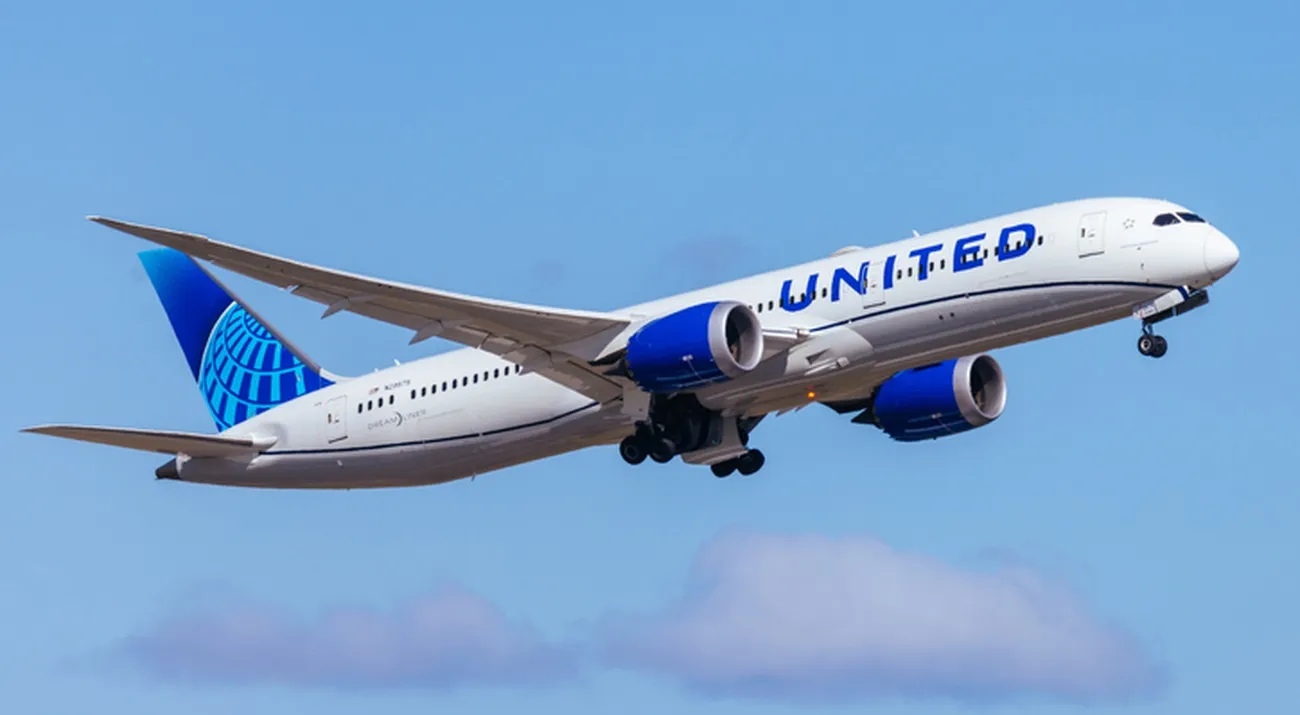
The Chicago carrier became the first major US airline to wall off its booking system from third-party AI agents, and it can cancel the reservations those agents make.
United Airlines announced the change on Nov. 11 and wrote it into its Contract of Carriage, covering bookings, changes, and servicing even when a passenger supervises the agent. Rule 6.J.6 puts AI agents on the airline's list of prohibited ticketing practices, and the definition is broad, covering AI assistants, standalone agents, and AI-enabled browsers.
United said shared credentials can expose sensitive information and that agents may trigger unintended purchases, account changes, or MileagePlus redemptions. The carrier flagged federal rules it says only a human can satisfy, including the check-in step where a traveler confirms their bags carry no banned substances such as explosives. The restrictions cover United's own apps and site plus indirect access through online travel agencies and aggregators.
Rivals are going the other way. Southwest made its flight inventory viewable to ChatGPT users, and OpenAI bought AI travel agent Odessia. AI agents and travel platforms have their own history.
Banks got there first
JPMorgan Chase, Bank of America, and Citi have all blocked AI agent access to customer accounts since mid-October, and Fifth Third blocks them too. Wells Fargo took a softer route, treating agent-initiated transactions as authorized unless the customer flags them, under an agreement effective Nov. 24.
Blocking AI Agents Is the Default Across Banks and Airlines
Companies named in the sources by stated stance on third-party AI agent access, as of Nov. 11, 2026
Bar chart. Companies. Bars or blocks agents: Companies 5. Shifts risk to customers: Companies 1. Opens an agent-friendly lane: Companies 2.
Source: Skift, CBS News, Simple Flying, Banking Dive, Ecommerce Paradise
American Express is running both tracks. Its terms tell cardmembers not to share credentials with any automated tool or AI agent, while its Intent Intelligence Framework, introduced on Oct. 13, lets a registered agent pay with a tokenized credential tied to limits the customer sets. Amex has described Agent Purchase Protection as a future commitment covering charges from agent error, with no launch date or dollar limits.
The blocking wave isn't a response to proven losses. Axios reported banks found agents inside accounts taking actions beyond their instructions, and Amex has said it hasn't seen more disputes tied to agentic commerce. AI agents' retail spending has its own forecast.
The fight is over who owns checkout
Identity firm Socure counts 19 of the top 20 US banks as customers, and its chief executive expects roughly six months before lenders settle clear agent protocols.
PNC CEO Bill Demchak said the industry is years away from handing agents control over transaction outcomes because the liability framework doesn't exist.
Commercial motives sit alongside the safety case. Flight searches cost airlines money, and United would rather not absorb a surge of automated bot queries, aviation analyst Henry Harteveldt told CBS News. United CEO Scott Kirby put it plainly at a Chicago event, saying he doesn't want to create another middleman.
United fares stay bookable through Kayak, Hopper, and Google Flights. The agents just can't press the button.

