
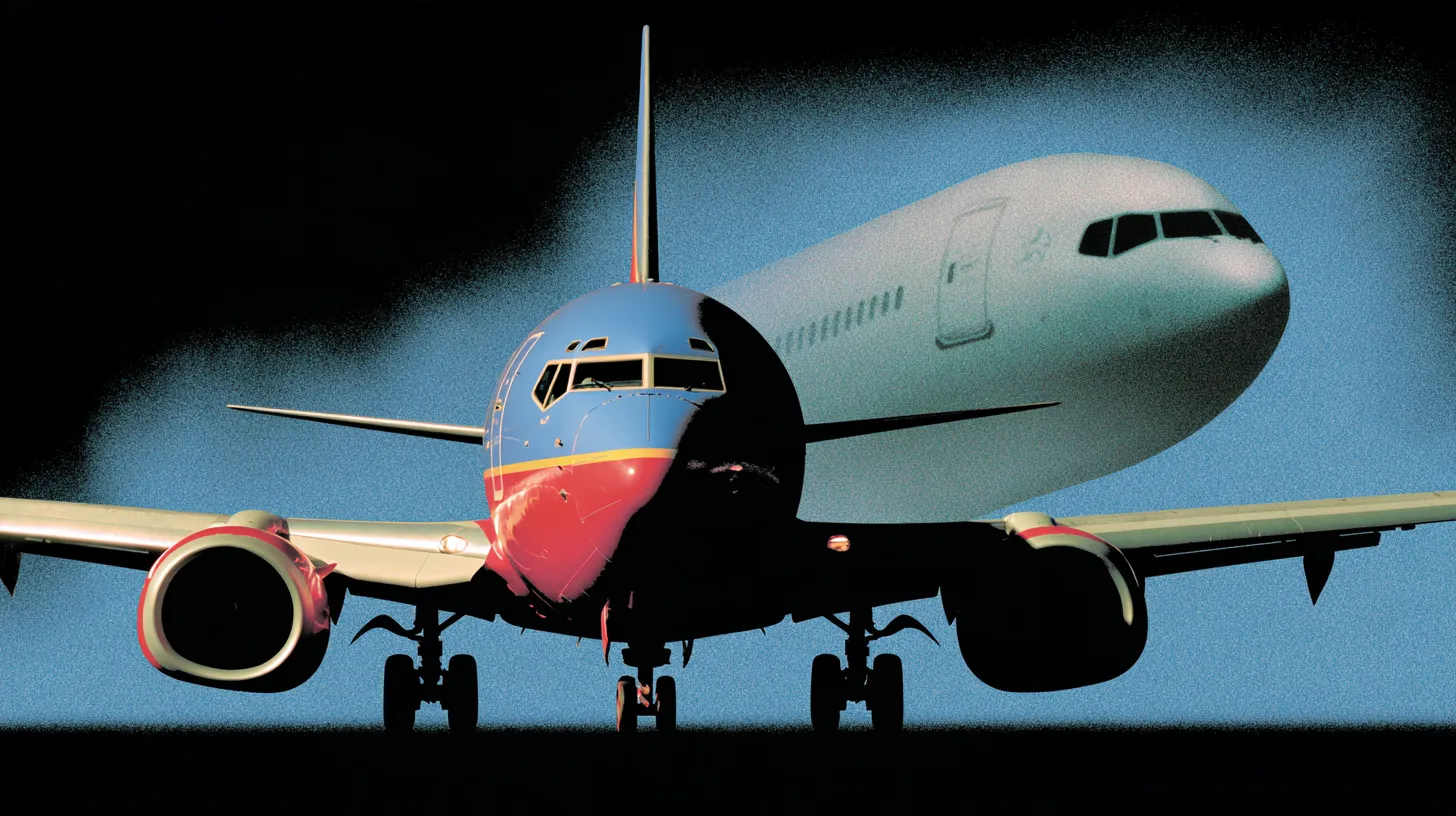
An activist investor descended on Southwest in 2024. By the time it was through with this “company with heart,” it was devoid of everything that made it unique.
Business has boomed, investors have taken their cash to the bank, and customers have been left with a completely different, inferior experience — we called it Southworst back in June.
Southwest has lost the free bags, open seating, and never-expiring credits and points. Now it might be about to add something genuinely new.
The future is long-haul
We've been watching Alaska Airlines, which bought Hawaiian Airlines in 2024, embrace international ambitions after decades of operating a 737-heavy fleet as a regional player. Its reason was simple: compete or perish. Amid rapid premiumization, stiffer network competition, and customers demanding stronger loyalty economics, Alaska introduced its own metal rather than deferring to airline partners. Southwest has felt similar pressures, and it appears to be taking after the West Coast heavyweight.
- Rumors abounded that Southwest would follow in Alaska's footsteps, but industry writer Enilria first gave the theory legs by reporting that the airline could lease ailing Norse Atlantic's 787s.
- 15 months later, Reuters reports that Southwest is weighing long-haul international flights with “a fleet of dozens of 787s,” which would likely come through leases or second-hand purchases since the Boeing 787 is sold out through decade-end.
The long arm of airlinedom leans towards owning the journey
Southwest has been wrong about a lot of things, but it likely isn't wrong here — it probably can't contend with other US carriers without a strategy to own more of a customer's journey. Southwest has long been an airline for leisure travelers, but it isn't seen as a premium player.
- Old Southwest isn't coming back: The airline has quarreled with how to go premium, and absent plans to introduce airport lounges, it's unclear what the future holds without embracing the models already popular with other major airlines.
- Partnerships don't let you own the journey: Alaska had oneworld and various airline partners, but as Southwest has begun building that infrastructure from scratch, it has likely learned the pitfalls that pushed Alaska to fly its own metal.
- Affluents want to go the distance with you: How Southwest would use a widebody in its strategy isn't clear yet, though it'd likely be going overseas — and the reason comes down to owning more of a traveler's journey.
The biggest misconception: Many people, especially in the travel media, misunderstand that flying itself has always been a luxury activity. Yes, it has become more accessible, but roughly half of Americans don't fly at all in any given year. It's expensive, and that means decisions are guided primarily by affluents — folks who likely focus on Delta or United instead. Without a course correction, that might never change.