Trump's Metal Tariffs Are Creating Winners and Losers. Here's What Investors Should Watch
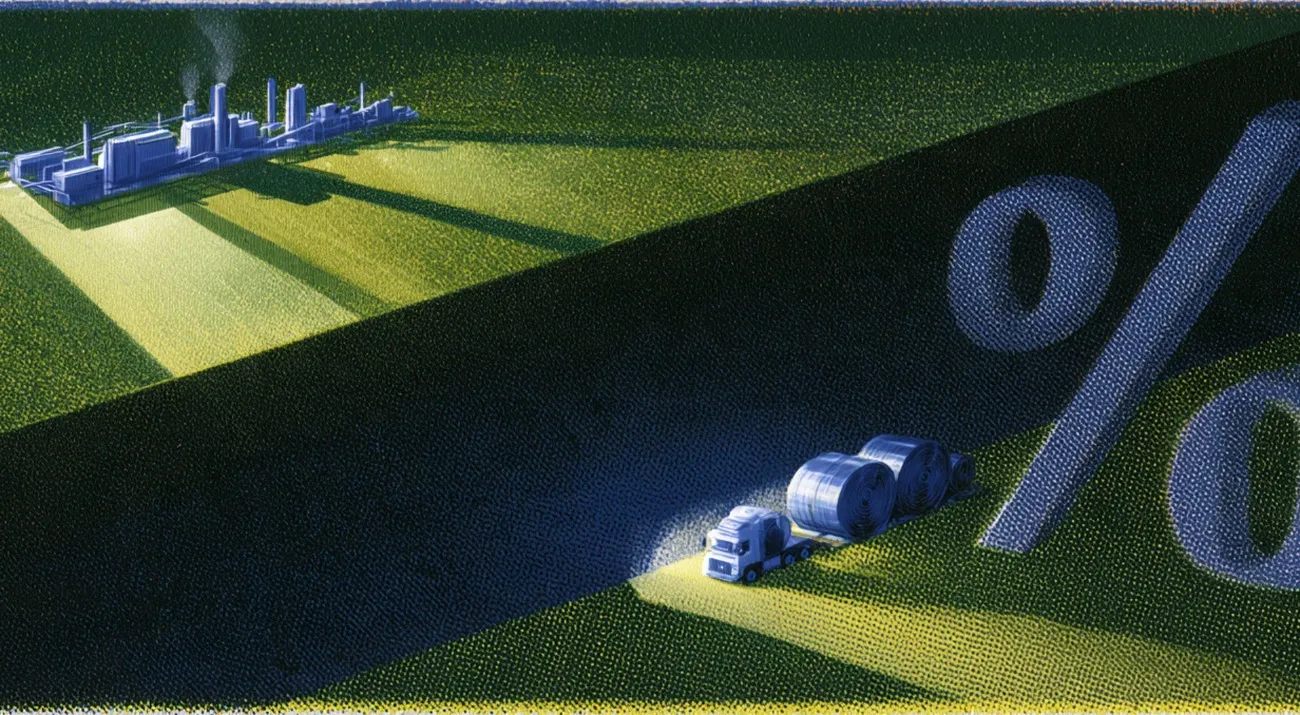
US metal policy keeps getting tighter, and the latest changes reach further down the supply chain. Washington has adjusted duties on steel, aluminum, and copper, while the Commerce Department has expanded its list of covered derivative products, bringing more finished parts into the tariff net.
What the proclamation changes
The presidential proclamation adjusts duties across all three metals, while Commerce has expanded the list of products subject to Section 232 tariffs.
Derivatives are the key word. These are products made from steel or aluminum rather than the metal itself, and the Bureau of Industry and Security has issued technical corrections clarifying the scope.
The tariff wall sits at 50%, and US domestic prices now run $805/tonne above world export prices.
Who collects the premium
That price gap benefits companies that produce steel inside the US. Imports from Canada, Mexico, and Brazil have fallen, while domestic capacity is expanding through direct reduced iron and electric arc furnace mills.
Nucor has been among the clearest beneficiaries. Its steel mill earnings surged as higher prices and shipments supported results during 2026.
Steel Dynamics sits in the same bucket. Both benefit from what analysts describe as a regionalization premium, meaning buyers pay more for metal produced within the protected US market.
The downstream squeeze nobody advertises
The same policy that lifts mills pressures the companies buying their output. Nucor's downstream finished products business faced margin pressure even as its mills delivered stronger earnings.
Fabricators that rely on imported inputs face a sharper squeeze. Import-dependent manufacturers have been warned of margin pressure alongside broader inflationary risks tied to restrictions affecting North American supply chains.
The administration's push for metal to be mined, melted, and poured in America reinforces its focus on domestic production. But higher domestic prices also raise costs for manufacturers that depend on steel and aluminum.
How to read the exposure
The tariff trade splits along one line. Companies that make metal benefit from higher domestic prices, while companies that buy metal face rising input costs.
US Trade Representative Jamieson Greer pushed the broader tariff agenda at the G20, reinforcing the administration's commitment to trade protection. Expanded derivative coverage also shows how the policy reaches beyond raw materials.
The risk cuts both ways. A $805/tonne premium invites political pressure from manufacturers, and domestic capacity additions eventually compete with each other for the same protected market.
Sizing exposure here comes down to one call: whether the 50% tariff wall holds long enough for new capacity to earn back its construction cost.

