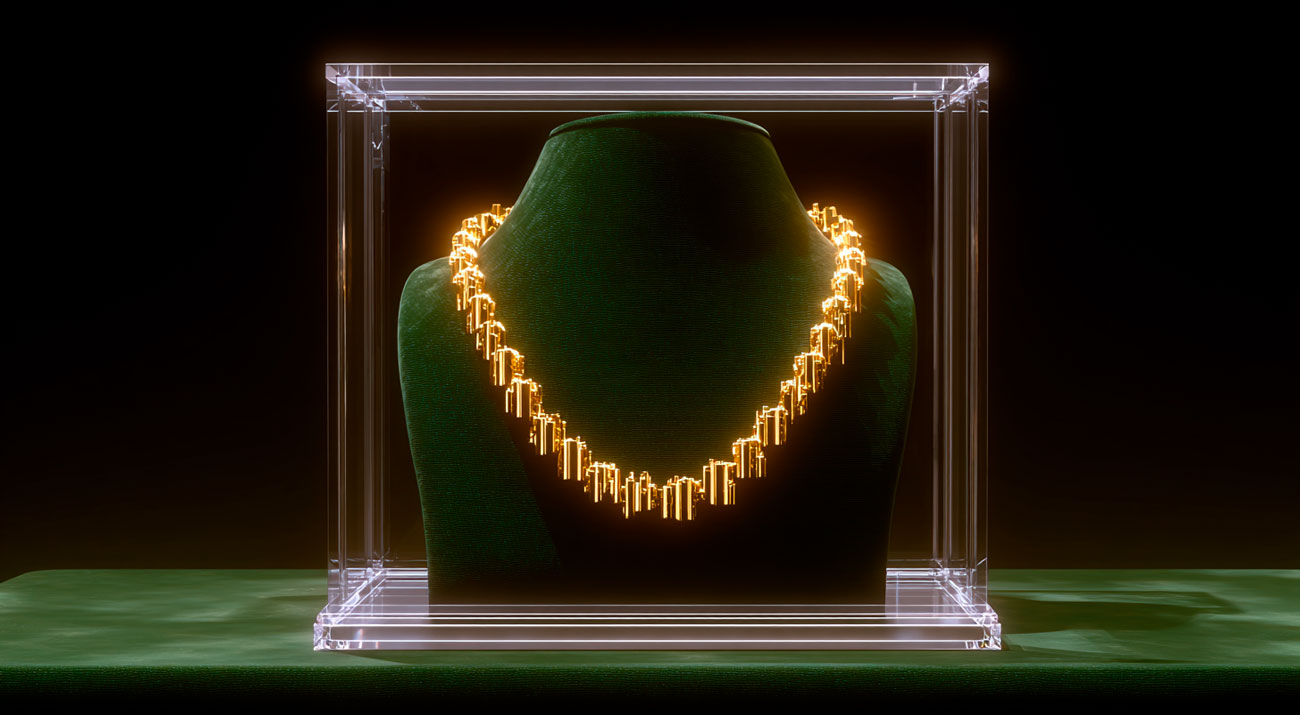
America’s retail graveyard is suddenly producing signs of life in unexpected places. Kohl's is building its second act on store-exclusive brands, fine jewelry, and a toy line built around Korean pop culture demons. The company is betting that the combination can pull a department store back from its worst decade in memory.
Losing the value customer entirely
The structural problem at Kohl's was identity. In 2024, Jefferies analysts attributed the chain's weakness to leaning too hard into pricier nationally sold brands, which effectively raised prices for shoppers across the board.
That strategy collided directly with who Kohl's actually serves. Its core customer is lower- and middle-income, and when the value gap narrowed, they went elsewhere.
The damage compounded over years of leadership shake-ups and persistent sales declines, sending the stock to lows not seen since the 1990s.
Shoppers too frequently couldn't find what they were looking for inside stores, CEO Michael Bender acknowledged, which drove them out empty-handed and pushed digital sales ahead of in-store. The inventory problem reinforced the pricing problem — and both fed the same result.
What this playbook has produced before
The department store category has been cycling through the same turnaround playbook for years. Shop-in-shops, national brand partnerships, and experiential concepts were all supposed to bring foot traffic back. None reversed the category-wide slide.
Kohl's ran its own version of this experiment. Its Sephora shop-in-shops were once a core traffic driver and are now underperforming, with the company now adding Korean skin-care brands to try to revive the concept.
The pattern across the category is consistent. National brands lift average ticket prices but shrink the value gap that makes a mid-tier department store relevant to its shopper. Every chain that leaned into them found this out eventually.
Private label as the structural bet
Bender's thesis runs in the opposite direction. Rather than expanding choice through external brands, the current strategy cuts styles and deepens inventory in proprietary lines, ensuring shoppers can find and buy what they came for.
Private-label comparable sales rose 6% year-over-year in Q1 2026, with brands including Lauren Conrad, Vera Wang, Nine West, and FLX driving gains across men's, women's, and kids' categories.
Credit card customers, among the chain's most loyal, moved from down roughly mid-teens earlier in 2025 to roughly flat in Q1 2026. That recovery in a high-loyalty segment typically signals broader brand health before it shows up in headline numbers.
The expansion plans layer on top of the proprietary thesis. Kohl's is rolling fine jewelry out to 350 more locations and adding 56 new Babies R Us shops inside stores this fall. Parents tend to keep spending on their kids even under budget pressure, per Bender.
Even though Kohl's posted its best comparable sales result in four years this week, revenue still declined. Still, Fitch Ratings senior director David Silverman called the results a step in the right direction, while adding that "there remains a long road ahead for Kohl's to prove it can successfully stabilize market share."
One windfall still waiting to land
Outside the core earnings narrative sits a number that hasn't moved markets yet. Kohl's has confirmed it applied for tariff refunds and is eligible for roughly $190M in returns, none of which has been received.
If that cash arrives, it gives Bender a meaningful buffer to accelerate the inventory build and expand new categories faster than the current operating margin supports. Timing remains entirely uncertain.
Kohl's stock is still trading roughly 80% below its 2018 record close. Kohl’s still has a mountain to climb, but at least it might not be sliding downhill anymore.

