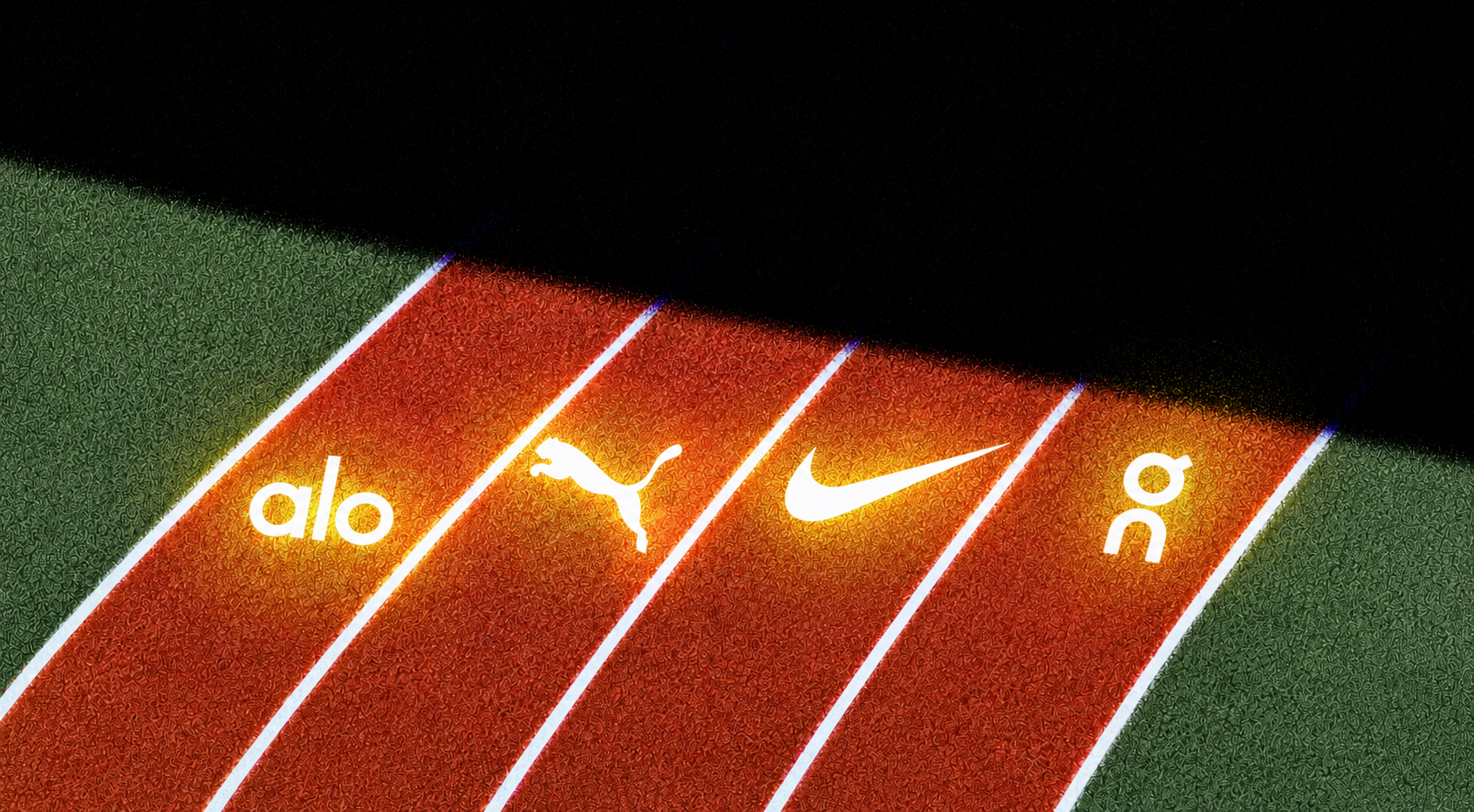
China's consumer economy has been a tough place to be. Luxury brands are losing momentum, foreign automakers are giving up market share, and shoppers have become far more selective. One exception stands out: athletic apparel and fitness gear.
The change has been building for years. More people are running, joining gyms, and taking up recreational sports, while a growing middle class continues to spend on health and wellness. That has made sportswear one of the few consumer categories where Western brands are still expanding.
China's fitness obsession is not a fad
Marathon participation in China has doubled since 2017 to more than 1M participants. Hyrox, a strenuous fitness competition, had 55K participants in China this past year, up from 7.3K the year before.
Padel and pickleball courts are spreading across smaller cities. Yangshuo, long a destination for foreign rock climbers, now draws office workers from Shanghai and Chongqing.
This isn't just recreational. Athletic wear has become an aspirational fashion category for China's urban middle class, including people who don't exercise at all. That dynamic is driving sales of everything from yoga pants to premium running shoes.
"Health is kind of the new wealth in China."
Rebecca Cai, On
Swiss running brand On reported that quarterly sales in Greater China exceeded the Asia-Pacific regional growth figure of 44%.
Puma, the official apparel partner of Hyrox, reported a 9% jump in Greater China revenue in the first quarter.
Amer Sports, parent of Salomon and Arc'teryx, saw Greater China sales grow roughly 45% year-over-year in its latest quarter.
The winners circle
Lululemon has found especially fertile ground in China, where yoga and Pilates have surged among affluent urban women.
China accounts for more than half of LULU's planned store openings outside North America this year. The company expects double-digit sales growth there to continue, even as its US business struggles.
Meanwhile, LA-based Alo, a direct rival, has been gaining buzz on Chinese social media after travelers brought its gear home from abroad. Alo opened Chinese social media accounts recently and announced its China entry on WeChat.
A BNP Paribas retail analyst described the dynamic plainly: "Lulu was the only real premium brand in China for years and you're starting to see real competition."
Homegrown brands are also scaling fast. Maia Active, owned by Chinese sportswear giant Anta, offers lower-priced athletic clothing designed for Asian body proportions.
Running shoe brand Li-Ning has become one of the country's biggest sports shoe labels among competitive runners. Xtep, another Chinese brand, owns the China business of Saucony and sells its own shoes across a range of price points.
Nike's China problem is getting worse
Nike presents the starkest contrast. The brand has been dominant in China since at least the 1990s. But its revenue in China and Taiwan over the last fiscal year is down 29% from its peak five years ago.
The BNP Paribas analyst called it the "microbrew effect": Chinese consumers are chasing newer, fresher brand identities.
Nike says it's responding by introducing Chinese-designed products and pushing the brand in a more premium direction. It's also targeting fast-growing sports like Hyrox with dedicated training camps.
On a recent earnings call, Nike CEO Elliott Hill said the company remains committed to serving the Chinese consumer through sport. Whether that's enough to reverse five years of share loss to local competitors is a separate question the data doesn't yet answer.

