US manufacturing activity registered 54.5% in September, down 0.1 percentage point from August's 54.6%, the Institute for Supply Management reported Oct. 1.
That marked the ninth consecutive month of expansion for the sector. Readings above 50% signal growth.
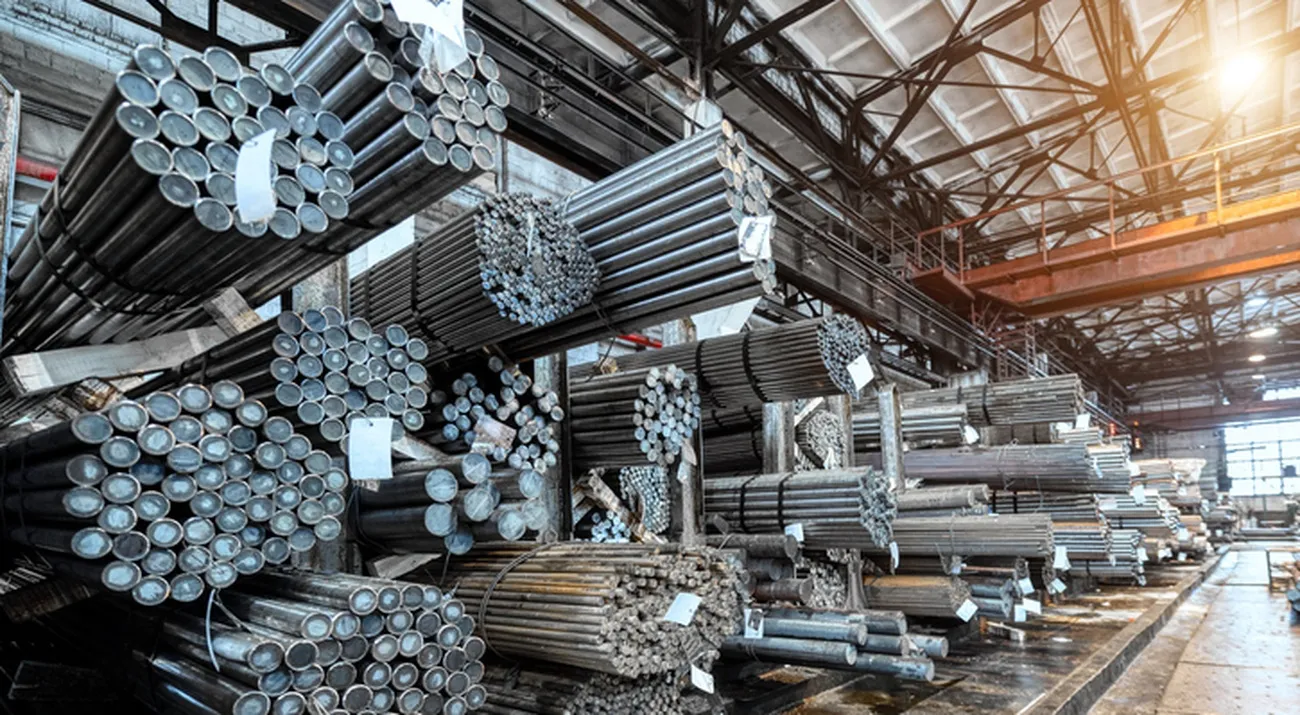
The prices index jumped 6.8 points to 77.9%, up from 71.1% in August and well above analyst estimates of 72.9%, driven by steel and aluminum costs, tariffs, and petroleum-based products. Analysts polled by The Wall Street Journal had expected a reading of 54.9.
Price volatility dominated the negative comments
Pricing volatility appeared in just under half of all negative survey comments, while 34% of respondents flagged tariffs and 30% cited the impact of the Iran war.
Overall, 40% of comments were positive and 60% negative. Institute for Supply Management's Susan Spence tied the pressure directly to trade policy, saying trade wars are really what is affecting inflation.
Vital Knowledge analysts called the inflation number the big takeaway, warning September price readings for the overall economy are likely to be quite hot.
Demand held up underneath the headline
New orders climbed 1.6 points to 55.3%, expanding for a ninth straight month after four readings in contraction. Employment rose 1.5 points to 52.7%.
Production remained in expansion but slowed from August. Only new orders and employment grew faster than the prior month, per Spence.
Factory backlogs rose to 56.4 from 51.8, with firms citing a surge in semiconductor, electronics, and government orders as companies race to secure chips for AI data center buildouts.
Supplier deliveries slowed for the 10th month in a row, with the index at 59.0 still pointing to significant supply bottlenecks.
Five of the six largest manufacturing industries reported growth. The separate S&P Global US Manufacturing PMI came in at 55.9, up two points.
Prices paid are not part of the composite index, so the sector can keep expanding while input costs climb.
RSM expects momentum to be disrupted by rising interest rates over the next couple of quarters, with manufacturing among the sectors most sensitive to borrowing costs. Some respondents said higher rates are already hitting new construction projects.
A summer inventory buildup may cushion the next few months, leaving the tariff and energy cost pass-through as the number to watch.

