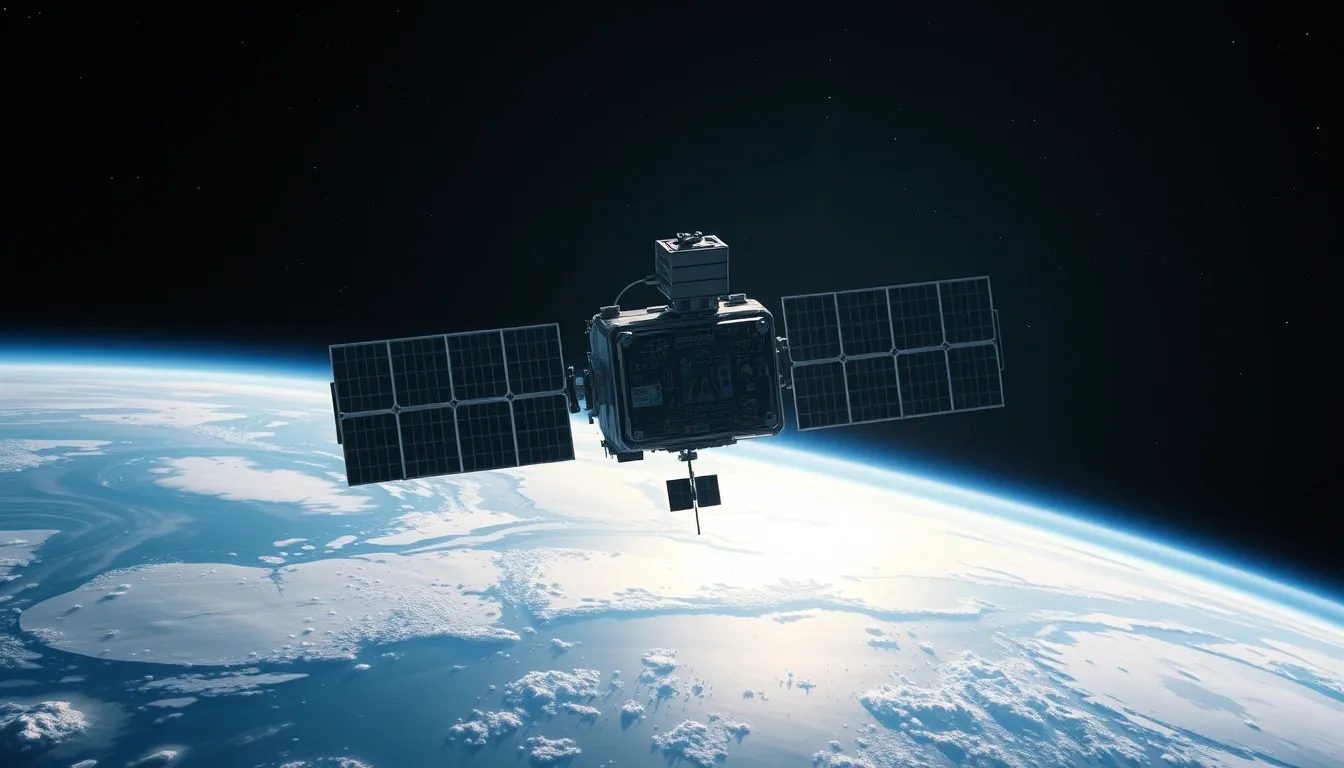
Alphabet is taking its tensor processing units into orbit aboard a SpaceX Falcon 9 rocket for the first in-orbit test of Project Suncatcher.
The chips are riding on a Planet Labs satellite as part of SpaceX's Transporter-18 rideshare mission.
The MVP satellite carrying the chips is roughly refrigerator-sized and holds four of Google's custom TPU accelerators.
Google will run Gemini models on them, though not continuously, because the cooling system works only in spurts of roughly 15 minutes.
The mission is designed to gather in-orbit data on how the chips handle vibration, radiation, and thermal extremes.
Early ground testing was encouraging. Google says its Trillium TPUs survived a radiation total ionizing dose greater than a five-year space mission would deliver.
The appeal is sunlight, the obstacle is launch cost
In low Earth orbit, satellites catch near-constant sunlight and can generate up to eight times more solar power than equivalent hardware on Earth.
That advantage only pays off if rockets get cheap. Google's own research says an orbital data center matches a ground one on energy cost once launch prices drop below about $200 per kilogram, a threshold it dates to the mid-2030s.
A Falcon 9 flight today runs some $2,700 per kilogram. Starship is targeted toward $100 per kilogram with payloads above 100 tons.
Industry experts call space-based data centers a far-out mission, with launch costs, cooling, radiation, and extreme temperatures still standing in the way.
SpaceX is both the launcher and a competitor
SpaceX plans its own orbital data centers, with satellite hardware including graphics processing units and solar panels made in partnership with Tesla.
Its first Starmind AI satellites, powered by Nvidia chips, are targeted for the fourth quarter of 2027. SpaceX also has agreements with Google and Anthropic that give them access to its computing infrastructure.
The ties run deeper. Alphabet owns about 6% of SpaceX, with its second-quarter filing putting the stake's value at $94.1B.
For now, Alphabet is testing four chips in orbit that can't stay cool for more than a quarter of an hour at a time. The economics arrive next decade, if they arrive at all.

