Hormuz Strikes and Frozen Assets Put a Fragile US Iran Peace Deal at Risk
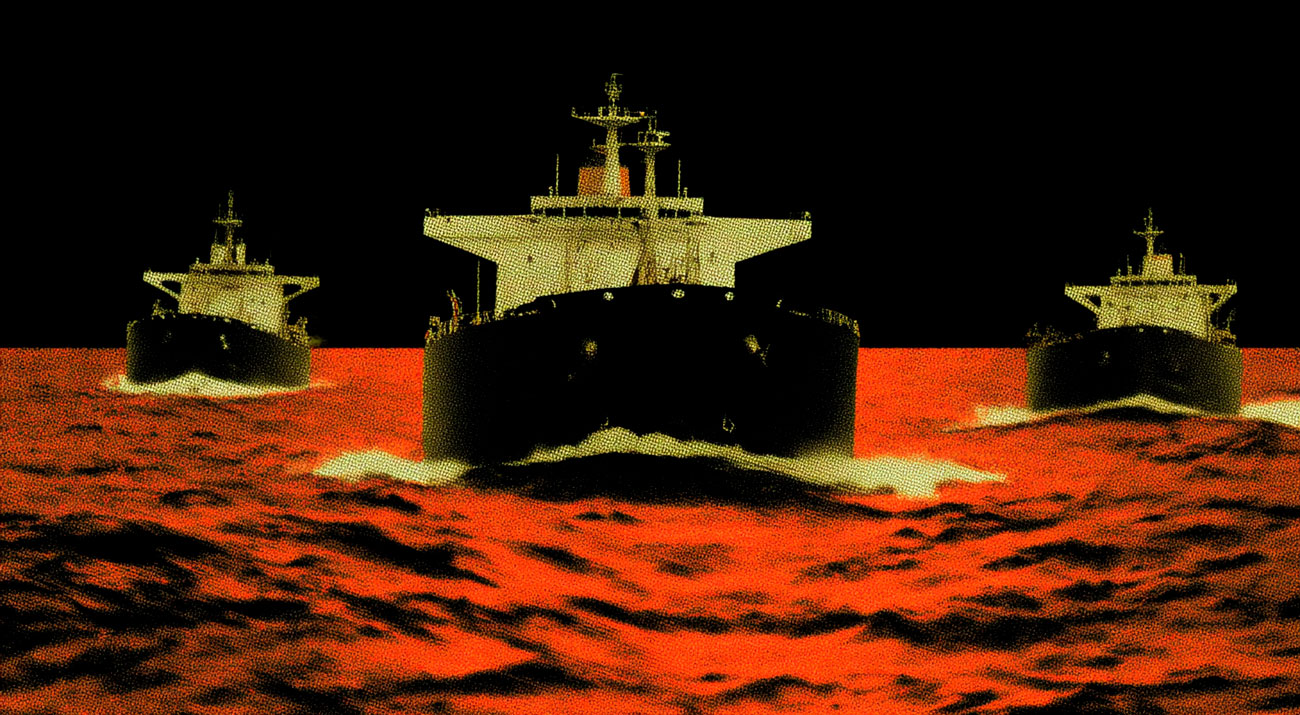
US and Iranian forces exchanged overnight strikes near the Strait of Hormuz on May 26, 2026.
The US military said it conducted self-defense strikes in southern Iran, targeting missile-launch sites and boats attempting to lay mines in the strait.
Iran's Islamic Revolutionary Guard Corps said it fired on an F-35 fighter jet and several drones after they entered Iranian airspace.
The IRGC also claimed it downed an unmanned MQ-9 Reaper drone and forced other aircraft to flee.
Several Iranian personnel were killed in attacks on vessels near Larak Island, per Iran's state-run Nour News.
Brent crude climbed 2.9% to just below $100 a barrel on Tuesday. Prices remain down on the week on signals that an interim deal is getting closer.
The conflict began with a US-Israeli bombardment of Iran in late February 2026. It has pushed energy prices and gasoline costs sharply higher and is driving up inflation globally.
The Troubling Problem
One central sticking point is Iran's $24B in frozen assets, with Tehran demanding half released the moment any agreement is signed.
That demand is drawing pushback from Iran hawks in the US. They're wary of granting the Islamic Republic financial relief before a durable deal is secured.
Secretary of State Marco Rubio said Tuesday that finalizing terms would likely take a few more days. He described "a lot of talking back and forth" over specific document language.
Iran has publicly rejected US demands that it surrender or destroy its stockpiles of highly enriched uranium. It has signaled those stocks could be transferred to a third country.
Tehran has also resisted granting ships free passage through Hormuz, with Iranian officials proposing fees for navigation services instead.
Lebanon adds another layer of difficulty, with Iran demanding a ceasefire there while Israel insists on retaining freedom of military action in the region.
Slim Odds for Lasting Peace
Even a successful interim deal would likely extend the ceasefire by only roughly two months. After that, the two sides would face far more complex negotiations over Iran's nuclear program.
Arab states including Saudi Arabia, the UAE, and Qatar have pushed Trump to keep the diplomatic track alive. They're wary of a return to the regional missile and drone strikes that preceded the April truce.
"There is little hope they can then reach a stable peace," said Bloomberg Economics analyst Dina Esfandiary, even if the parties do manage to sign something.

