Geothermal Gets a Glow Up as AI Data Centers Hunt for Always-On Clean Power
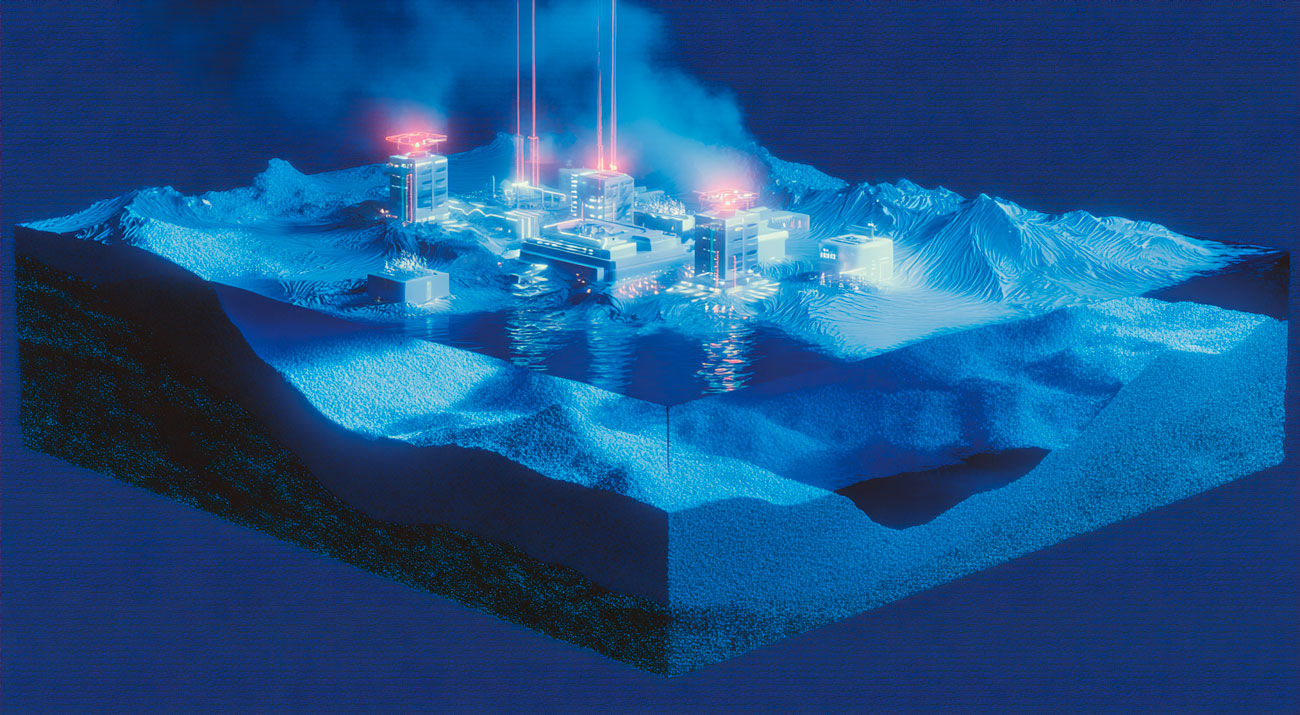
Geothermal energy spent decades as a geological curiosity — now AI is turning it into Wall Street’s hottest power play. Fervo Energy recently debuted on the Nasdaq, with shares surging 42% from its IPO price despite minimal revenue. The move highlights how valuable dependable power has become in the race to build AI infrastructure.
Heating up the competition: Geothermal is getting a fresh look as power demand rises and costs start to shift in its favor. Hyperscalers are rushing to fund power that runs around the clock, and rising AI infrastructure spending is only increasing the scramble for reliable electricity. Other options are getting pricier and slower, with Wood Mackenzie estimating gas-turbine prices could be nearly triple 2019 levels by the end of 2027, while new orders can take five years or more to deliver.
- Fervo’s first Utah project costs about $7K per kilowatt, roughly in line with small modular reactors, but the company expects that to fall to $3K per kilowatt, closer to natural gas plants.
- Drilling costs have already dropped 29% with each doubling of wells drilled, suggesting geothermal could get cheaper as the technology scales.
The Picks and Shovels Play
Fervo is not the only company benefiting from tech’s growing power demand. Barclays has highlighted oilfield service giants moving into geothermal, including Schlumberger, which is using its drilling and reservoir expertise to speed project development, and Baker Hughes, which won equipment contracts for five power plants at Fervo’s Cape Station site. Ormat Technologies is also seeing momentum, securing a power deal with Google and renewing older contracts at higher prices.
- Advanced geothermal projects could generate 11% to 14% annualized returns initially, rising to as much as 21% as costs fall, well above the single-digit returns typical in solar and wind.
- Barclays expects annual AI infrastructure spending from western hyperscalers to top $1T before peaking in 2028, more than $300B above current consensus estimates.
Premium for reliability: Tech companies are willing to pay above-market rates for clean, dispatchable power, and federal tax credits through 2033 make geothermal even more attractive. Fervo’s CFO has said falling drilling costs could make geothermal viable on the East Coast within the next decade, expanding beyond its traditional western US footprint. In a world where shortages could slow AI ambitions, the edge may belong to those feeding the grid.

