Samsung Is Widening Its Foldable Portfolio Before Apple Enters the Category
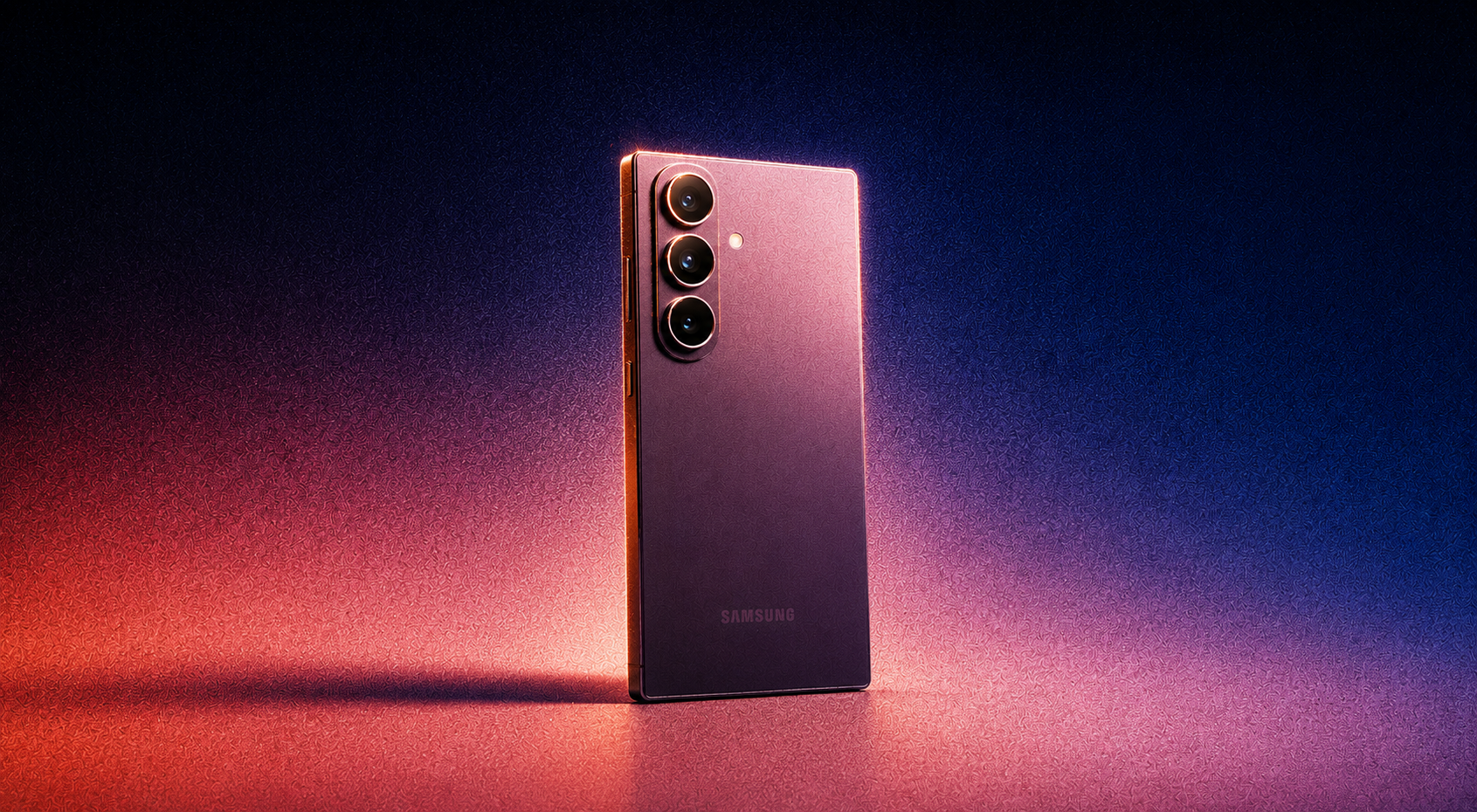
Samsung just expanded its foldable lineup from two devices to three, and the timing is not a coincidence. Apple is widely expected to launch its first foldable iPhone in September, and Samsung wants the category locked down before that happens.
The new lineup consists of the Galaxy Z Flip8 at ~$1.2K, the Galaxy Z Fold8 at ~$1.9K, and the Galaxy Z Fold8 Ultra at ~$2.1K.
The new middle device is the strategic bet
The Galaxy Z Fold8 is the most interesting addition. It is a redesigned device with a shorter, wider shape built around a 4:3 screen ratio when unfolded. That ratio means video fills more of the screen during playback. It also makes the device better suited to reading and gaming.
This form factor mirrors what Apple is reportedly planning for its own folding iPhone. It is little surprise Samsung delivered a different form factor given that Apple is widely expected to launch a wide-screen foldable, according to Ben Wood, chief analyst at CCS Insight. Getting that design into the market first is a direct defensive move.
The Fold8 weighs 201 grams, making it Samsung's lightest Galaxy Z Fold yet. It runs on Qualcomm's Snapdragon 8 Elite Gen 5 chip and carries a 4.8K mAh battery. The tradeoff is a two-lens camera system instead of three.
The Galaxy Z Fold8 Ultra keeps Samsung's previous tall, narrow book-fold design. It has a 200-megapixel main camera with HDR support in full-resolution mode.
Samsung is using a new titanium alloy film and a titanium plate beneath the display on both Fold models to reduce crease visibility, though the crease remained visible at the hands-on preview.
Prices rose but less than expected
All three devices are more expensive than their predecessors by $100 each. Samsung attributes the increase to rising memory chip costs, driven by high demand from the AI industry and constrained supply. Those same chips go into smartphones.
Wood said he was surprised the price hike was not larger, which suggests Samsung may be absorbing some of the cost increase rather than passing it fully to consumers. His read: Samsung is prioritizing competitive pricing ahead of Apple's entry.
The $200 gap between the Fold8 and the Fold8 Ultra creates a different problem. Wood noted that Samsung will need a very strong sales proposition for the Fold8, since the Ultra is only $200 more and offers a better camera system and a larger 5K mAh battery.
Smart glasses add another competitive front
Samsung used the same event to detail its upcoming smart glasses, developed with Google, Warby Parker, and Gentle Monster. The glasses run on Qualcomm's Snapdragon AR1 Gen1 chip, include a built-in camera, and offer up to nine hours of active use. They must be tethered to a smartphone.
Meta Platforms currently holds roughly 69% share of the smart glasses market as of Q1 2026, according to IDC data. Samsung's executive leading the glasses division described the product as premium but said pricing will not be at the lower end.
IDC analyst Francisco Jeronimo suggested a range of $600 to $700 is plausible, though he flagged the risk of pricing high without offering meaningfully more than Meta's Ray-Ban lineup.
Samsung's three-device foldable push reflects a company trying to cover every angle before a much larger competitor steps onto its turf. Whether that strategy holds after Apple's September announcement remains the real test.

