Fruit Crop Losses in the Northeast and West Signal a Costly Summer at the Grocery Store
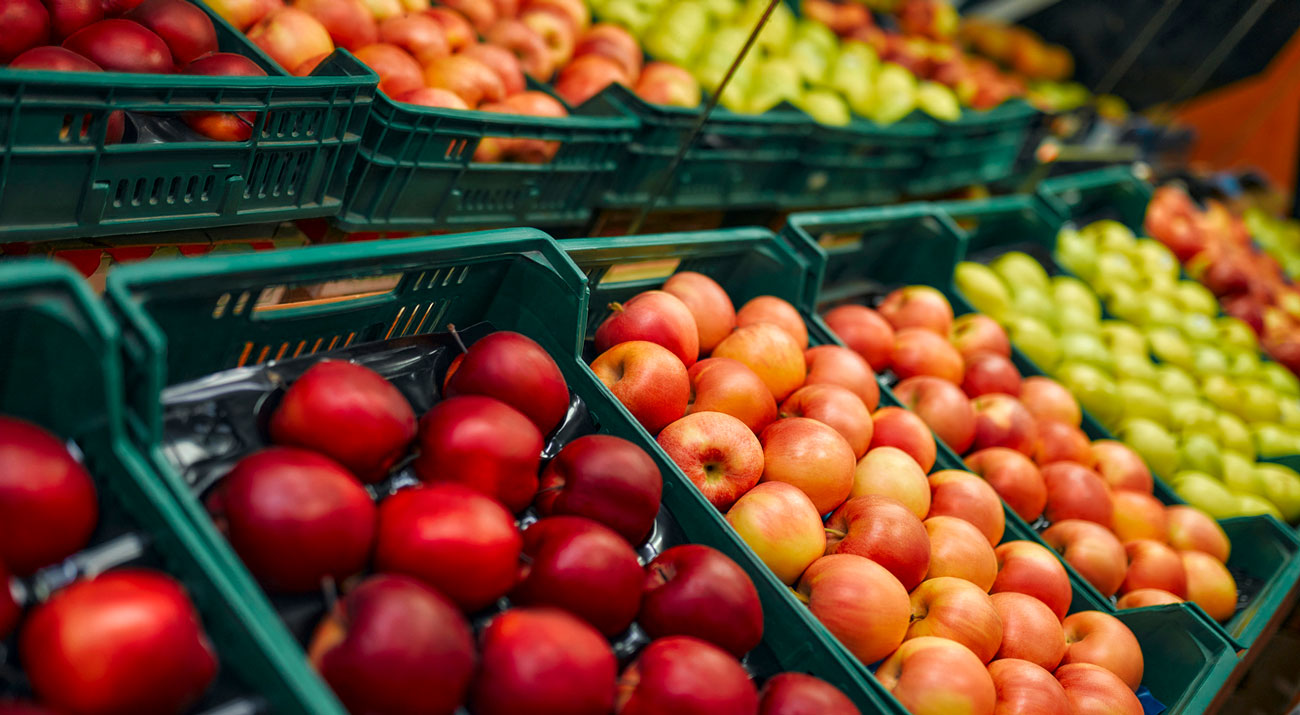
A late April freeze wiped out an estimated $300M in fruit crops across New Jersey. The governor declared a state of emergency and requested federal disaster relief.
The cold snap hit after an early heat wave, striking crops at a critical developmental stage and destroying blossoms and newly forming fruit.
"It was really a catastrophic loss for our whole region," said Tannwen Mount, owner of Terhune Orchards in Princeton, NJ.
Texas peach crops suffered from a warm winter with too few chill hours and a late freeze in March, per the same report.
Sierra Nevada snowpack in California sat at just 23% of typical levels as of mid-April. That raised alarm about irrigation supplies for a state that accounts for nearly three-quarters of US fruit and nut cash receipts.
California growers plan to destroy 420K peach trees after Del Monte cannery closures left producers without buyers, per the Yahoo News report.
Supply Pressure Is Piling Up
Fruit shortfalls are landing on top of a grocery sector already under broad strain.
Tomato prices rose 33% over two months after Florida winter storms struck during the peak of the growing season, per Bloomberg. Import duties on Mexican shipments added to the squeeze.
Beef reached a record price in April, driven by the smallest cattle herd in three-quarters of a century. USDA data counted just 86.2M head at the start of 2026.
The USDA projects grocery prices will climb 3.2% in 2026. Ricky Volpe, an agribusiness professor at California Polytechnic State University and former USDA researcher, puts the figure closer to 4% to 4.5%.
Fertilizer costs are up 20% since the Middle East war began, according to a Green Markets index for North America. Higher diesel prices will add further costs across farming and freight.
As of May 19, 70% of US winter wheat production was in drought-affected areas. 25% of corn production was also affected, per the National Drought Mitigation Center at the University of Nebraska-Lincoln.
"Food is going to become less affordable, and consumers should be prepared for it," said Volpe.
Forecasters expect an El Niño pattern to emerge by August and persist into 2027. The pattern could add further stress to global growing regions for rice, coffee, and cocoa.
Real average hourly earnings fell over the 12 months through April for the first time in three years. That leaves households with less cushion to absorb the increases ahead.
Planting decisions made this spring will determine the size of autumn harvests. The effects of this season's crop damage won't reverse quickly even if conditions improve.

