ByteDance Plans Up to $70B in Capex This Year as Chinese AI Spending Hits a New Gear
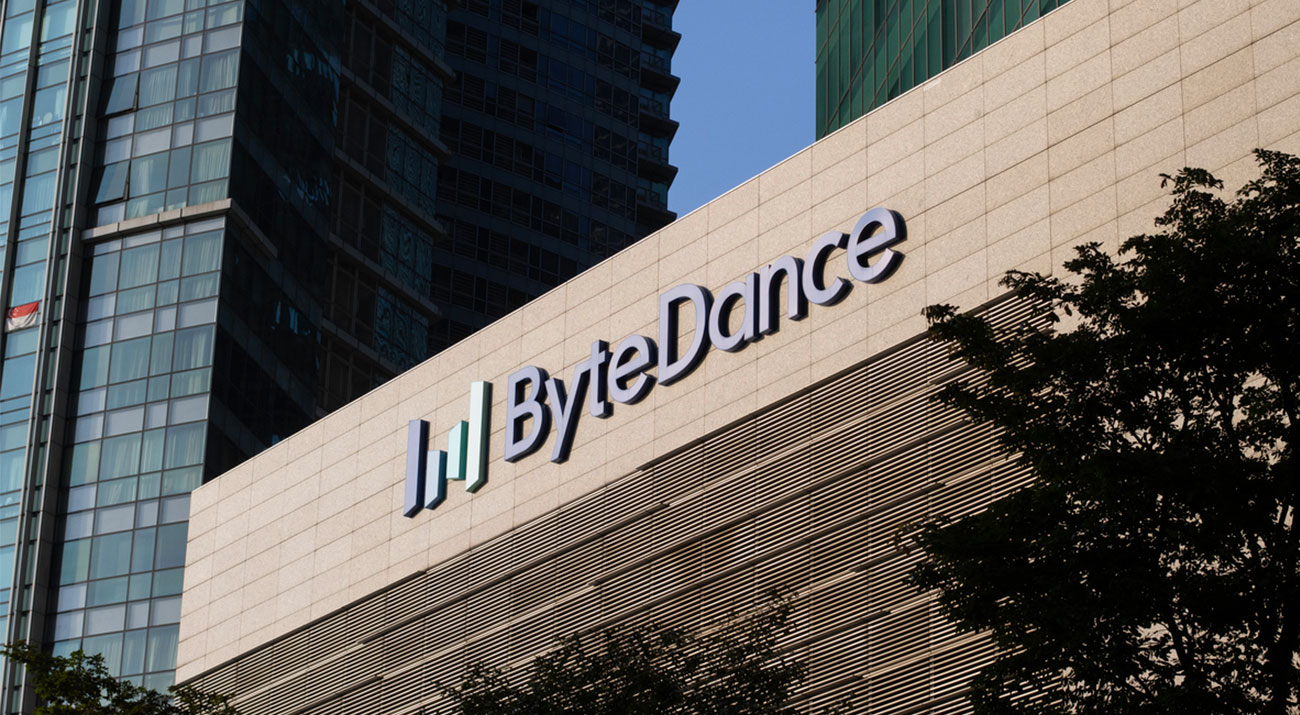
ByteDance is weighing capital spending of up to $70B this year, Bloomberg reported on May 27, as the TikTok owner races to lead China's AI market and challenge US rivals abroad.
The Beijing-based firm has also discussed raising that ceiling to roughly $100B in 2027, the report said, if business and economic conditions hold.
ByteDance plans to fund much of that investment through roughly $50B of profit it earned in 2025, framing it as strategic reinvestment rather than a debt-fueled push.
Chinese Rivals Are Being Left Behind
The contrast with ByteDance's domestic peers is sharp. Tencent Holdings reported 2025 capex of 79.2B yuan, while Alibaba Group recorded 126B yuan for its fiscal year ended March 2026, per Bloomberg.
Meanwhile, four US hyperscalers, including Amazon.com, Alphabet, Microsoft, and Meta Platforms, have collectively committed up to $725B in capital spending this year, averaging roughly $181B each.
DZT Research's Ke Yan told Bloomberg, "The spending gap between China's tech champions and US peers like Microsoft, Amazon and Meta is narrower than headline figures suggest once adjusted for local cost structures."
ByteDance benefits from materially lower data center construction costs in China, which means equivalent capacity may cost less to build than in the US, the report noted.
Rushing In On Hardware Demand
ByteDance isn't waiting on strategy to firm up before it buys hardware. Qualcomm struck a chip deal with ByteDance this week to supply millions of application-specific integrated circuits for its AI agent software.
ByteDance would become one of Qualcomm's first major customers for those AI-focused chips, a notable expansion for Qualcomm beyond its smartphone processor roots. Qualcomm shares rose roughly 5% on the news.
The consumer engine behind the spending is Doubao, ByteDance's chatbot and China's most-used AI product, with over 300M monthly users.
The company is preparing to charge subscription fees for the service, a rare move in a market where users have long resisted paying for digital products.
ByteDance has also been directing a larger share of its budget toward domestic Chinese chips, per South China Morning Post, a pattern that fits Beijing's broader effort to reduce dependence on US-made semiconductors given continued export controls.
The spending figures remain preliminary and are reviewed quarterly, Bloomberg noted, meaning the final outlay could shift significantly.
ByteDance, last valued at roughly $550B in a stake sale per Reuters, has long been considered an IPO candidate but has shown little urgency to list publicly.
Yan put the longer-term stakes plainly. "The AI push creates a positive feedback loop for ByteDance and the benefits are highly visible," he told Bloomberg.

