
Rise &Grind
Sponsored by SABCOR INDEX
💰 FSA deadline
Good morning and happy Sunday. Parents spent decades worrying about how to pay for college. Now some are wondering whether their kids will need it at all. With AI reshaping the job market, families are looking beyond traditional college savings plans (opens in a new tab) to give their children more options down the road. A four-year degree was once the obvious goal, but that's becoming a harder bet to make 15 years in advance. Apparently, even the American dream needs a few revisions.
Today, we've got a mixed slate of reads for you:
- Unused FSA money at risk: Workers could lose year-end balances without a carryover
- Congress moves to curb elder fraud: Mutual funds could soon block suspicious withdrawals
- Big banks raise checking fees: Wells Fargo and Bank of America hike charges
We've risen. Now, let's grind.
Tax Planning
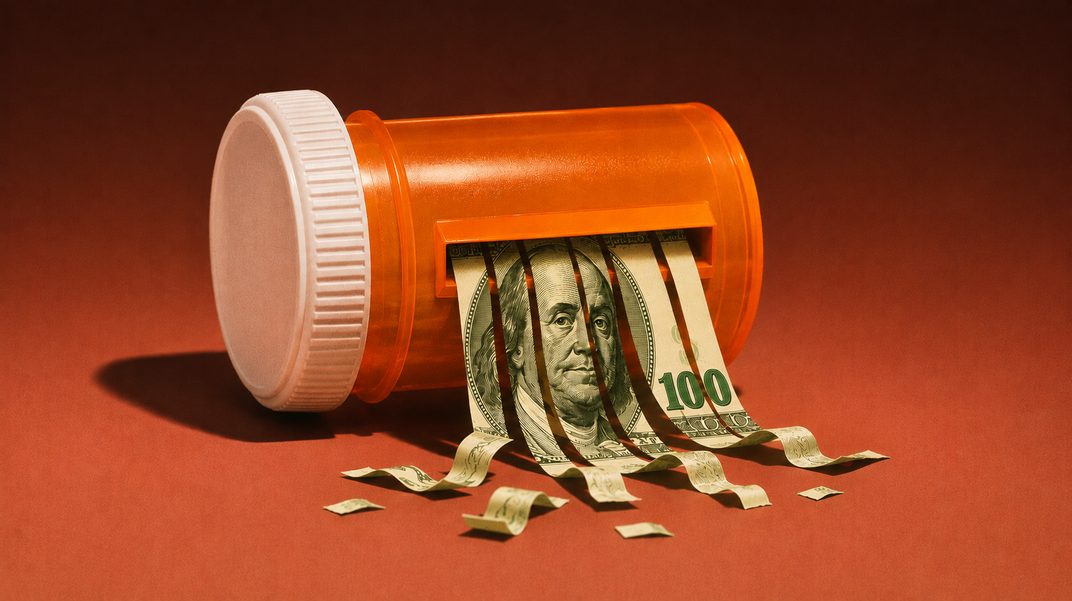
Your Unused Flexible Spending Account Money Could Be Forfeited at Year-End. Here's How to Keep It
Your employer could be getting an unexpected year-end bonus, courtesy of your paycheck. Money left in a health flexible spending account (FSA) could disappear if you don't spend it before the deadline. Contributions go in before taxes, but unlike a regular savings account, there's no guarantee you'll get to keep what's left.
Use it or lose it: Health FSAs generally come with a year-end deadline (opens in a new tab), although employers can offer workers some breathing room. They can allow a limited carryover into the next year or provide an extra two and a half months to spend the money. Neither option is required, leaving employees at the mercy of their company's rules.
- Plans can let workers carry up to $680 into 2027, with the maximum rising to $700 for funds carried into 2028.
- Federal benefits officials estimate workers can save up to 30% on eligible medical expenses through FSA tax breaks.
The Tax Break Has a Catch
The IRS is raising the annual health FSA contribution limit to $3.5K in 2027, up from $3.4K this year and $2.9K in 2022. That means more room for tax savings, but also more money potentially at risk if it goes unspent. Federal employees face another deadline, with open enrollment for 2027 closing Dec. 14.
- Contributions avoid federal income tax, along with the 6.2% Social Security and 1.45% Medicare taxes.
- Unused balances generally stay with the employer when workers leave their jobs rather than following them to a new company.
Before the clock runs out: Check your balance and your employer's rules before booking that overdue dentist appointment or stocking up on eligible medical supplies. Use this year's spending to figure out how much to contribute in 2027, rather than setting aside more than you need. The tax break is nice, but handing your employer a bonus for medical care you never received is a pretty lousy return on your money.
 (opens in a new tab)
Sponsored by SABCOR INDEX
You Read the Earnings. Then a Tariff Moved Your Stock
You checked the valuation, too. Then a tariff, a sanctions package, or an attack on a shipping lane moves your position before you've seen the headline.
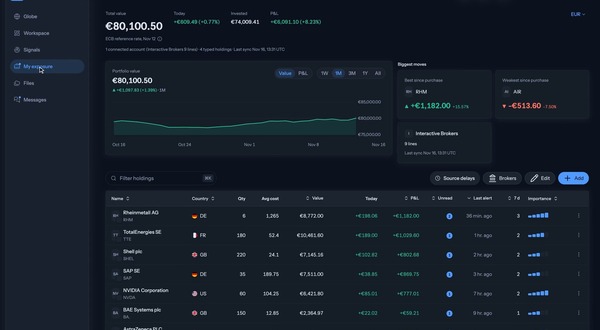
That gap is what SABCOR INDEX (opens in a new tab) was built for. It's a geopolitical intelligence platform that connects world events to the stocks you own.
- My Exposure: import your portfolio and get an alert when a world event is likely to affect a position you hold.
- The reasoning behind it: what happened, and how it reaches your stock.
SABCOR launches December 14. Until then, 500 founding seats (opens in a new tab) are open at $649, paid once, for lifetime access.
Investor Protection
Congress Closes a Regulatory Loophole on Retirement Fraud
Retirement savings can take decades to build and just one convincing scammer to wipe out. Congress has passed a bipartisan bill allowing mutual funds to delay suspicious withdrawals for up to 15 business days, extending protections already available at brokerages. The move comes as older Americans reported $3B in fraud losses in 2025, with investment scams accounting for over $1B. Firms using the new protections must also request a trusted contact, giving families a chance to intervene before the money disappears. For anyone dodging digital con artists, the best defense is still a second opinion. [Read (opens in a new tab)]
Consumer Banking
Big Banks Standardize Checking Fees as Minimums Rise
Checking account maintenance is turning into an expensive routine. JPMorgan Chase, Wells Fargo, and Bank of America have all converged on a $15 monthly fee, adding up to $180 a year for customers who fail to meet strict waiver rules. While banks collected $9.3B in deposit service charges last quarter, consumers can still dodge the costs by maintaining a $1.5K balance or setting up qualifying direct deposits. Either way, the only system working overtime is corporate America's fee schedule. [Read (opens in a new tab)]
Chart
Sunday Reads
🚗 Uber One Member Days are stacking up to $500 in savings (opens in a new tab) through Dec. 1
🤖 Anthropic's Wall Street debut may rewrite the IPO record books (opens in a new tab)
✈️ Delta and Hyatt launched a reciprocal loyalty program (opens in a new tab) for members
📈 Ten-year TIPS auction clears at a robust 2.9% real yield above inflation (opens in a new tab)
🗳️ Florida and North Carolina voters approved major property tax relief measures (opens in a new tab)
💠 Preferred stocks offer tempting yields, but the hidden costs are catching up (opens in a new tab)
🛍️ Rove's new shopping offers pay up to 25 miles per dollar (opens in a new tab)
⚡ Costco generator sales surge as nervous shoppers stock up on emergency supplies (opens in a new tab)
💍 Oura Ring 5 drops to $299 (opens in a new tab) with American Express statement credits
🐱 Roaring Kitty returned to X with a viral Mario cat tweet (opens in a new tab)
Strategize
Freeze Your Credit Before the Holiday Shopping Season
This week's cyberattacks and outages (opens in a new tab) hit right as holiday spending and card-not-present fraud peak. A credit freeze stops anyone from opening new accounts in your name, and it costs nothing.
Why it matters: Placing and lifting a freeze is free, and it does not affect your credit score or the cards you already hold. You must place it separately at Equifax, Experian, and TransUnion, and online or phone lifts are required within one hour when you need to apply for new credit.
Finks can help you plan the freeze-and-thaw routine before you apply for your next card or loan.
Try it for free: How do I freeze my credit at all three bureaus? (opens in a new tab)
Extra Grind