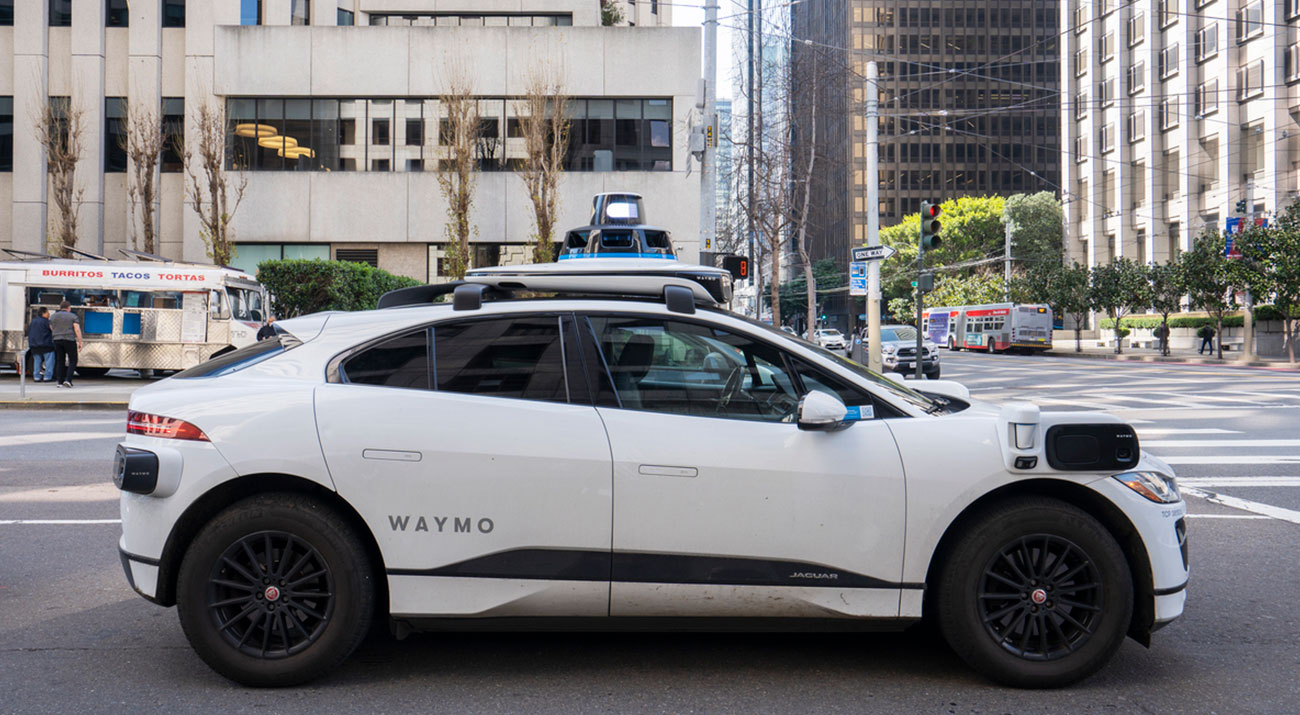
Waymo wants riders hooked like frequent flyers. The ride hailing giant's new loyalty program costs three times as much as Uber One, and the gap is the strategy.
Waymo Premier, launching this week in San Francisco, Los Angeles, and Phoenix, targets riders who've already replaced car ownership with daily robotaxi use.
When rides alone don't cover the burn
Alphabet disclosed that its Other Bets segment, which houses Waymo, posted a $2.1B loss in Q1 2026, up from $1.22B a year earlier. Segment revenue also contracted, falling to $411M over the same period.
The per-ride model scales with fleet size, which scales with capital. Waymo raised $16B earlier this year at a $126B valuation, more than double its October 2024 mark, with backing from Andreessen Horowitz, Fidelity, and T. Rowe Price alongside Alphabet.
Outside capital buys time. It doesn't change the unit economics.
The Uber partnership structure adds another constraint. Premier won't launch in Austin or Atlanta because Waymo operates exclusively through Uber's app in those cities.
Recurring subscription revenue requires owning the customer relationship, and in those markets, Waymo doesn't.
Partnerships that accelerated Waymo's geographic expansion also limit the revenue architecture it needs to build on top of them.
Membership as the real business
The four largest US airlines would each have run at a loss in 2024 without loyalty program revenue, per TechCrunch. Some used those programs as federal loan collateral during the pandemic.
Waymo is building toward that same dynamic: recurring revenue that isn't tethered to whether per-ride margins are positive yet.
Premier members get prioritized matching during high-demand periods, five free monthly cancellations, 10% cash back in Waymo credits, and early access to cities still operating waitlists. Scarcity is part of the product.
Waymo said the $29.99 price and perks came directly from rider feedback. The target isn't someone who books a robotaxi on weekends. It's the daily commuter for whom Waymo has become non-optional.
Uber One's 50M subscribers show that mobility memberships can scale when the value is concrete and recurring.
The next few quarters will show whether subscription revenue compounds fast enough to shift the loss trajectory.

