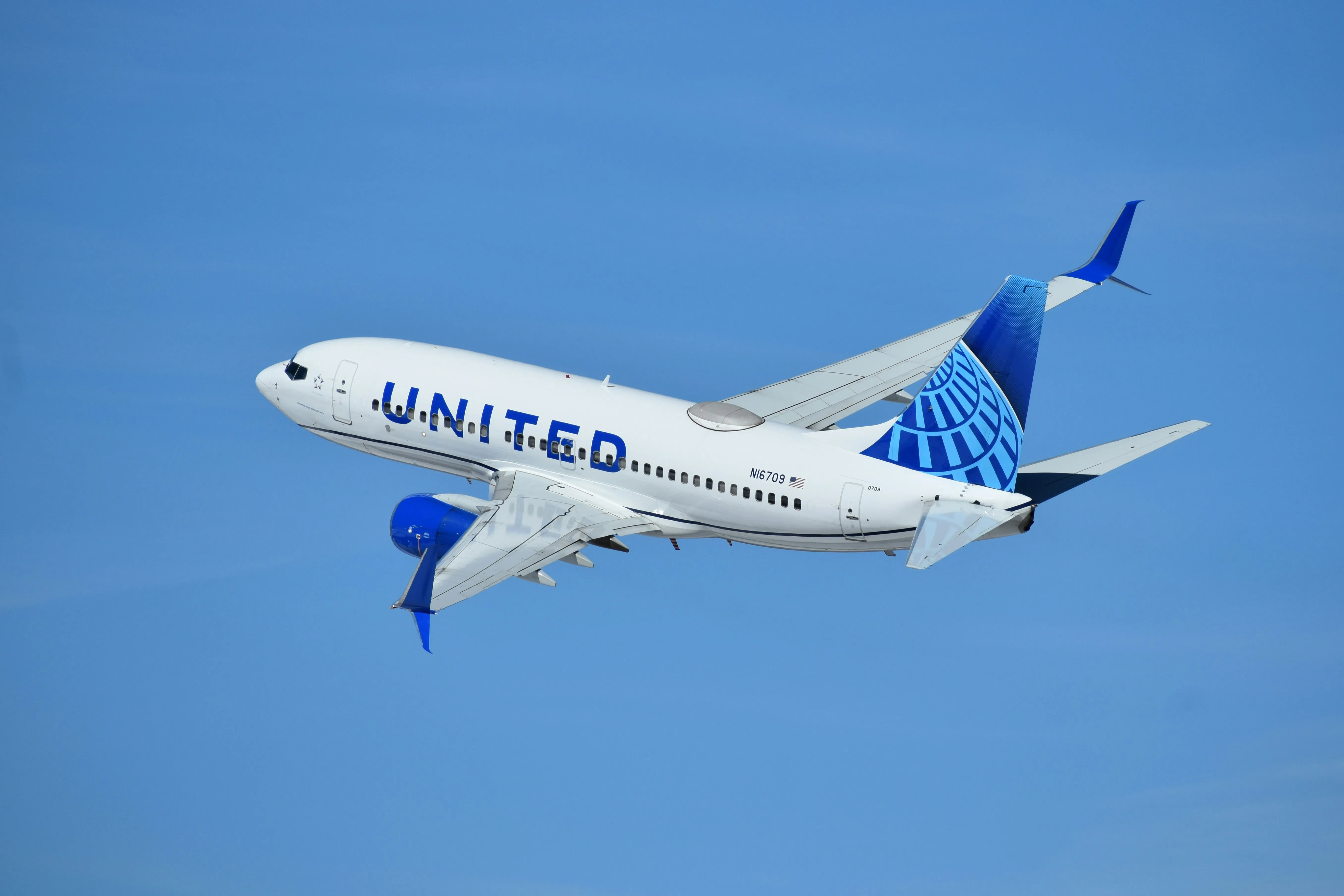
United Airlines is splitting its domestic first-class cabin into three price tiers this fall, giving travelers different combinations of price, flexibility, and included benefits. The cheapest option, called Base, costs less upfront but removes several perks that have traditionally come with a premium ticket.
The same structure will apply to United Business fares on eligible short-haul international routes, including Canada and Latin America. Travelers will still get the same onboard experience, but what comes included with the fare will depend on the tier they choose.
What the cheapest tier removes
United First Base includes one free checked bag versus two with the higher tiers. Buyers also lose change and refund flexibility and have to pay if they want to select a seat.
Base passengers earn fewer MileagePlus miles than travelers buying a full-fare ticket. Voluntary cancellations also come without a refund or flight credit, making the lower fare more restrictive if plans change.
On eligible short-haul international routes, the United Business Base fare removes United Club access. Standard and Flexible fares retain lounge access, adding another difference beyond baggage and ticket flexibility.
The seat itself does not change between tiers, and United says passengers receive the same onboard experience. The difference is what travelers get before and around the flight rather than what happens once they are in the cabin.
"You can select the tier with benefits that fit your travel needs."
United Airlines
How the three tiers compare
Standard includes free seat selection, additional checked bags, and the ability to make changes. Flexible includes those benefits while adding full refundability, making it the least restrictive of the three fare tiers.
Base sits at the lowest price point, so the trade-off depends on how much flexibility a traveler actually needs. Someone flying on a fixed date with one bag gives up less than someone whose plans could change or who regularly checks more luggage.
United introduced a similar approach earlier in 2026 for its long-haul Polaris business class and Premium Plus premium economy cabins. Chief Commercial Officer Andrew Nocella told investors on an earnings call last year that segmentation has proven its value.
Other airlines have already adopted versions of the same strategy, including Delta, JetBlue, Etihad, Air France, KLM, and Qatar Airways. Delta uses segmented fares for Delta One suites, while JetBlue rebuilt its fare structure across all cabins before launching domestic first class.
Unbundling premium fares has become increasingly common across the industry. United's new tiers extend that approach to domestic first class and more of its short-haul international business cabin.
What to watch when booking
The new fare options are set to launch this fall. Travelers comparing first-class prices will need to check the tier attached to each fare rather than assuming every premium ticket includes the same benefits.
Seat selection is one difference to watch because Base passengers who want a particular seat will have to pay for it. Travelers who regularly check two bags should also account for Base including only one free checked bag.
Flexibility could matter even more for trips where plans are likely to move. Base does not provide refunds or flight credits for voluntary cancellations, while the higher tiers include more flexibility.
The cabin and onboard experience remain the same regardless of which fare a traveler buys. The choice comes down to how much they are willing to pay for the benefits surrounding the flight.

