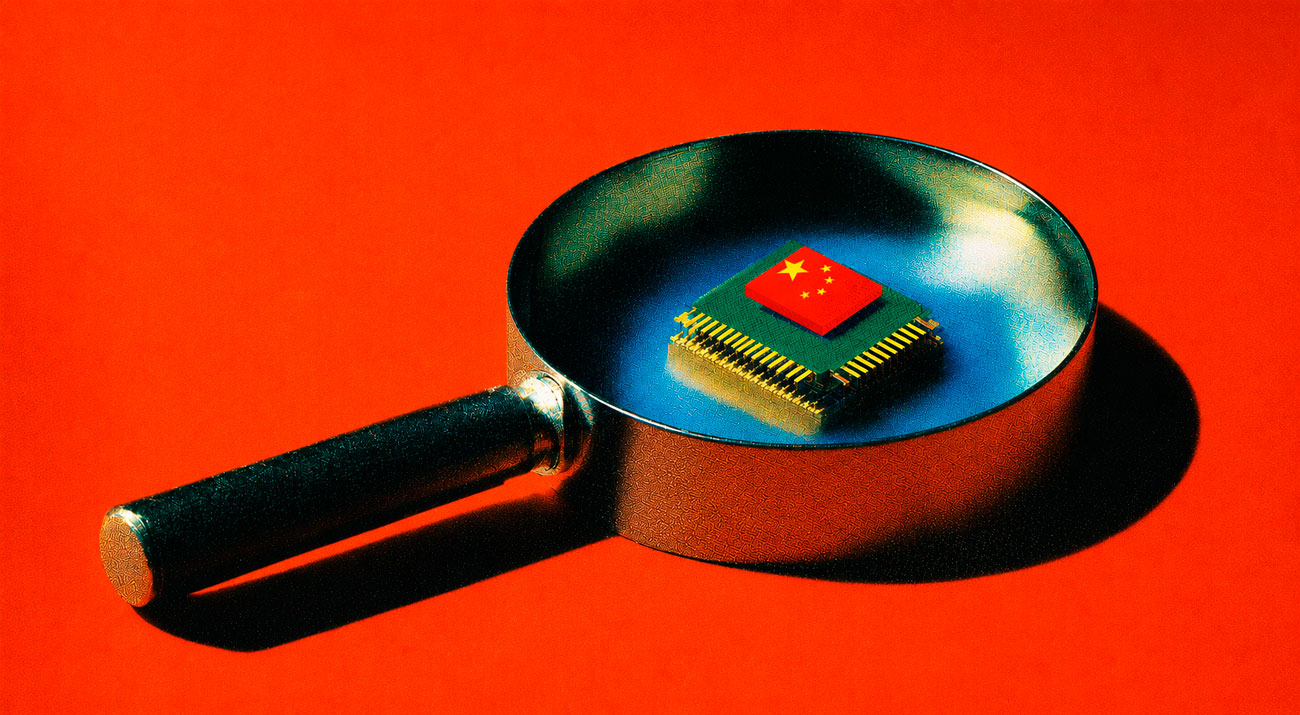
The Pentagon's list of Chinese military-linked companies grew to 188 entities this week, adding Alibaba Group, search engine Baidu, and electric vehicle maker BYD alongside robotics firms, biotech companies, and memory chipmakers.
What the list actually does
The "1260H list," created by congressional mandate in 2021, identifies companies the Pentagon believes contribute to China's defense industrial base. It does not impose sanctions.
Starting later this month, the Defense Department is barred from contracting directly with listed companies.
Third-party procurement restrictions take effect in June 2027, meaning the Pentagon also can't procure their products through intermediaries at that point.
Why the timing is complicated
The updated list arrived weeks after President Trump met Chinese leader Xi Jinping in Beijing, where the two sides reached a trade truce.
A near-identical version was briefly released in February, then quietly pulled as Trump's China trip was being arranged.
According to The Wall Street Journal, "The summit lowered the temperature on trade, but it didn't change Washington's core assessment that China's commercial technology champions remain integral to Beijing's military modernization," said Craig Singleton, senior China fellow at the Foundation for Defense of Democracies.
The 2026 list expanded well beyond sectors traditionally associated with defense and grew from ~130 entities last year to 188 this year.
"This demonstrates the administration sees real national security risks associated with Chinese products in sectors beyond semiconductors and AI," said Chris McGuire, a former State Department official now at the Council on Foreign Relations.
Alibaba's extended concerns
Alibaba contested the designation and pledged legal action, saying it was "not a Chinese military company nor part of any military-civil fusion strategy." But Citi analyst Alicia Yap wrote in a research note that "inclusion to the DoD list" is unlikely to affect revenue or earnings.
Alibaba holds no Pentagon contracts, and the company has cycled on and off the list before. The more pressing concern for investors is the company's underlying financials. Adjusted EBITDA fell 56% year-over-year to 76.4B Chinese yuan ($11.3B) in fiscal 2026 as Alibaba increased AI spending.
The stock was already down 18% for the year through Monday's close. A price war with rivals including JD.com and Temu parent PDD has added further pressure on margins, and the ADRs have struggled to hold above $120 in recent sessions.
The House Select Committee on the Chinese Communist Party called the expanded list "a warning to American businesses, all levels of government, and the American people," and urged that publicly traded companies on the list be delisted from US exchanges.

