
SpaceX Wants to Take On Verizon and AT&T. Boost Mobile Could Be Its Way In
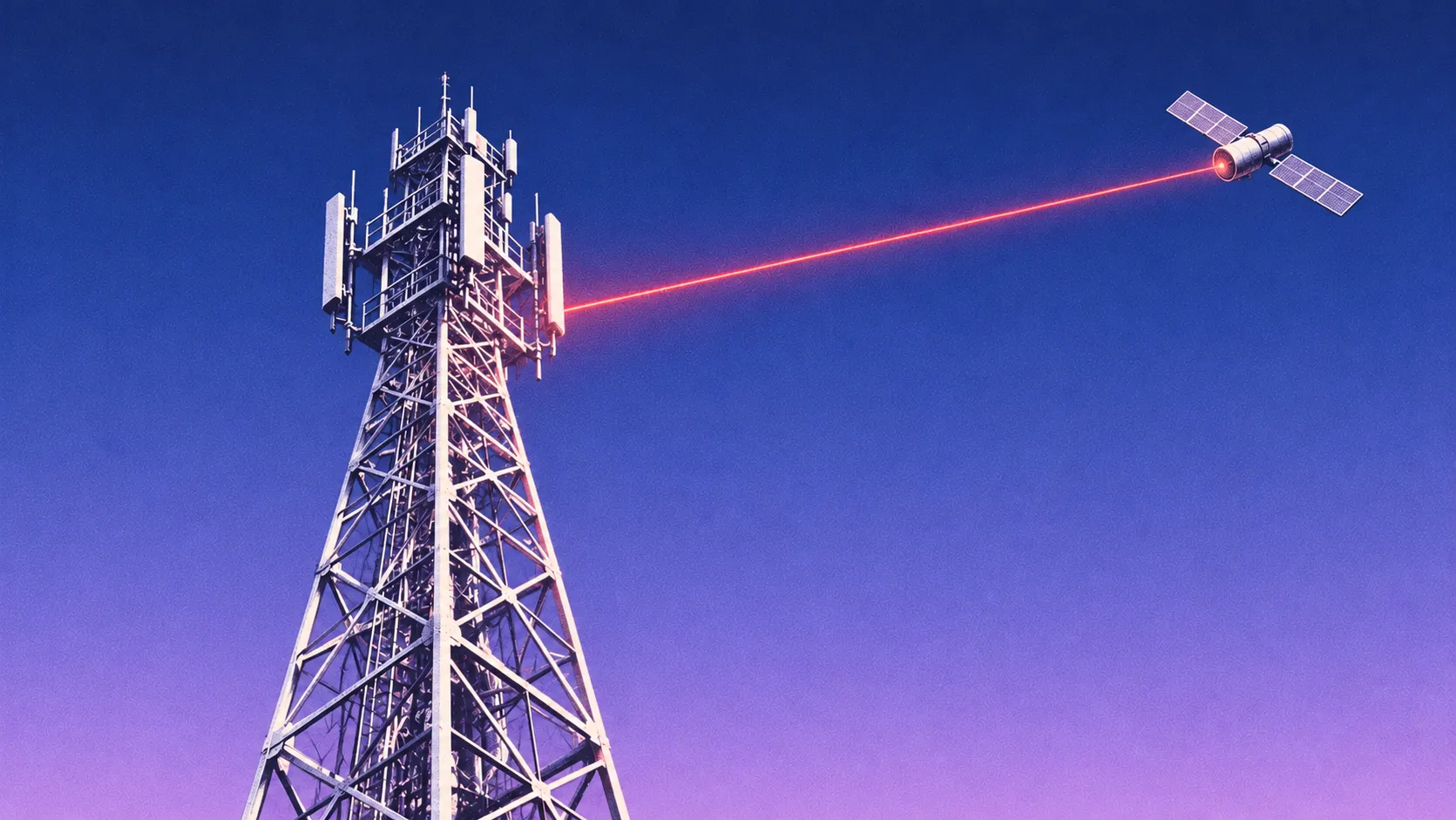
SpaceX is looking to expand beyond satellite internet and into the U.S. wireless market, potentially putting it in direct competition with Verizon, AT&T, and T-Mobile. The company is reportedly considering acquiring Boost Mobile or using its network, a move that could accelerate its ambitions to become a nationwide mobile carrier.
Why SpaceX wants Boost Mobile
According to a Washington Post report, SpaceX is exploring a deal with EchoStar, which owns Boost Mobile. The companies already have an established relationship after EchoStar sold wireless spectrum to SpaceX last year and acquired a minority stake ahead of its June IPO.
SpaceX has built a substantial customer base through Starlink, which reached 13.6M users across more than 170 countries in the third quarter, up roughly 90% from a year earlier. The service operates more than 11K satellites and generated $5.2B in quarterly connectivity revenue, with an operating margin of 45.1%.
However, satellite coverage alone isn't enough to compete with traditional wireless carriers. SpaceX still needs access to ground-based infrastructure, wireless spectrum, and an established customer base to provide reliable nationwide mobile service.
Starlink Already Has Nearly Twice Boost Mobile's User Base
Subscribers in millions, Starlink as of end of Q3 2026 and Boost Mobile as of end of 2025
Bar chart. Millions of Users. Starlink: Subscribers 13.60. Boost Mobile: Subscribers 7.50.
Source: Barron's, Deadline
Building a nationwide wireless network
SpaceX has already begun assembling the infrastructure needed for its expansion. In October, the company agreed to acquire low-band wireless spectrum from Grain Management, which would help improve coverage inside buildings and other areas where satellite signals struggle.
The company is also reportedly negotiating access to at least 80K cell tower locations across the U.S. Bloomberg identified Crown Castle, American Tower, and Vertical Bridge among the infrastructure providers involved in discussions.
Elon Musk has outlined plans to combine satellite connectivity with traditional cellular networks, potentially using small cellular radios attached to existing Starlink dishes to expand coverage.
SpaceX president Gwynne Shotwell expects the company's S-band spectrum to handle most direct-to-phone traffic, while lower-frequency spectrum would help fill coverage gaps.
What Boost Mobile brings to the deal
Acquiring Boost would give SpaceX immediate access to more than 7.5M wireless subscribers and an established retail distribution network, allowing it to enter the market without building a customer base from scratch.
However, Boost operates as a mobile virtual network operator, meaning it relies on AT&T and T-Mobile infrastructure rather than owning a nationwide wireless network.
That arrangement could complicate an acquisition. Existing wholesale agreements may require approval from both carriers before transferring to a new owner, potentially giving SpaceX's future competitors influence over the transaction.
The financial opportunity is substantial. MarketWatch estimates that a fourth nationwide wireless operator could pursue a market worth approximately $235B.
SpaceX also has significant financial resources to support its expansion. The company reported third-quarter revenue of $14.6B, up 87% from $7.814B in the previous quarter, alongside net income of $4.4B.
Line chart. Revenue ($B). Q2 2026: Revenue ($B) $7.8. Q3 2026: Revenue ($B) $14.6.
What it means for telecom stocks
A fourth nationwide wireless carrier could reshape competition across the U.S. telecommunications industry, creating opportunities for some companies while putting pressure on others.
Cell tower operators could be among the biggest beneficiaries. SpaceX would need extensive ground infrastructure to support its wireless ambitions, potentially generating new leasing revenue for Crown Castle and American Tower.
Traditional telecom providers face a more complicated outlook. Starlink has already increased competition for broadband providers including Charter and Comcast, and a wireless expansion could introduce another challenger to the established carriers.
AT&T and T-Mobile could initially benefit from wholesale revenue if SpaceX continues using their networks, although that relationship could weaken as SpaceX builds its own infrastructure. Verizon faces potential competition without the same existing wholesale arrangement.
The Washington Post also reported that SpaceX previously approached all three major carriers about potential deals, but none agreed.
Still, analysts caution that entering the wireless market involves more than acquiring spectrum and towers. SpaceX would also need to manage customer service, handset subsidies, and promotional pricing against competitors with decades of experience.
For investors, SpaceX's expansion could create a new source of demand for wireless infrastructure while increasing competitive pressure on established carriers. However, discussions with EchoStar remain preliminary, and no acquisition has been announced.

