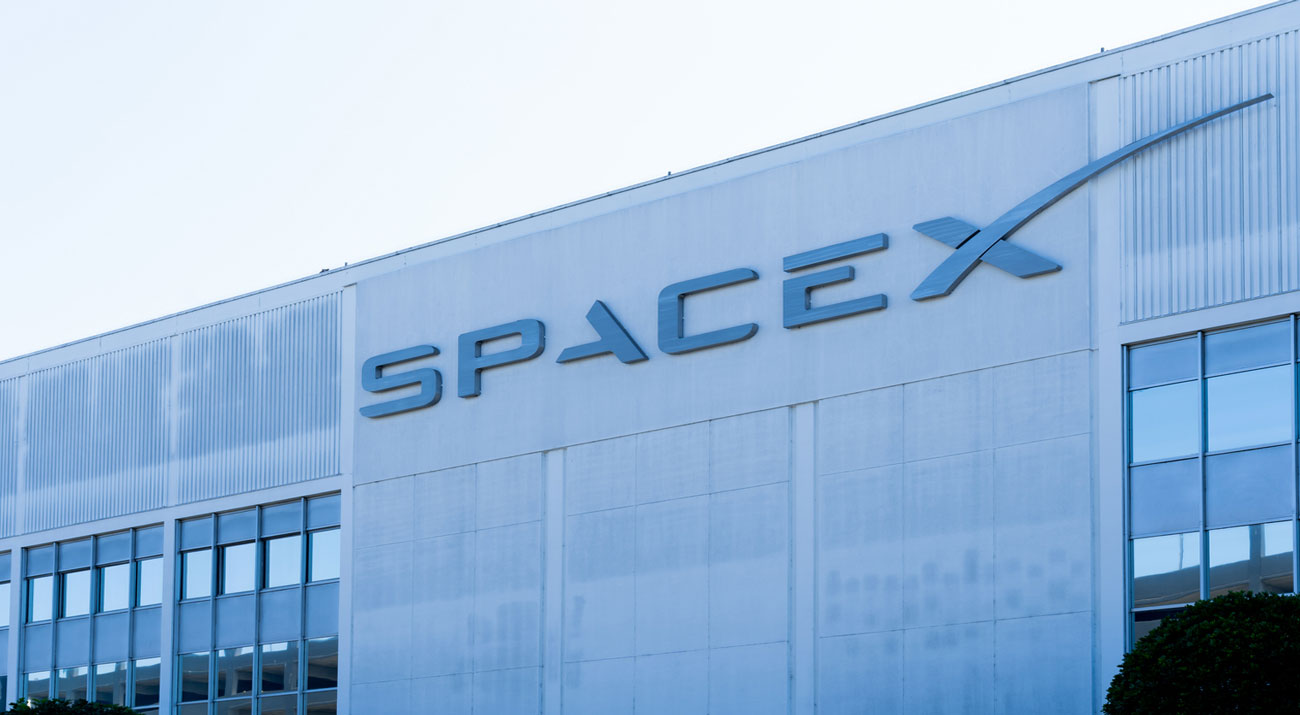
SpaceX shares jumped 19% on debut Friday, closing just below $161 on the Nasdaq and giving the rocket company a market cap of $2.1T.
SpaceX is the first of three large technology companies expected to go public this year. Anthropic and OpenAI have both filed confidentially with regulators in recent weeks.
The listing crowned Elon Musk as the world's first trillionaire. Forbes pegged his net worth at $1.1T after factoring in his SpaceX holdings and his stake in Tesla.
SpaceX priced its IPO at $135 per share and raised $75B in proceeds. That topped Saudi Aramco's 2019 offering as the largest public market debut in history.
More than 500M shares exchanged hands on the first day, dwarfing every other IPO this year.
"This was a successful launch, no doubt about it," said Jay Woods of Freedom Capital Markets.
Goldman Sachs climbed more than 2% in Friday's session, as traders rewarded its role as lead bookrunner on the deal.
Space industry stocks fell as capital rotated toward SpaceX, with Redwire and Rocket Lab each sliding more than 10% on the day.
The Fair Value Equation
Analysts at Morningstar, which earns no investment banking fees, put SpaceX's fair value at $780B and called the IPO "significantly overvalued."
The company itself disclosed in regulatory filings that parts of its business rest on "unproven technologies."
SpaceX lost $8.7B from the start of 2025 through Mar. 31, 2026, as it funded satellite networks and orbital data centers. It also operates an artificial intelligence unit called xAI that has no clear path to profitability.
SpaceX Operations Chief Gwynne Shotwell told CNBC she "wasn't sure we would go public," but said the current moment "actually feels like the right time."
Musk owns 4.8B SpaceX shares worth $715B, per Forbes. He also holds 350M stock options, giving him a 38% stake in the company.
He also controls 82% of a special class of shares, giving him sweeping authority over the company regardless of his overall ownership percentage.
Pension funds in California and New York sent a letter opposing several IPO provisions. These included mandatory arbitration of shareholder claims and the concentration of voting power in Musk's hands.

