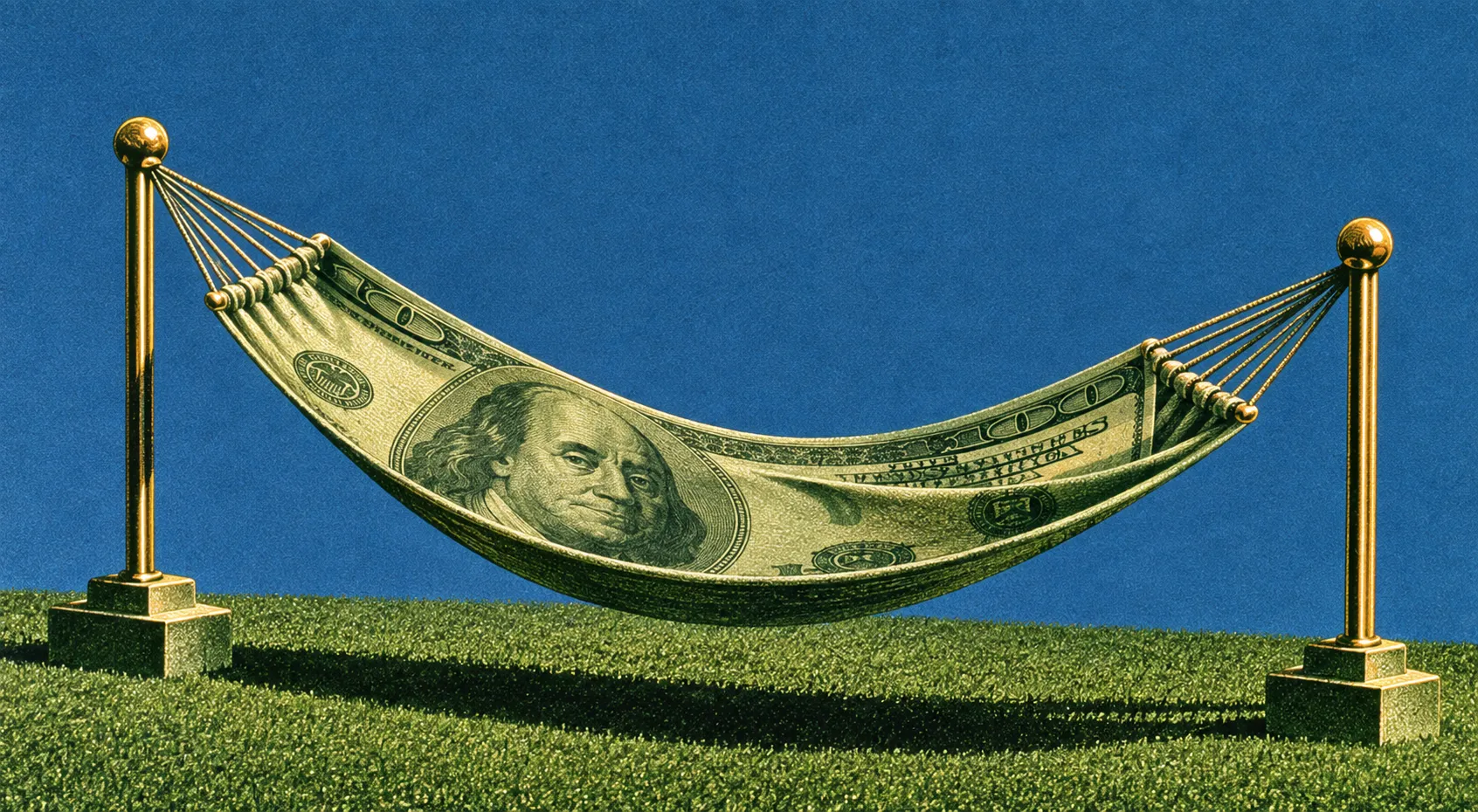
Retirement planning has become a game of tax dodgeball. Savers now face a moving target because future tax rates, income, and withdrawals all shape the final bill. The smartest move is building flexibility before retirement income starts making decisions for you.
Flexibility matters: Retirement tax planning comes with a big unknown because nobody knows what tax rates will look like years from now. Congress can rewrite the rules, while required withdrawals from traditional accounts can push taxable income higher, shrink tax breaks, and trigger other costs. As Santa Clara University’s Edward McQuarrie put it, “Tax planning for retirement involves guesses, but it's important to make smart guesses.”
- Traditional IRAs and 401(k)s can create deductions during high-earning years, while Roth accounts can preserve tax-free withdrawals later.
- Large Roth conversions can backfire when today's conversion rate exceeds the likely withdrawal rate in retirement.
Building the Withdrawal Plan
The date you retire can change what you walk away with. Fidelity says a few extra months can protect bonuses, pension credits, and unvested compensation. Leaving before 65 can also mean paying for COBRA or marketplace coverage until Medicare begins. The timing can determine when Social Security begins and how long you have before required minimum distributions start.
- Build a cash runway: Morningstar’s Christine Benz recommends holding one to two years of expected portfolio withdrawals in cash near retirement.
- Save in the right order: Benz puts the employer match ahead of IRAs, workplace plans, HSAs, after-tax 401(k)s, and taxable accounts.
- Plan the income switch: Morningstar found a 3.9% starting withdrawal rate could approach 6% when spending adjusts with market performance.
Moving ahead: Benz recommends looking roughly 10 years ahead at spending before retirement begins. That forecast helps determine how much income must come from Social Security and investments. Withdrawal choices matter because taxable, traditional, and Roth accounts are taxed differently. The smartest retirement plans leave fewer decisions at the mercy of bad timing.

