Retailers Are Cutting Product Lines To Protect Margins As Shoppers Pull Back
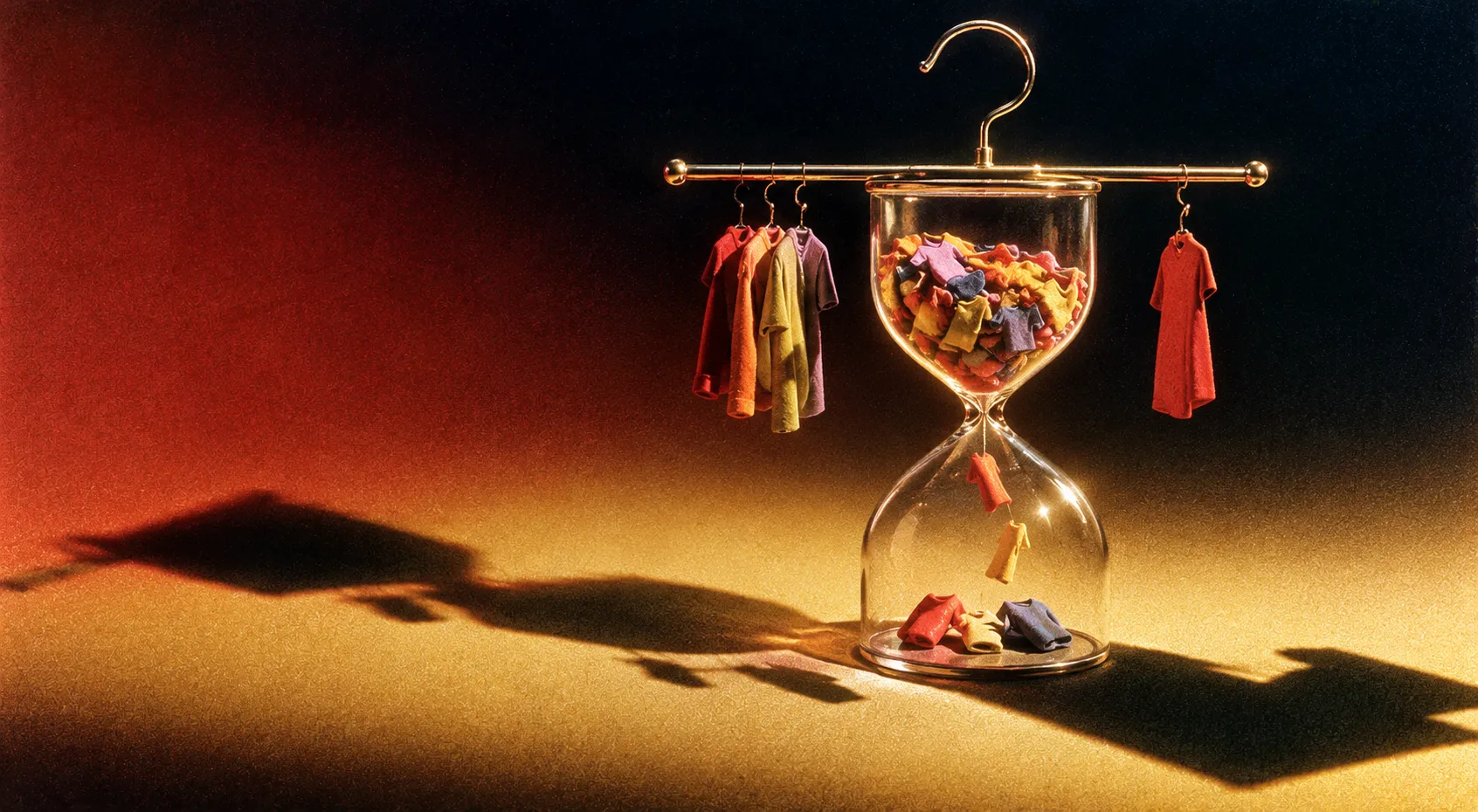
Retail chains are quietly shrinking what they sell. Fewer colors, fewer sizes, fewer variations of the same jacket. Across 2026 earnings calls, a growing list of companies has named assortment cuts as the fastest way to defend profits while shoppers spend less.
Fewer items, fatter margins
High gas and food prices have squeezed household budgets, pushing retailers to trim assortments and clean up their balance sheets.
The metric executives keep citing is the stock keeping unit, or SKU. One SKU is one distinct product in one size, color, or format.
Carrying fewer of them cuts the odds of getting stuck with inventory nobody wants, which is what forces discounting. Fewer markdowns mean a bigger share of sales happen at full price.
Who's cutting and by how much
Dollar General said in March it had eliminated 1.5K SKUs from its shelves.
BJ's Wholesale Club is targeting a reduction of roughly 20% of its SKUs, disclosed in August.
Under Armour has gone furthest. The company revealed in August that it had already cut its count by 25% and plans another 25% on top of that.
Lululemon followed in September, saying it had pulled North America SKUs down by 15%.
Inside the deepest cuts
Under Armour's cuts span the previous two years and are designed to concentrate demand, simplify inventory, and lift full-price sales.
Management has warned the changes could pressure revenue in the short term while the business gets healthier.
The logic is straightforward. Faster-selling products get more shelf space, and slow movers that end up on the clearance rack disappear.
The cost is narrower choice. A shopper who can't find the right size or color may simply buy somewhere else, which hits sales before the efficiency shows up.
Cutting into falling demand
Lululemon is cutting into a demand problem rather than ahead of one. Second-quarter revenue fell 4% to $2.4B, with comparable sales down 10%.
North America was the weak spot, with revenue down 8%, and management described the response to new products as inconsistent.
The company's core women's business is the sharper warning. Leggings sales dropped ~20% in the quarter even though Lululemon remains the leader in the category.
Management points to shoppers moving toward away-from-body silhouettes, meaning looser, less form-fitting styles.
The guidance tells the same story. Lululemon cut its 2026 sales forecast for the second time this year, now expecting $10.35B to $10.5B.
Incoming chief executive Heidi O'Neill takes over the turnaround with fiscal 2026 profit guidance lowered alongside revenue.
How to think about exposure
SKU cuts are a margin lever, not a growth lever. They improve the quality of sales without creating new demand.
For the discounters and warehouse clubs, the math is simpler. Dollar General and BJ's are editing a crowded shelf, and the inventory savings land without threatening a brand identity.
For apparel, the test is whether the remaining products are the ones customers actually want. Under Armour has told investors to expect a revenue hit during the transition, which sets a clear bar for judging progress.
Lululemon's case is tougher because the shrinkage comes alongside falling demand in its best-known category. Trimming the lineup doesn't fix a taste shift toward looser fits.
The number to watch across all four is the gap between inventory growth and sales growth. Assortment cuts are working when inventory grows slower than revenue, and failing when sales shrink faster than the shelf does.

