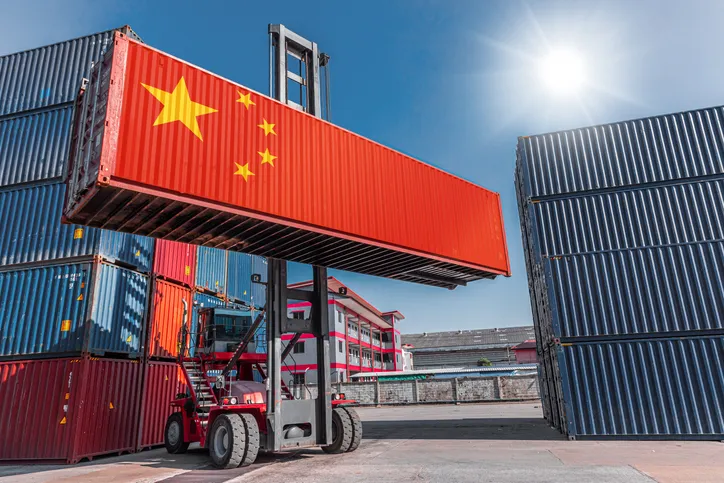
The US has extended its semiconductor export controls to cover the overseas subsidiaries of Chinese companies, shutting down one of the chip trade’s most commonly used loopholes.
Under the old framework, firms on US restriction lists couldn't buy American chips, equipment, or related technology directly. Their foreign affiliates often could.
South Korea's Chosun Ilbo reported the change, which targets affiliates of Chinese firms already under US restrictions.
Ownership now matters more than address
Washington has said its ban on AI chip shipments applies to Chinese companies operating outside China, per a report carried by Al Jazeera.
The restrictions attach to who owns the company, not where it sits. A Chinese-registered firm headquartered in a third country falls inside the ban.
For chipmakers and tooling suppliers, that changes the compliance job. Checking a customer's address is no longer enough.
The question becomes who ultimately owns the buyer, through however many layers of corporate structure.
The clarification signals that US authorities intend to track those structures across jurisdictions rather than police borders.
Congress is pushing in the same direction
Representative John Moolenaar has moved to close loopholes that have allowed China to obtain advanced semiconductor technology, according to federal IT news outlet MeriTalk.
The Michigan Republican chairs the House Select Committee on the Communist Party of China.
The framing is about tightening rules that already exist, not building a new export-control regime from scratch. The specific legislative vehicle hasn't been confirmed, and export-control statutes have historically moved through the House Foreign Affairs Committee and the Senate Banking Committee.
Two tracks are now running at once. The executive branch is widening how existing controls are interpreted, while Congress works the statutory side.
For investors, the read-through sits with the companies that sell the restricted goods. Advanced AI accelerators and the tooling used to make them have been the core of the restricted list, and the addressable customer base just got smaller on paper.
How much smaller depends on enforcement. Rules that attach to ownership are harder to verify than rules that attach to a shipping address, and the burden lands on suppliers to prove they checked.
The practical effect also depends on third countries. Chinese-owned entities operating in jurisdictions outside both the US and China are the ones directly caught, which pulls allied governments and their local suppliers into the compliance question.
The next signal to watch is enforcement activity rather than announcements, since the rule only bites when a transaction gets blocked.

