Record Beef Prices Keep Climbing as Screwworm Outbreak Threatens an Already Thin Cattle Supply
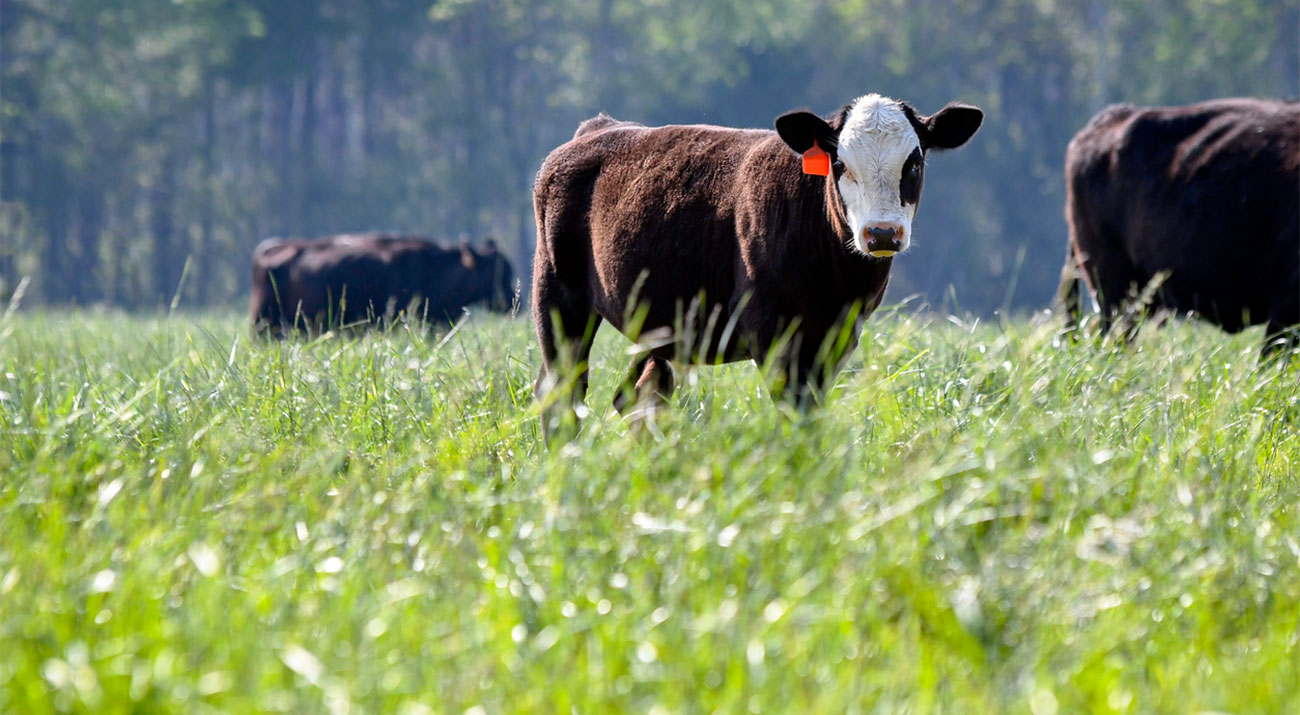
Ground beef reached a record $7.06 per pound in May, up 13% year-over-year. The New World screwworm parasite arrived in US cattle herds for the first time in roughly five decades.
The USDA confirmed six screwworm cases in the US, five in Texas and one in New Mexico, as of this week.
That outbreak landed on an industry already under pressure. The US cattle herd is at its lowest level in 75 years, per the USDA. Prolonged drought and high production costs have slowed any meaningful recovery.
Tyson Foods closed a beef facility earlier this year as herd contraction cut into processing volumes, per Yahoo Finance.
Beef and veal prices rose 12.9% year-over-year in May, down from a 14.8% rise the prior month, per the latest Consumer Price Index report.
Steak averaged $12.8 per pound in May, down 1.7% from April but still up 16% from a year earlier. Bloomberg reported that some retailers discounted beef more aggressively heading into grilling season.
The suspension of live cattle imports from Mexico removed roughly 1.2M head of feeder cattle from the annual supply chain, per CNBC. Feeder cattle futures hit record highs.
A full-blown screwworm outbreak could cost $3B across the Southwest, according to a report by the Federal Reserve Bank of Dallas.
Treatment Exists but Containment Is Lagging
Unlike avian flu, screwworm is treatable without pulling animals from the food supply, and industry officials have ruled out any mass culling scenario.
USDA Secretary Brooke Rollins told CNBC's Squawk Box the screwworm is a treatable pest, not a virus or a disease.
The durable fix is releasing sterile male flies into the wild to disrupt reproduction. Current weekly deployments of roughly 100M sterile flies fall far short of the 500M per week needed to halt the spread, per CNBC.
A new sterile fly facility under construction in Texas is projected to reach that 500M weekly capacity by 2027, per CNBC.
Barclays analysts now expect the meatpacker profit recovery to slip into fiscal year 2028, delayed from the second half of 2027, per Bloomberg.
Nearly 80% of cattle are in areas facing dryness or drought, which Bloomberg reports is the single largest near-term threat to supply. Screwworm is compounding an already constrained market.
"When supply contracts and demand stays relatively stable, prices increase," said Brandon Parsons, an economist at Pepperdine Graziadio Business School. Parsons noted that US consumers haven't meaningfully pulled back from beef purchases despite the run-up in prices.
Chicken and pork stand to benefit as more shoppers seek cheaper protein substitutes. But Parsons cautioned that strong consumer preference for beef could keep demand relatively stable up to a point.

