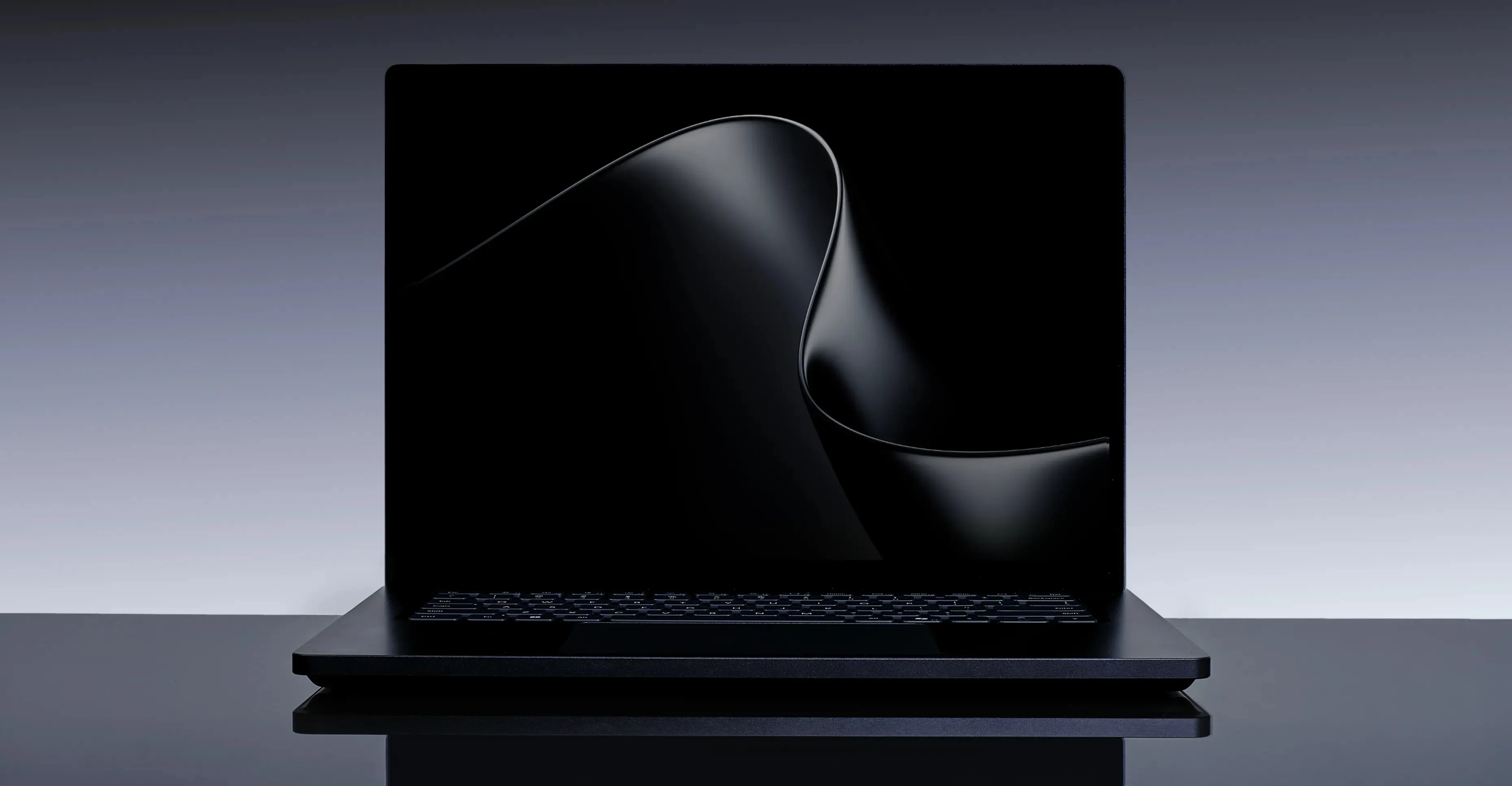
Microsoft is expected to put local AI at the center of its Oct. 7 Surface event in San Francisco, with the Surface Laptop Ultra built on Nvidia RTX Spark hardware.
Satya Nadella, Jensen Huang, and Windows chief Pavan Davuluri are all scheduled to appear.
The pitch is local AI. The machine is expected to run 120B parameter models on the device itself, cutting out the cloud round trip.
Specs include a 20-core Arm CPU, 6.1K CUDA cores, and up to 128GB of unified memory.
Nvidia says the chip delivers 1 petaflop of FP4 AI performance and can maintain that performance on battery power.
The display is a 15-inch mini-LED panel rated at 2K nits peak brightness. Windows 11 is also expected to gain new agentic capabilities and unified memory controls alongside the hardware.
Moving work off Azure
For Microsoft, the logic is cost. Some workloads that now run in costly Azure cloud data centers could shift to powerful Windows machines in offices and homes. That would turn Windows into a runtime for AI agents handling tasks like writing code.
Nvidia has been building toward the same idea on the desktop side. Its DGX Spark personal supercomputer runs models up to 100B parameters without relying on the cloud, while two units can be clustered to handle models up to 200B parameters.
A new 64GB DGX Spark configuration lands at $4.99K, with release slated for late October.
Memory prices are the catch
The economics of on-device AI run straight into a memory shortage.
Nvidia raised the price of the original 128GB DGX Spark by ~75% to $6.95K, blaming surging memory costs.
The squeeze isn't expected to ease quickly. Micron says supply remains extremely tight, with 75% of its 2027 output already committed and conditions expected to tighten further through 2028.
TrendForce expects DRAM prices to rise another 10% to 15% in Q4 2026, with PC average selling prices up 17% for the year.
Cloud providers are already downsizing memory modules to contain costs.
That backdrop helps explain the Surface Laptop Ultra's expected price. Entry-level models are projected to start well above $2K, putting the machine outside the mainstream consumer range.
The bet is that enterprises may pay more upfront for hardware if it means running more AI locally instead of sending every workload to the cloud.
Whether that math works depends partly on memory costs. Right now, they are still moving in the wrong direction.

