Meta Launches Instagram Plus Subscription to Diversify Revenue Beyond Ads
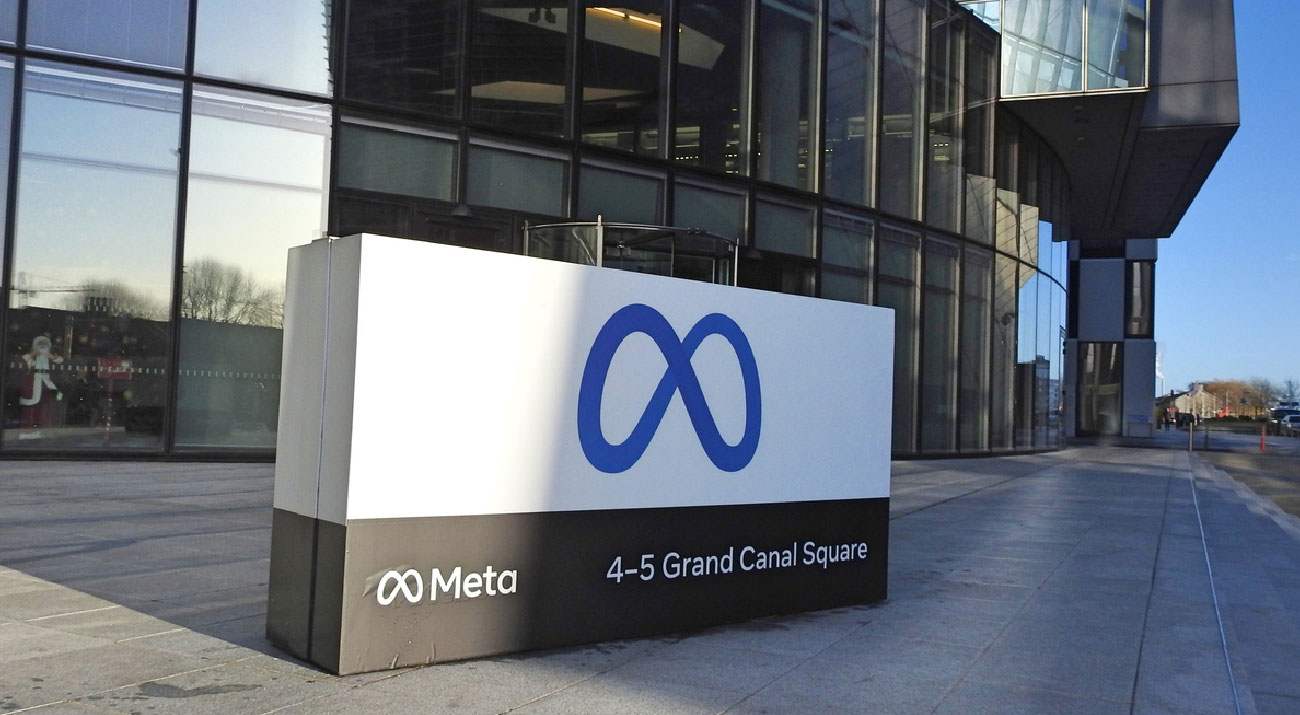
Meta launched Instagram Plus globally on June 4, charging $3.99 a month for an optional set of premium features layered on top of the free app.
The paid tier is built largely around stories. Story Extend keeps posts visible for 48 hours rather than the standard 24, and Story Spotlight prioritizes a subscriber's content higher in friends' feeds.
Subscribers can also build as many audience lists as they want, controlling exactly which group sees each story.
Analytics come with the subscription too. Story rewatch counts and a searchable viewer list give creators more visibility into how their content performs beyond a basic view count.
The customization side includes app icon choices, bio font options, and the ability to pin up to 6 posts to a profile. Paying users can also publish content without it appearing in followers' main feeds.
"The Instagram you know and love today isn't changing," the company said, describing the tier as a purely optional upgrade.
Meta said it plans to keep adding new capabilities to Instagram Plus over coming months.
Subscription Revenue Fills a Gap
Meta's core business is heavily dependent on advertising, and Instagram Plus represents a deliberate effort to build a second income stream alongside it.
The launch fits a broader pattern of cost discipline and strategic redirection. In April, Meta disclosed plans to cut roughly 8K employees, representing 10% of its total workforce, as it redirects capital toward artificial intelligence investment.
Also this week, Meta rolled out Meta Business Agent, an AI tool that operates across WhatsApp, Messenger, and Instagram. It answers customer questions and recommends products without human involvement.
A subscription launch, a workforce reduction, and an AI product rollout together reflect a company reorienting its cost structure and revenue mix at the same time.
Instagram Plus is free to ignore for most users. But at $3.99 a month, it gives Meta a recurring revenue line that doesn't rise or fall with advertiser demand.

