Iran Draft Deal Sends WTI Below $90 as Hormuz Reopening Bets Drive Oil's Sharpest Drop This Week
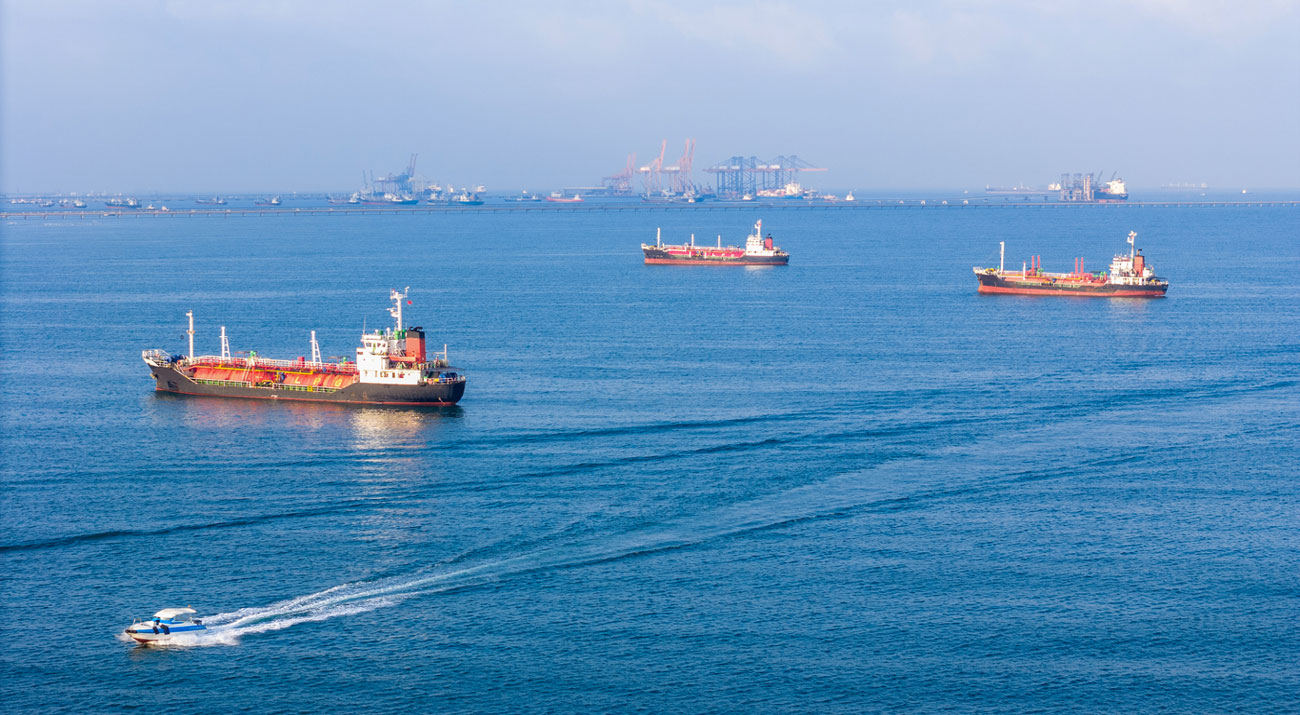
West Texas Intermediate crude fell 4.6% to $89.55 a barrel Wednesday. Iranian state TV claimed access to a draft framework memorandum of understanding with the US.
Under the reported terms, Tehran committed to restore Strait of Hormuz commercial traffic to pre-war levels within one month of a final agreement. Iran would manage ship traffic alongside Oman.
Brent crude slid 3.75% to $95.85 on the news, nearly erasing all of Tuesday's gains.
The US struck Iranian speedboats it said were laying mines in the Strait. Tehran retaliated by firing on US planes, per the Journal.
Iran then said the strikes violated a ceasefire, while Washington maintained they were defensive, per Reuters.
Still, some tankers have already begun moving through the waterway. LNG vessels transited the strait in recent days, lifting expectations that global supply could expand sooner than feared.
Deutsche Bank analysts wrote that talks appear intact despite the volatility. "However it seems talks remain on track," they said, per the Journal.
Supply Recovery Won't Be Quick
Even a finalized deal won't immediately restore normal oil flows. Sultan Ahmed Al Jaber heads Abu Dhabi National Oil Co. He said last week it'll take at least four months to ramp flows to 80% of normal levels after any ceasefire. Full normalization won't arrive until Q1 or Q2 2027, he added.
John Deal, managing director of capital markets at Post Oak Group, framed the trade as a strict binary. "If they make a deal prices are going to fall back down," he said, per the Journal.
Without one, the ceiling may not yet be in sight.
That uncertainty is showing up in the options market. Capital Economics analyst Kieran Tompkins noted that while traders expect prices to ease over the next three months, conviction is unusually low.
Markets are currently pricing a 37% chance on Brent topping $100 within three months, per the same report.
With the draft MOU still unconfirmed and military exchanges ongoing, the oil market is trading less on fundamentals and more on the next diplomatic headline.

