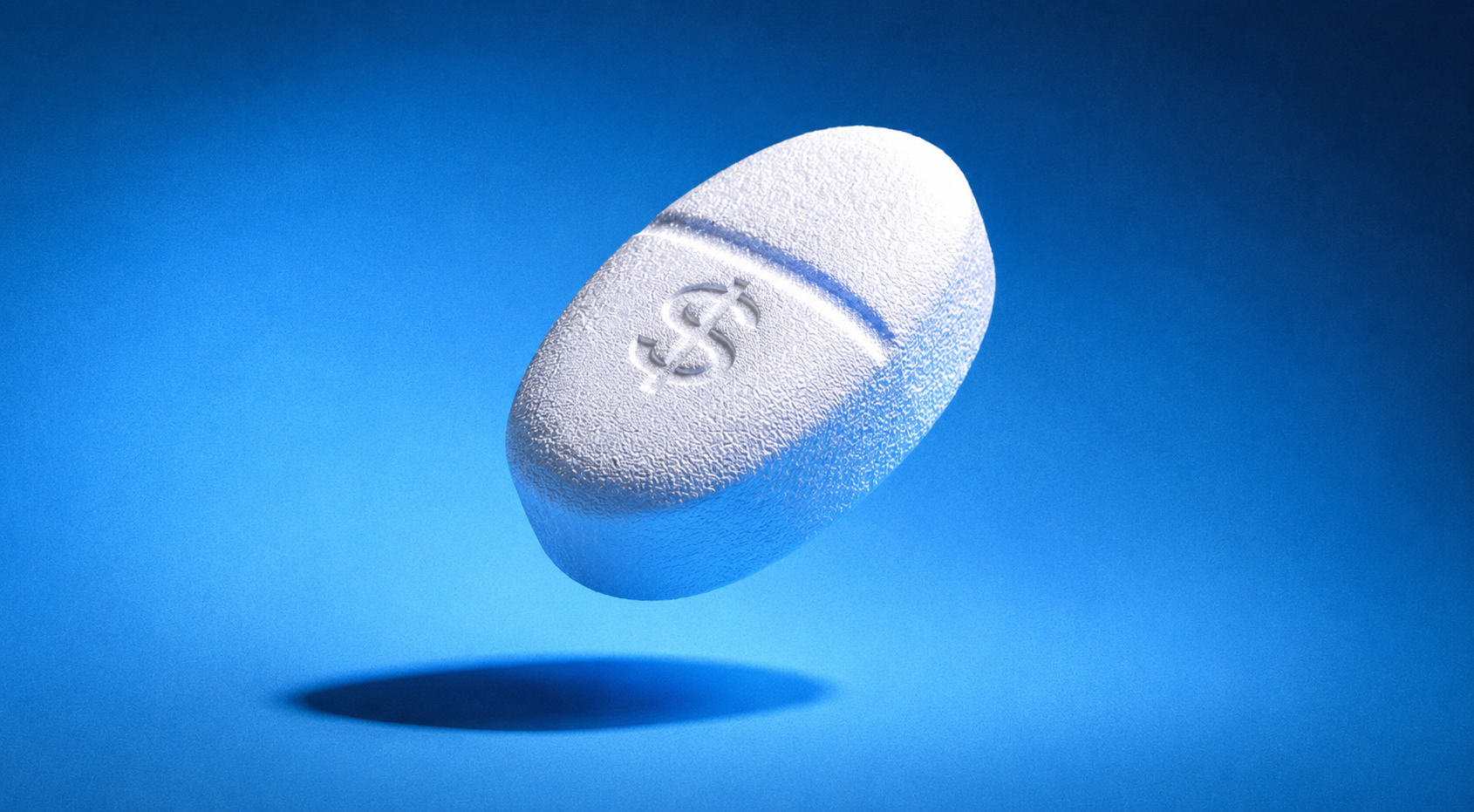
The pill that costs pennies to make could soon carry a much higher price tag. Trump is targeting the ~$500B generic medicine market with a phased tariff plan designed to bring drug manufacturing back to the US. Tariffs will remain at zero through July 2028 before increasing to 100% and then 200%.
The margin complexity: Generic drugs account for more than 90% of US prescriptions, but the industry's economics are built on razor-thin margins. Unlike branded drugmakers, generic manufacturers compete on cost and scale, leaving little room to absorb tariffs. As independent pharmaceutical consultant Salil Kallianpur put it, "A 100-200% tariff on a product with single-digit margins is a market-exit notice."
- India supplies about 50% of all generic medicines consumed in the US, with pharmaceutical exports to the US totaling $10.5B in 2024–25, making it the country's most exposed trade sector.
- Building a new pharmaceutical manufacturing plant takes 3–5 years, longer than Trump's two-year grace period, making large-scale US onshoring before the 2028 deadline unlikely.
The tariff divide
Not all generic drugmakers face the same risk. Analysts at Jefferies and Citi say companies with significant US manufacturing, including Amphastar Pharmaceuticals and ANI Pharmaceuticals are better positioned if the tariffs take effect as proposed. Their existing domestic footprint reduces the need for costly supply-chain shifts.
- Conversely, companies that manufacture a larger share of their US products overseas, including Teva, Viatris, and Apotex, face greater exposure.
- Still, Sandoz said it is too early to assess the proposal, citing uncertainty around how the tariffs will ultimately be implemented.
The deal-making endgame: The industry isn't treating Trump's proposal as the final word. The generic drug lobby's CEO described it as an opening for negotiations, much like the deals branded drugmakers struck to secure tariff exemptions. With the 200% rate not taking effect until 2029 (an election year), nalysts see political and economic pressure leaving room for a softer outcome.

