
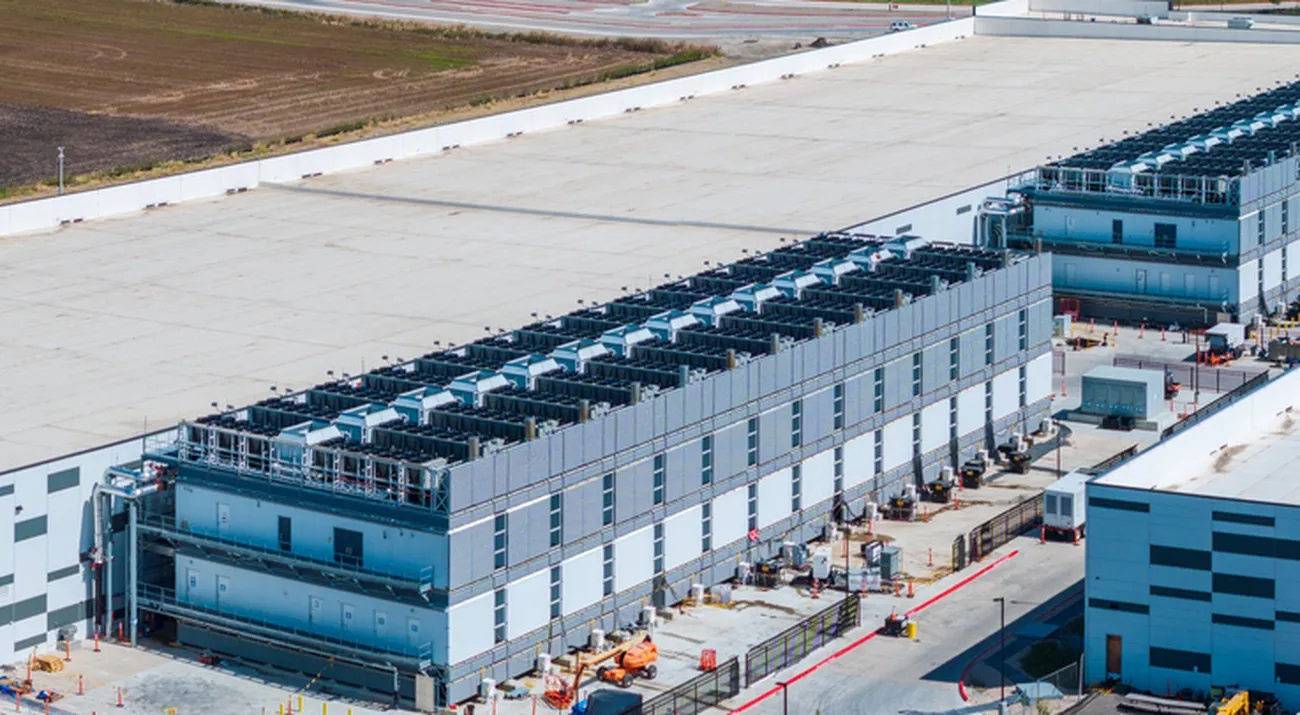
The Commerce Department moved to close the offshore data center route around its chip export controls on Nov. 16, 2026, issuing an interim final rule that reaches Indonesia, Malaysia, Singapore, Thailand and Brazil.
The Bureau of Industry and Security says the rule, titled Addressing Remote Access to Advanced Semiconductors, was written by and at the direction of the Treasury Department and the National Security Council.
The five were picked because they present a higher-than-normal risk of chips being diverted onward, according to the rule text.
Companies headquartered in the US, or whose ultimate parent is, are exempt from that destination requirement if they meet new reporting rules. Washington already required licenses for advanced chips sold to entities headquartered in China or Macau, including their overseas subsidiaries.
The New Chip License Rule Lands Mostly on Southeast Asia
Countries newly requiring US export licenses for advanced chips, as of Nov. 16, 2026
Bar chart. Number of Countries. Southeast Asia: Number of Countries 4. South America: Number of Countries 1.
Source: Bureau of Industry and Security, Nov 16, 2026
The remote access path is the main target
The bigger change is a new end-use control on data centers anywhere in the world.
A license is now required when a data center, or a group of digitally linked ones, provides more than 12M aggregate TPP of computing power to companies headquartered in China, Macau, or other restricted destinations.
Total Processing Performance, or TPP, is the government's yardstick for how much compute a chip delivers.
Until now, Chinese firms blocked from buying advanced chips could rent time on them at overseas facilities instead.
Operators serving those customers get 90 days from the rule's effective date to obtain a license or stop.
Data centers, foreign foundries, and chip exporters must now run detailed checks on who owns and controls their customers, including indirectly.
Commercial recommender systems, the ranking tools behind online retail and social feeds, are carved out as a lower risk.
The rule also formally rescinds the Biden-era AI Diffusion Rule, which was published in January 2025 and never enforced.
Its country tiers, model weight controls, and data center authorizations disappear with it.
Southeast Asia absorbs most of the impact
US tech companies have poured billions of dollars into the region's AI data center buildout, and operators headquartered in the US should qualify for that carve-out, though the remote access limits still apply.
Malaysia has a lot riding on the outcome: it wants to become a data center hub, and Kurlantzick said Prime Minister Anwar Ibrahim sees a hub for Chinese companies as its biggest potential future industry.
"For Malaysia, the controls could be disastrous."
Joshua Kurlantzick, Council on Foreign Relations
The rule arrives days after the resignation of Nvidia chief executive Jensen Huang, following reports of an affair with a former executive at Megaspeed. The Singapore firm is suspected of routing controlled chips to China and denies sending them there.
Singapore and Malaysia have already made public moves against chip smuggling, and Commerce says it will monitor countries that tolerate evasion, with import restrictions and Entity List designations among the consequences.
Congress is weighing four bills that would lock controls into law, including the Remote Access Security Act, which the House passed in January. Comments are due 60 days after Federal Register publication.

