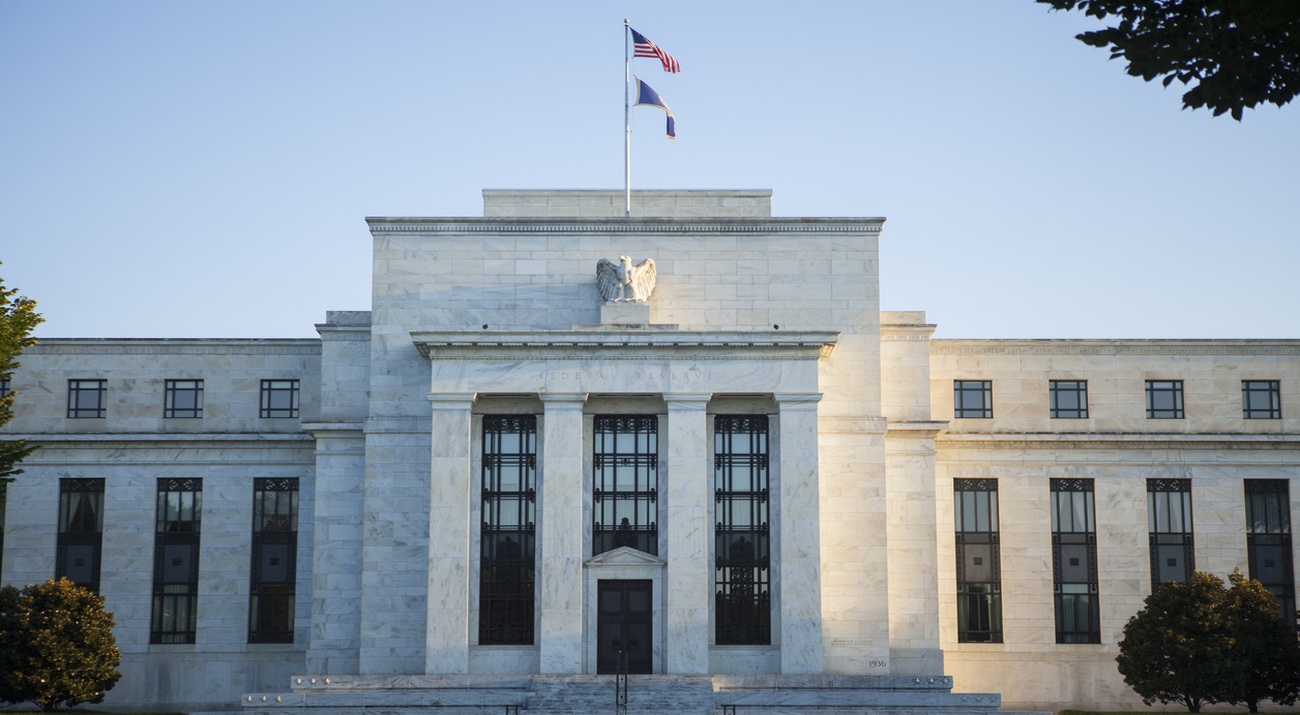
The Federal Reserve voted 9-3 to hold its benchmark interest rate at 3.5% to 3.75% on July 29, marking the seventh consecutive meeting without a change.
The three dissenters were Cleveland Fed President Beth Hammack, Minneapolis Fed President Neel Kashkari, and Dallas Fed President Lorie Logan, each preferring a quarter-point hike. It was the first three-way dissent in the same direction since 2016.
Inflation has exceeded the Fed's 2% target for more than five years. The Iran war has disrupted oil supplies through the Strait of Hormuz, driving energy prices $10 to $15 per barrel higher than a year ago.
The dissents are a warning signal
Core CPI, which strips out food and energy, cooled to 2.6% in June from 2.9% the prior month. Fed officials warned that one good month isn't enough, especially as oil prices have rebounded with fresh Middle East fighting.
Logan said earlier this month that inflation "has been too high for too long" and called for "modestly higher" rates. Hammack added that businesses are telling her the Fed needs to act.
"The dissents send a clear message: The Fed is not yet convinced the inflation battle has been won," said Seema Shah, chief global strategist at Principal Asset Management.
Fed Chair Kevin Warsh, appointed by President Trump and leading only his second press conference, pushed back on characterizing the decision as a pause.
"There is no soft inflation target. There is no soft implicit target, not on this committee's watch. There's only a target, and it's 2%."
Kevin Warsh, Federal Reserve
Warsh repeatedly stressed that financial conditions have tightened, which he said gave the Fed "some comfort" in its ability to deliver price stability.
He declined to commit to rate hikes as the specific mechanism, saying higher rates "could well be part of that solution, but I wouldn't say it's in isolation."
What the bond market is saying
The 30-year Treasury yield climbed close to its May peak of 5.2% after the decision, a sign that some investors are skeptical Warsh will move quickly enough to contain inflation.
Traders now see roughly a 59% probability of a rate hike at the September meeting, according to CME FedWatch data. Markets price a 90% probability of at least one quarter-point increase before January.
Adding pressure, Trump signaled more US military strikes on Iran are coming, suggesting the geopolitical risk driving energy prices isn't easing soon.
Credit card rates remain near 20%, while mortgage rates are hovering around their highest level since last August. For investors, higher borrowing costs are becoming the new reality as rate cuts fade and hike odds climb.

