Rising Oil Prices and Debt Pressures Mount Ahead of Fed Rate Hike
The Federal Reserve is heading toward its first rate hike in more than three years as stubborn inflation and rising energy costs squeeze the US economy.
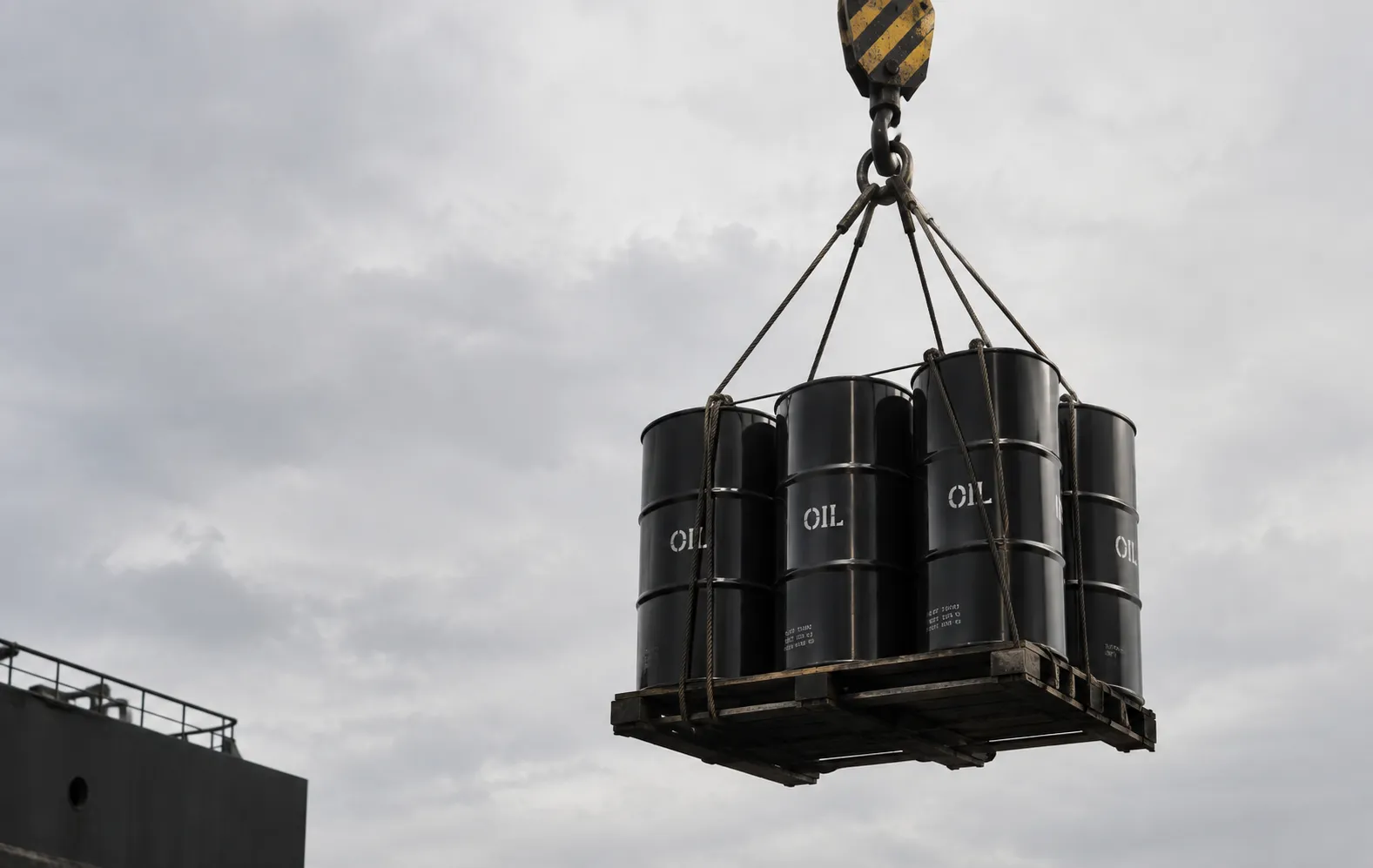
Oil is adding to the pressure. Brent crude reached $108.45 Monday, while US diesel hit a record $6.23 a gallon. Goldman Sachs Group has warned crude could break $120 if Middle East hostilities continue.
The backdrop gets tougher with the national debt above $40T. Rising yields make that mountain of borrowing more expensive to service just as the Fed prepares to tighten again.
The federal government has already crossed an uncomfortable line. Interest payments now cost more than either national defense or Medicare, making another round of higher rates expensive well beyond Wall Street.
Borrowers feel it fast
A quarter-point Fed hike would feed quickly into the prime rate, raising borrowing costs on credit cards and home equity lines tied to rates.
Credit card rates are already above 20%, and Moody’s chief economist Mark Zandi expects another hike to push them to record highs. Existing auto loans would remain fixed, but financing a new car would become more expensive.
Adjustable-rate mortgages and home equity lines would also feel the increase more directly than traditional fixed-rate mortgages. Savers sit on the other side of the trade, with deposit yields typically moving higher alongside Fed rates.
“There is no shortage of worries for investors.”
Ed Yardeni, Yardeni Research
The Fed enters a pressure cooker
The rate decision also comes with pressure from Washington. President Donald Trump has called for lower rates, while Fed Chair Kevin Warsh faces the task of maintaining the central bank’s inflation credibility before the midterms.
Expectations for a hike have climbed sharply after August inflation held at 3.4%. Warsh has also signaled greater concern about price growth, putting inflation back at the center of the Fed’s decision.
The unease extends beyond monetary policy. UBS Group CEO Sergio Ermotti said markets have grown complacent despite mounting risks, with clients increasingly spreading investments rather than concentrating their bets.
For households, the squeeze is becoming harder to dodge. Fuel, borrowing, and debt-servicing costs can all climb together, leaving the Fed with little room to tighten without somebody feeling it.