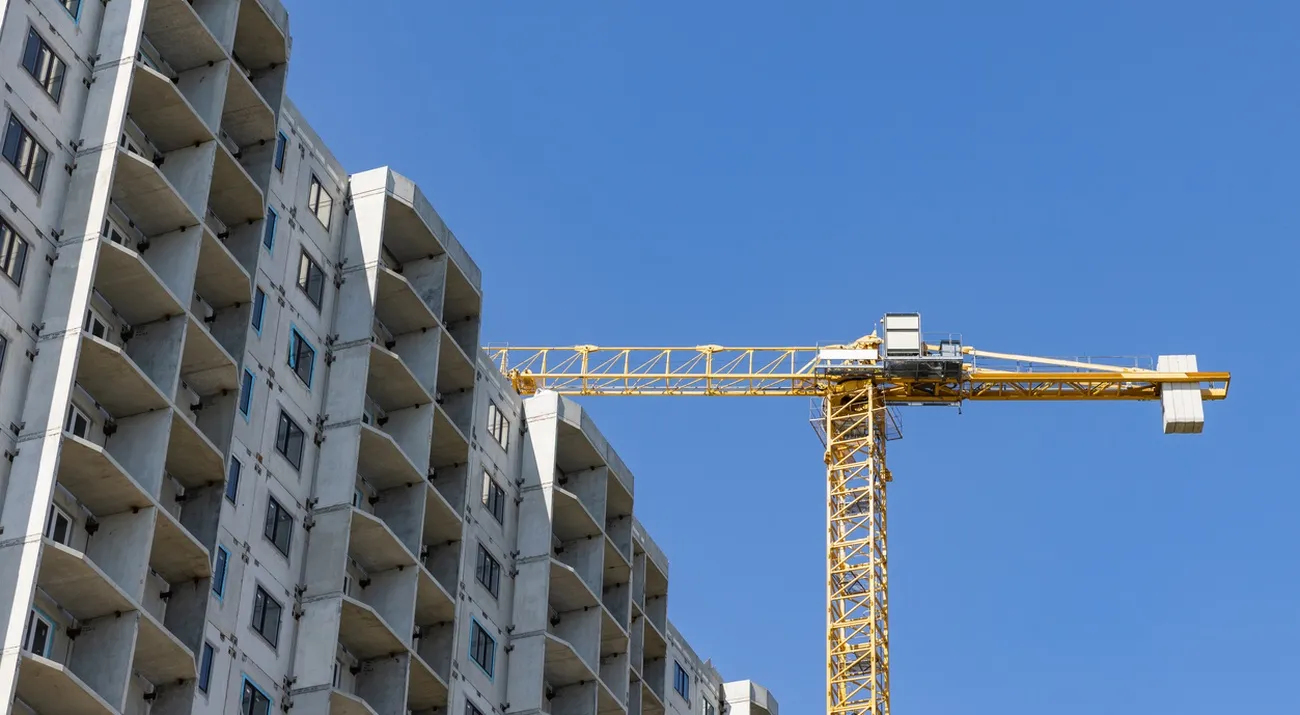
Airbnb committed an initial $250M to help finance housing projects that have stalled before construction.
The short-term rental company will provide below-market gap financing through a new Housing Accelerator, with priority for affordable and mixed-income rental developments.
The first investment sends $6.4M to Austin’s St. John redevelopment, supporting 201 affordable units in a larger public-private project.
Those homes are part of a site that will include more than 500 homes, retail, a park, and public art. Residents in the affordable units won’t be allowed to list them as short-term rentals.
Airbnb is targeting the funding gap it says blocks supply
Airbnb says its capital will focus on projects that have cleared most regulatory hurdles but still lack final financing.
Research commissioned by the company estimates that 750K US housing units are in that position.
The company expects the initial investment to unlock more than $5B in housing capital over the next 10 years. Developers, nonprofits, and community groups can submit projects for review through the accelerator website.
The fund will primarily focus on the US, though Airbnb hasn’t ruled out other markets.
"The housing crisis wasn't created overnight."
Brian Chesky, Airbnb
The move lands while Airbnb faces pressure from cities that argue short-term rentals reduce long-term housing supply. Chesky told The Wall Street Journal that Airbnb has lived in the crosshairs of housing affordability debates.
He also said bans on Airbnb haven’t caused home prices to fall in cities that adopted them. Airbnb reported $2.5B in net income on $12.2B in revenue last year.
Policy fights are part of the plan
The accelerator goes beyond writing checks. Airbnb will also push for zoning, permitting, and building-code changes in local communities covering roughly 100M Americans.
Initial partners include Citizens’ Housing and Planning Association, Florida Housing Coalition, AURA, and Housing Action Coalition. Airbnb also plans an annual City Index measuring new supply, affordability, and the local rules shaping construction.
Another $5M will fund a Housing Innovation Prize, with five $1M grants for ideas that can make building faster or cheaper. The focus ranges from offsite construction to job-site productivity and tools that streamline permitting and design.
The push comes as Airbnb faces tighter short-term rental rules abroad, including a European proposal that would give governments more flexibility to restrict rentals.
For builders, the real test is whether Airbnb can get capital into projects that are nearly ready to break ground. The program is designed to tackle the financing gaps and local barriers keeping projects stalled.
Airbnb has spent years arguing that housing needs more supply. Now it is putting money behind the case.