
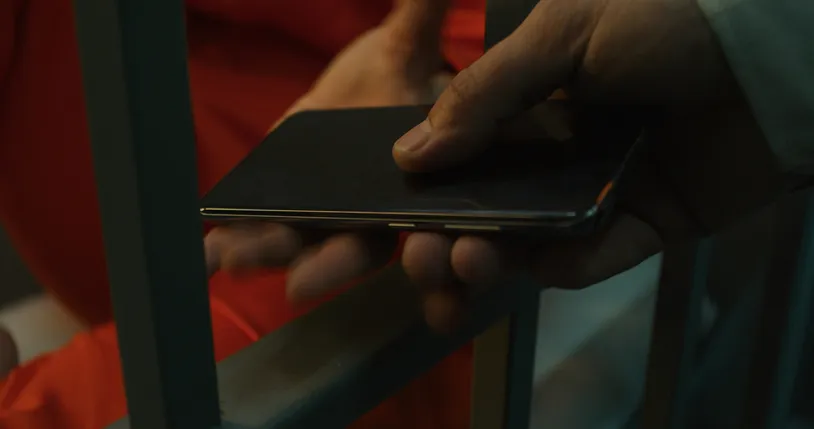
The Federal Communications Commission voted Nov. 19 to let state prisons and local jails jam the signals of smuggled cellphones, a first for non-federal facilities. Federal prisons have been allowed to jam for years, while state and local facilities couldn't, because of a nearly century-old communications law.
The affirmative vote repealed a 1934 rule that kept non-federal correctional entities from blocking telecommunication signals, with lobbying by the communications industry a main factor in keeping it in place.
The scale of the contraband problem
A 2024 study found prison authorities recovered more than 25K cellphones in one year alone, with two participating facilities reporting more than 6K each. Phones arrive inside hollowed-out footballs, through corrupt employees, and by drone drops over fencing.
Inmates pay between $5K and $8K for a phone depending on the device, according to South Carolina Corrections Director Joel Anderson.
The figure behind the push for change was even smaller, since one man was promised $6K to kill South Carolina corrections Capt. Robert Johnson, who was shot six times at his Sumter home in March 2010 after inmates ordered a hit using illicit cellphones. Johnson has spent years since testifying and lobbying for jamming authority.
"No one should have to go through what I went through."
Robert Johnson, retired South Carolina corrections officer
How the rules will work
Jamming is optional, and facilities must apply to the FCC for authorization before switching anything on. Applicants need an experimental license and testing to prove the system doesn't cause harmful interference outside a Commission-authorized jamming containment area.
Post-license testing at the facility is required before operations begin. Nearby communities get advance notice of on-site testing and of deployment.
FCC Chairman Brendan Carr said during the open commission meeting that jamming on its own won’t be a silver bullet. South Carolina plans to apply immediately and roll out one prison at a time, starting with the Broad River Road complex in Columbia.
Over the past two years, state legislators spent $18.5M on technology that tracks cellphones in prisons, hardware officials believe can be repurposed to jam.
Inmate advocates oppose the change, arguing high rates for official prison phones push inmates toward contraband devices to reach family. Telecom companies have warned for years that jammers risk disrupting legitimate service nearby.
Carr said opposition from industry has receded substantially as targeted technology improved. A separate FCC notice now seeks comment on closing loopholes that may allow contraband phones to keep operating. States can start applying once the rule hits the Federal Register, a process that takes several days to several weeks.

