
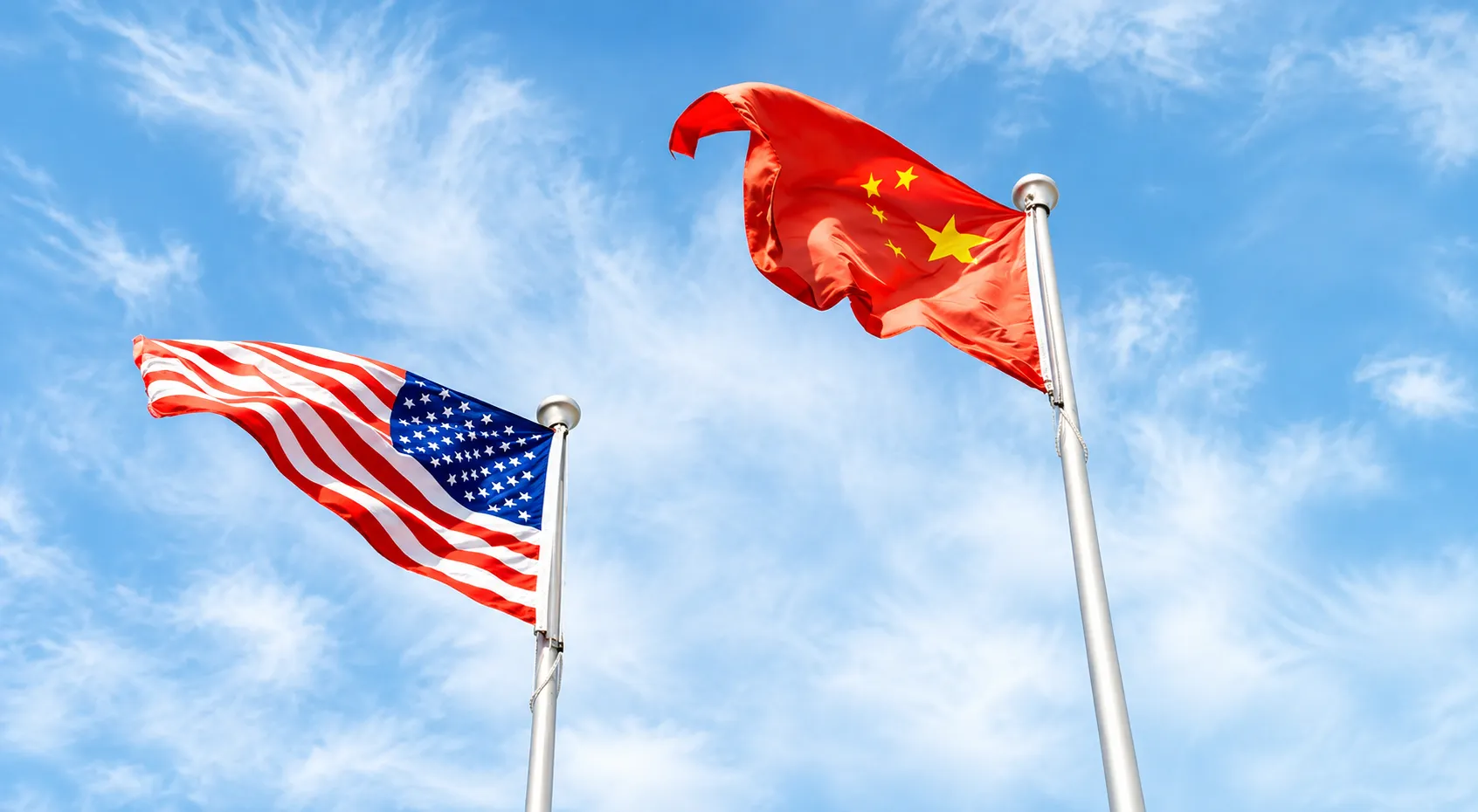
China extended its suspension of an additional 24% tariff on US imports for two months, starting at 1:01 p.m. local time Tuesday. A 10% blanket levy on US goods stays in place.
The State Council's tariff commission said the move carries out what Xi Jinping and Donald Trump agreed in Washington in September.
The truce was due to lapse Tuesday, one year after the two leaders first paused retaliatory measures.
Beijing paired the tariff rollover with a longer list of extensions. Export-control waivers for certain critical minerals and related technologies now run until January 10, 2027, covering rare earths, synthetic diamonds, and battery inputs like lithium and graphite.
Suspended measures against 11 US firms on China's unreliable entities list and 16 on its export control list hold to the same date, as does the pause on special port fees for US-linked vessels and a probe into shipbuilding supply chain security.
China also extended by two months the suspension of sanctions on five US units of Hanwha Ocean ($042660.KS), including Hanwha Philly Shipyard in Philadelphia, punished for cooperating with a US Trade Representative investigation.
Bar chart. Number of firms or units. Unreliable entities list: Count 11. Export control list: Count 16. Hanwha Ocean US units: Count 5.
Washington matched the move
The US Trade Representative extended 178 tariff exclusions on Chinese products until January 9, made up of 164 existing exclusions and 14 covering solar manufacturing equipment.
The office also paused its Section 301 countermeasures aimed at China's shipping, logistics, and shipbuilding industries through the same date.
For US importers, the practical effect is another two months of known costs on components, machinery, and consumer goods out of China.
For exporters, especially farmers, the bigger prize stays unsigned. The two sides floated a $60B package of reciprocal tariff cuts after September's summit, including roughly $17B of US farm goods China bought in 2024, and it hasn't been finalized.
Shenzhen is the next checkpoint
Trump and Xi are expected to meet on the sidelines of the Asia-Pacific Economic Cooperation summit on Nov. 18 and 19 in Shenzhen, their third meeting this year.
Economists expect no major trade breakthrough there, and Citi's team argued the status quo should hold even after the US midterms.
Beijing left itself an exit. The tariff commission said it's watching Washington's plan to swap tariffs issued under the International Emergency Economic Powers Act, which courts have invalidated, for Section 301 tariffs, and will adjust countermeasures as needed.
The domestic backdrop explains part of Beijing's caution. Consumer prices rose 0.7% from a year earlier in the latest reading, leaving external demand doing heavy lifting.
Trade-sensitive sectors get a two-month runway on costs, with soybeans, shipbuilding, and rare earth supply chains the places where the next decision lands hardest.

