Campbell's Posts Quarterly Sales Miss as Snacks Slump and Inflation Squeeze Margins
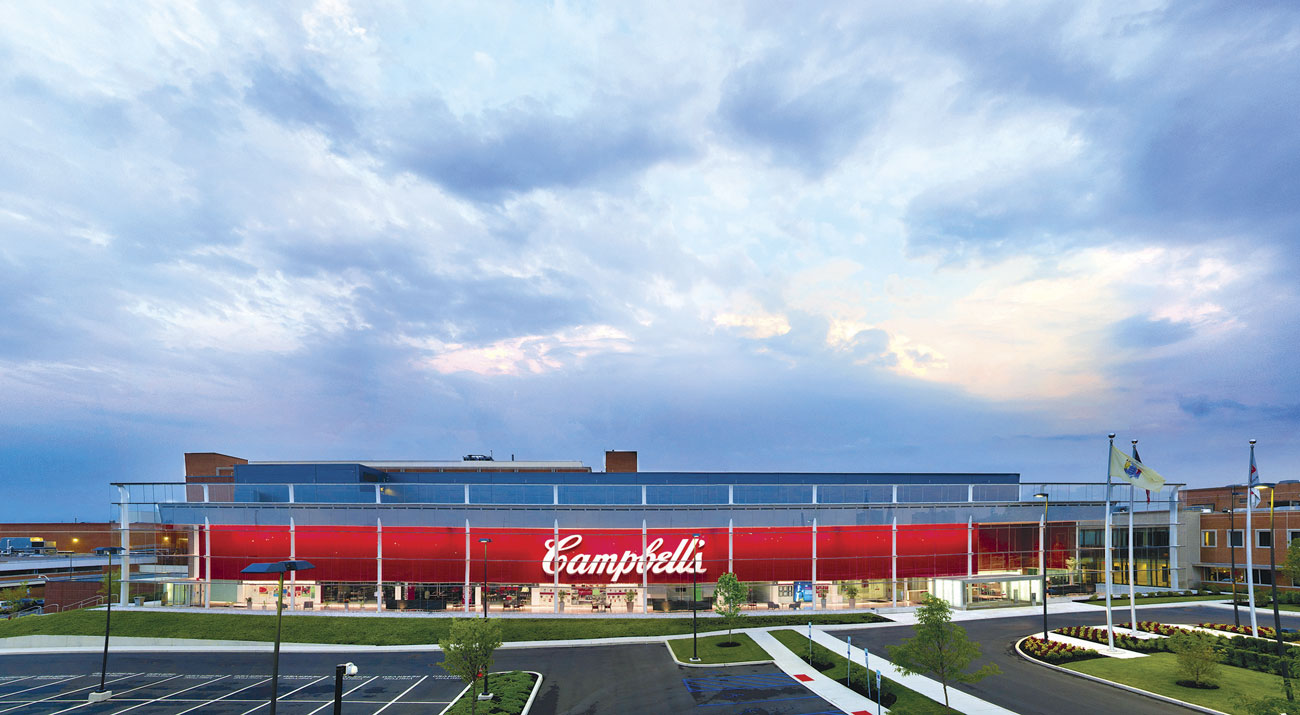
The Campbell's Company reported fiscal third-quarter adjusted earnings of 50 cents per share, beating analyst estimates of 48 cents.
The adjusted gross profit margin contracted to 27.7%, reflecting cost inflation, tariff-related supply chain costs, and weak volumes, per the earnings release.
Both the Meals & Beverages and Snacks segments posted organic sales declines of 4%, driven primarily by lower volume and unfavorable product mix.
The Snacks division absorbed the deeper damage, with segment operating earnings down 32% as salty products, crackers, and fresh bakery all pulled back.
US soup sales fell 8%, hurt largely by condensed and ready-to-serve varieties within the Meals & Beverages unit.
Campbell's has reached $200M in cumulative cost savings toward its fiscal 2028 target of $375M. The company delivered roughly $20M in savings in the quarter alone.
Macro Pressure Building
Beyond soft consumer demand, lower-income shoppers are shifting to private-label brands, squeezed further by higher gasoline prices tied to the Middle East conflict.
The rise of GLP-1 weight-loss drugs is adding a structural headwind on top of cyclical spending pullbacks, weighing on branded food volumes broadly.
Campbell's expects tariff refunds of 3 to 4 cents per share in the fourth quarter to help offset some of those conflict-related cost pressures.
Oil near $100 per barrel could push fiscal 2027 inflation 2% to 3% above normal levels, the company said.
Cost savings and potential price increases were cited as the primary response levers.
CEO Mick Beekhuizen called salty snacks the company's biggest near-term opportunity, with plans to prioritize core brands, adjust pack sizes, and narrow the product lineup.
Beekhuizen said the company is focused on simplifying operations and accelerating productivity and cost savings.
Campbell's reaffirmed full-year guidance for organic net sales to decline 1% to 2%, with adjusted EPS in the range of $2.15 to $2.25.
"The lower end... is probably a more realistic assumption at this point," CFO Todd Cunfer told analysts.
The company is also set to exit the S&P 500 this month, a notable milestone for a 155-year-old brand.
The stock was down 22% year-to-date and 37% over the prior 12 months heading into the report.
Shares rose 3.3% in premarket trading after earnings.
"The road ahead likely remains long and tough," RBC Capital Markets analyst Nik Modi said, with no clear catalyst outside more consistent execution.
The average analyst 12-month price target sits at $20, slightly below its recent trading price around $21.60.

