Big Pharma's Patent Cliff Is Powering Biotech's Biggest Rally in Years
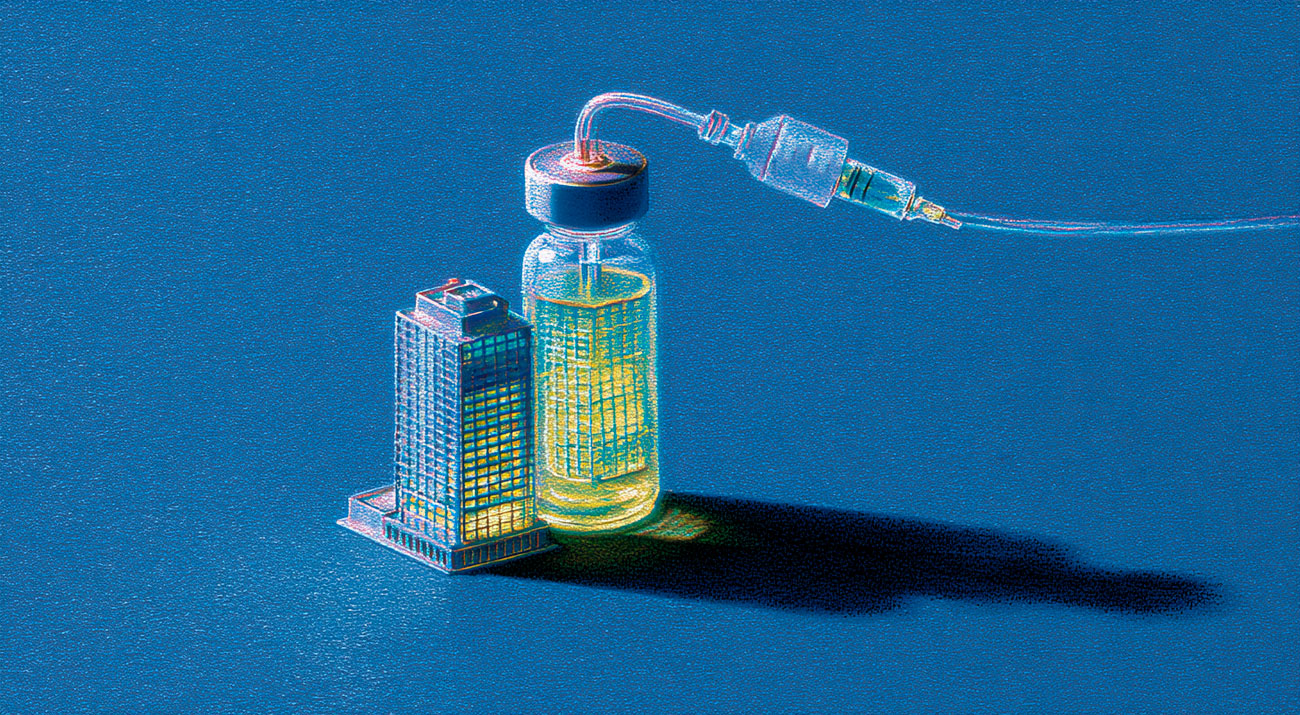
Biotech has silently become the trade of 2026. While AI grabbed the headlines at the start of the year, a surge of drug deals and standout IPO returns has pulled serious money into pharma and biotech instead.
IPO momentum grows
US biotech and pharma IPOs have produced a weighted average return of 55% this year. The broader US IPO market, excluding blank-check vehicles, is down 4.4% on the same basis.
The 10 companies behind 2026's biggest deals have slumped a weighted average of 6.3%, as concern grows that the AI rally is overextended.
Proceeds from biotech IPOs have topped $5B this year, three times last year's total. Veradermics, a pattern hair-loss drug company, is up more than 500% since its February debut, while Hemab Therapeutics Holdings has more than doubled since its IPO in May.
At least six more biotechs have already filed for IPOs this month, led by CRISPR-based genetic medicines developer Scribe Therapeutics. Bankers describe it as the healthiest biotech IPO market in years.
"Right now, you have some of the largest fund families in the world that are reallocating and pushing more capital into healthcare..."
Seth Rubin, Stifel Financial Corp.
Patent cliffs are forcing Big Pharma's hand
The deal activity driving this boom has a clear cause. Large drugmakers face what the industry calls a patent cliff, the point at which exclusivity on a key drug expires and cheaper generic versions enter the market.
Keytruda, the world's best-selling drug, generated $31.7B in sales last year for Merck, nearly half its total revenue. It loses patent protection in 2028.
The number of biotechs acquired for at least $1B this year has reached 37, already surpassing last year's annual record of 35. Total biotech deal value has hit $216B, up from $118B over the same period last year
AbbVie paid $10.9B for Apogee Therapeutics, whose atopic dermatitis treatment is in late-stage trials. GSK paid $10.6B for oncology biotech Nuvalent.
Vertex Pharmaceuticals bought Crinetics Pharmaceuticals. Eli Lilly agreed to pay up to $3.8B for AtaiBeckley, a psychedelic drug developer.
Those acquisitions have put cash back into investors' hands, and that cash is flowing straight into new IPOs.
AI in drug labs still needs years to prove itself
AI is already inside the drug discovery process. At Roche's Genentech, researchers have built what they call a lab in the loop. This is a case where AI predicts promising targets, scientists test them, and results feed back into the models.
Goldman Sachs estimates the present value of AI's benefits to drug development could reach $400B over the next decade.
But Wall Street isn't repricing drugmakers for it yet. Only about one in 10 drug candidates that enter human trials reaches the market. AI is making labs more productive without yet changing how many successful drugs emerge per research dollar.
Eric Kauderer-Abrams, who leads life sciences at Anthropic, says the industry is only in the second inning. Investors have little reason to reward drugmakers the way they've rewarded AI tool builders until that output metric shifts.
How to size exposure to this trade
For investors who want in, the risk profile varies sharply by company type. A single failed trial can wipe out most of a small biotech's value in one session.
Viking Therapeutics has gained over 500% in five years as its obesity drug advanced into final-stage testing. Skye Bioscience has lost roughly 99% over the same stretch after its competing drug missed its main trial goal.
ETFs spread that binary risk across many names. The SPDR S&P Biotech ETF gives smaller companies more influence and is up roughly 25% this year. The iShares Biotechnology ETF leans toward established names and has returned roughly half that.
Biotech ETFs have attracted nearly $2B in new money in 2026. Rate risk remains a watch item as rising rates have hurt biotech valuations before, though the sector has so far traded independently of that pressure.

