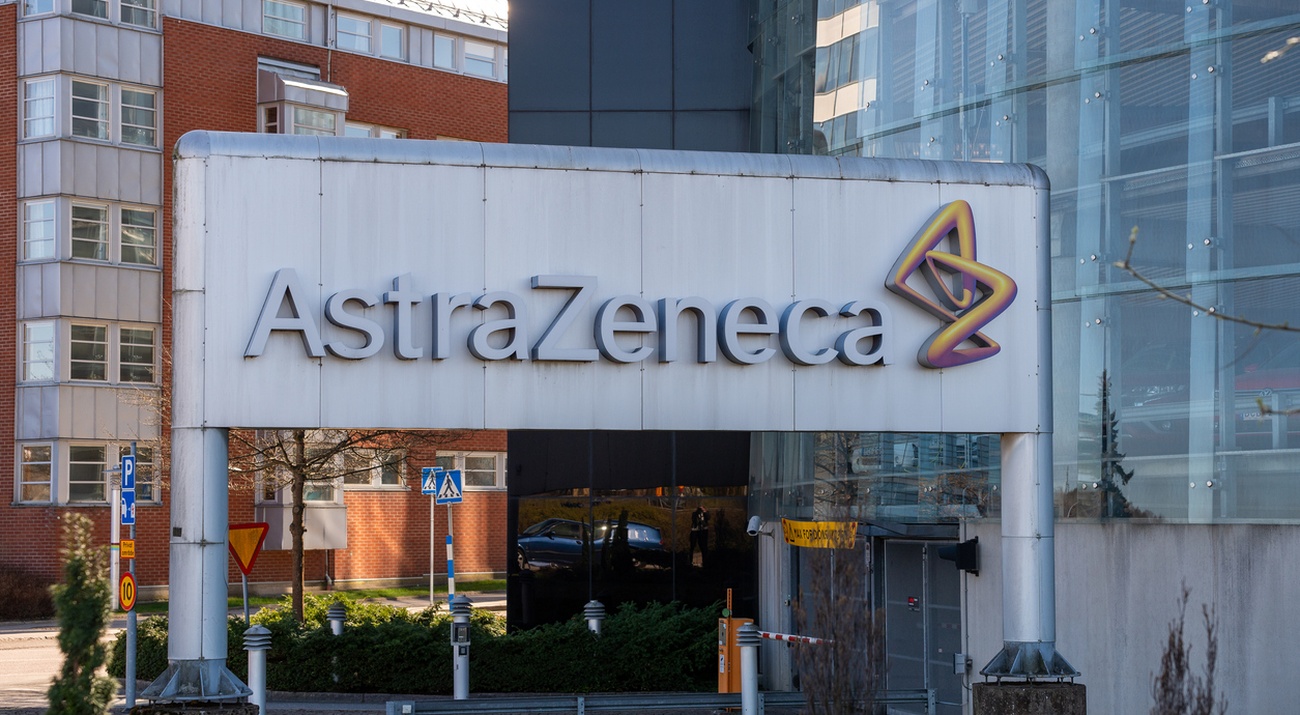
AstraZeneca shares saw their biggest single-day drop since 2020 on Monday, after reports emerged that the UK drugmaker has been in merger talks with US rival Bristol Myers Squibb.
A person familiar with the matter confirmed to Reuters that the two companies had held discussions. A combined entity would be valued at roughly $400B, making it the world's fourth-largest drugmaker by market cap and the largest by revenue.
For AstraZeneca, the appeal is largely about the US. The company already earns nearly half of its revenues from the US market and has set an ambitious target of $80B in annual revenue by 2030, up from $58.7B last year.
Bristol Myers derives the majority of its revenue from the US and has one of the largest commercial footprints there. AstraZeneca completed a direct US listing earlier this year and has invested tens of billions in US manufacturing since President Trump returned to office.
What shareholders are pushing back on
The market's reaction reflected deep skepticism about whether AstraZeneca needs this deal at all. CEO Pascal Soriot said just last week that the company did not need M&A to deliver on its 2030 revenue target.
Analysts at UBS questioned the strategic logic, noting that mega-deals in pharma have historically caused R&D productivity to stagnate. Barclays analysts flagged that Bristol Myers' two biggest revenue drivers — cancer drug Opdivo and blood thinner Eliquis — face patent expirations starting in 2028, handing that revenue to generic and biosimilar competitors.
"If the merger rumours prove to be true, this would represent the pharmaceutical industry's equivalent of the FIFA privatisation moment."
Markus Manns, Union Investment
AstraZeneca's pipeline is widely seen as stronger than Bristol Myers', with less near-term patent pressure. One anonymous portfolio manager at a top-20 AstraZeneca shareholder asked directly why the company would dilute that advantage.
Antitrust risk adds another layer of complexity. Both companies sell cancer immunotherapy drugs that compete directly: AstraZeneca's Imfinzi and Bristol Myers' Opdivo both treat non-small cell lung cancer, which analysts say could attract regulatory scrutiny.
The deal structure has not been determined but would likely require both cash and shares. Any cross-border combination would also face political scrutiny in the UK, where AstraZeneca is the second-most valuable listed company, over concerns the deal could be used to redomicile to the US.

